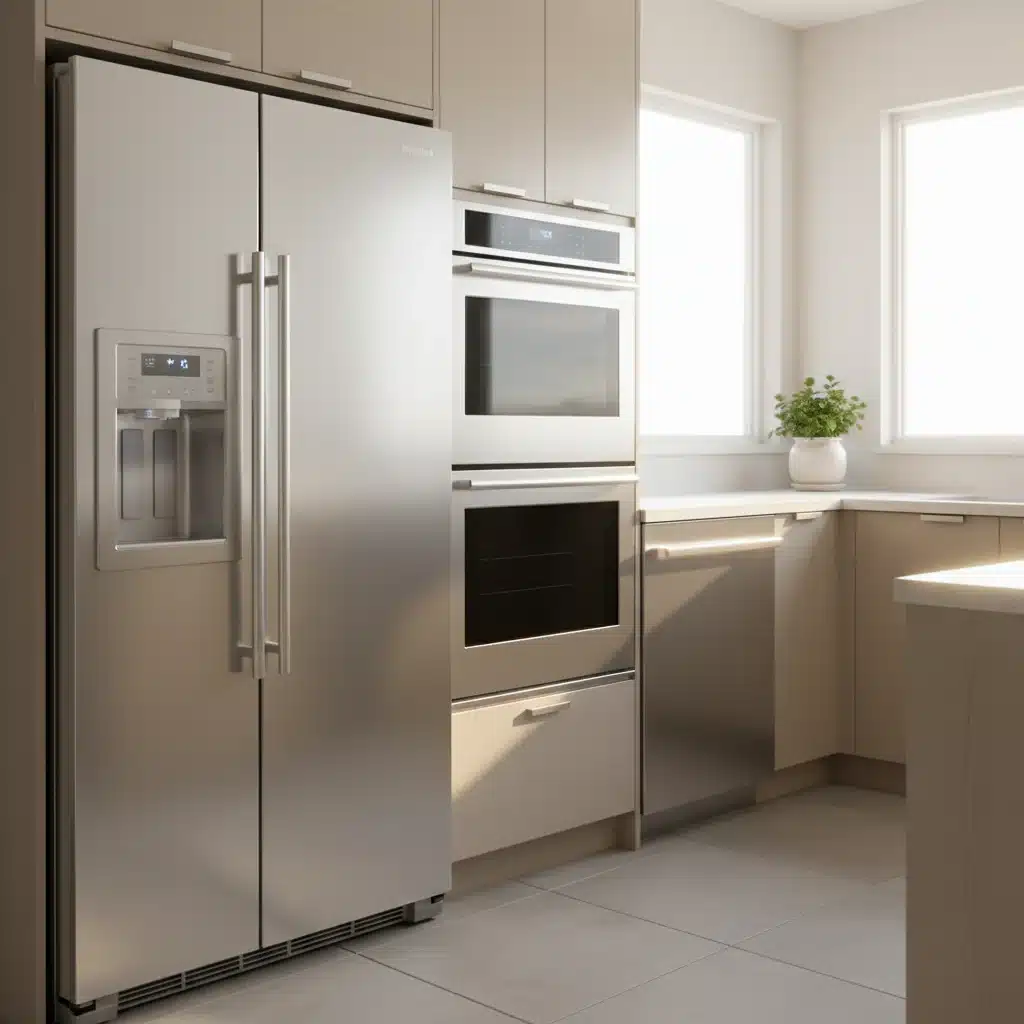
Master Appliance Longevity: Extend Life by Years with Expert Tips
In today’s fast-paced world, our homes rely heavily on a myriad of appliances to keep things running smoothly. From the refrigerator that preserves our food to the washing machine that cleans our clothes, these machines are indispensable. However, the lifespan of these essential household helpers often feels shorter than we’d like, leading to costly replacements and unnecessary waste. But what if there was a way to significantly extend the life of your appliances, potentially adding 2-3 extra years to their service? The good news is, there is! This comprehensive guide will delve into insider tips and expert strategies to boost your appliance longevity tips, saving you money, reducing your environmental footprint, and ensuring your home runs efficiently for years to come.
Anúncios
The average lifespan of a major appliance can vary widely, but with proper care and attention, you can often push these limits. We’re not talking about complex engineering feats; rather, simple, consistent habits and a little bit of knowledge can make a world of difference. Think of it as preventative medicine for your appliances. Just as a healthy lifestyle can extend human life, diligent maintenance can prolong the operational life of your home machines.
Understanding the Enemies of Appliance Longevity
Before we dive into specific appliance longevity tips, it’s crucial to understand what typically shortens an appliance’s life. Knowledge is power, and knowing the culprits can help you avoid common pitfalls:
Anúncios
- Lack of Regular Cleaning: Dirt, dust, grime, and food particles can accumulate in crucial components, leading to overheating, blockages, and inefficient operation. This is a primary factor in premature wear and tear.
- Overuse and Misuse: Pushing an appliance beyond its recommended capacity or using it for purposes it wasn’t designed for can quickly lead to breakdowns. Overloading a washing machine or dishwasher, for instance, stresses the motor and internal mechanisms.
- Ignoring Minor Issues: A strange noise, a slight leak, or a change in performance often signals a small problem that, if left unaddressed, can escalate into a major, costly repair or complete failure.
- Poor Installation: Incorrect installation can cause appliances to work harder than necessary, leading to premature failure. This includes improper leveling, inadequate ventilation, or incorrect electrical connections.
- Hard Water: Mineral deposits from hard water can build up in appliances that use water, such as dishwashers, washing machines, and coffee makers, causing blockages and reducing efficiency.
- Power Surges: Sudden spikes in electrical voltage can damage sensitive electronic components within modern appliances.
By understanding these common threats, you’re already one step closer to implementing effective appliance longevity tips. Now, let’s explore actionable strategies for each major appliance.
Refrigerator & Freezer: Keeping Your Cool for Longer
Your refrigerator and freezer work tirelessly 24/7. They are often the most taken-for-granted appliances, yet they are crucial for food safety and daily convenience. Extending their life means ensuring they can maintain optimal temperatures efficiently.
Clean the Condenser Coils Regularly
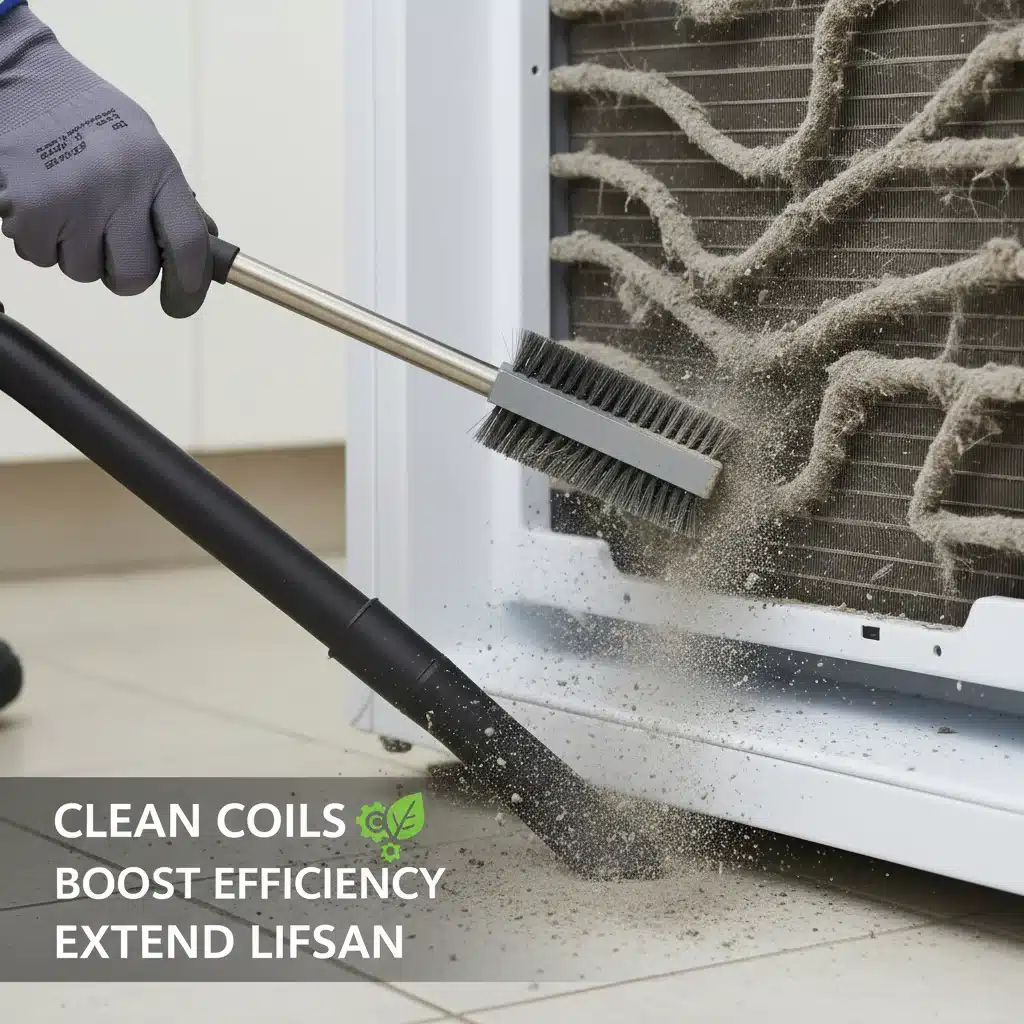
This is perhaps the most critical maintenance task for your refrigerator. The condenser coils dissipate heat from the refrigerant. When they are covered in dust and pet hair, the refrigerator has to work much harder to cool, leading to increased energy consumption and premature wear on the compressor. Aim to clean them every 6-12 months, or more frequently if you have pets.
How to: Unplug the refrigerator. Locate the coils (usually at the back or underneath). Use a vacuum cleaner with a brush attachment and a coil brush to thoroughly remove dust and debris. This simple act is one of the most effective appliance longevity tips you can implement.
Check and Clean Door Gaskets
The rubber gaskets around the refrigerator and freezer doors create an airtight seal, preventing cold air from escaping. If these gaskets are dirty, cracked, or loose, your appliance will constantly cycle to maintain temperature, putting stress on the compressor.
How to: Clean gaskets regularly with a mild detergent and water. Check for tears or stiffness. You can test the seal by closing the door on a dollar bill; if it slips out easily, the seal might need adjustment or replacement.
Maintain Proper Temperature Settings
Set your refrigerator to 37-40°F (3-4°C) and your freezer to 0°F (-18°C). These are optimal temperatures for food preservation and appliance efficiency. Running them colder than necessary consumes more energy and doesn’t significantly extend food life.
Keep it Stocked (but not Overpacked)
A full refrigerator works more efficiently than an empty one, as the food items absorb and retain cold. However, don’t overpack it, as this can block air vents and impede proper airflow, forcing the compressor to work harder.
Washing Machine & Dryer: The Laundry Room Lifesavers
These appliances endure heavy use and are often subject to harsh conditions. A few key maintenance steps can dramatically improve their lifespan and performance.
Washing Machine: Prevent Mold and Overloading
- Clean the Drum and Dispenser: Residue from detergents and fabric softeners can build up, leading to mold, mildew, and odors. Run a cleaning cycle (hot water with vinegar or a specialized washing machine cleaner) monthly. Clean the detergent dispenser regularly.
- Leave the Door Ajar: After each wash, leave the washing machine door slightly open to allow the drum to air dry. This is crucial for preventing mold and mildew, especially in front-loader machines.
- Don’t Overload: Overloading strains the motor, agitator (if applicable), and suspension system, leading to premature wear. Always follow the manufacturer’s load recommendations. This is a fundamental appliance longevity tip for laundry machines.
- Check Hoses: Inspect water inlet hoses for cracks or leaks every few months. Replace them every 3-5 years to prevent catastrophic flooding.
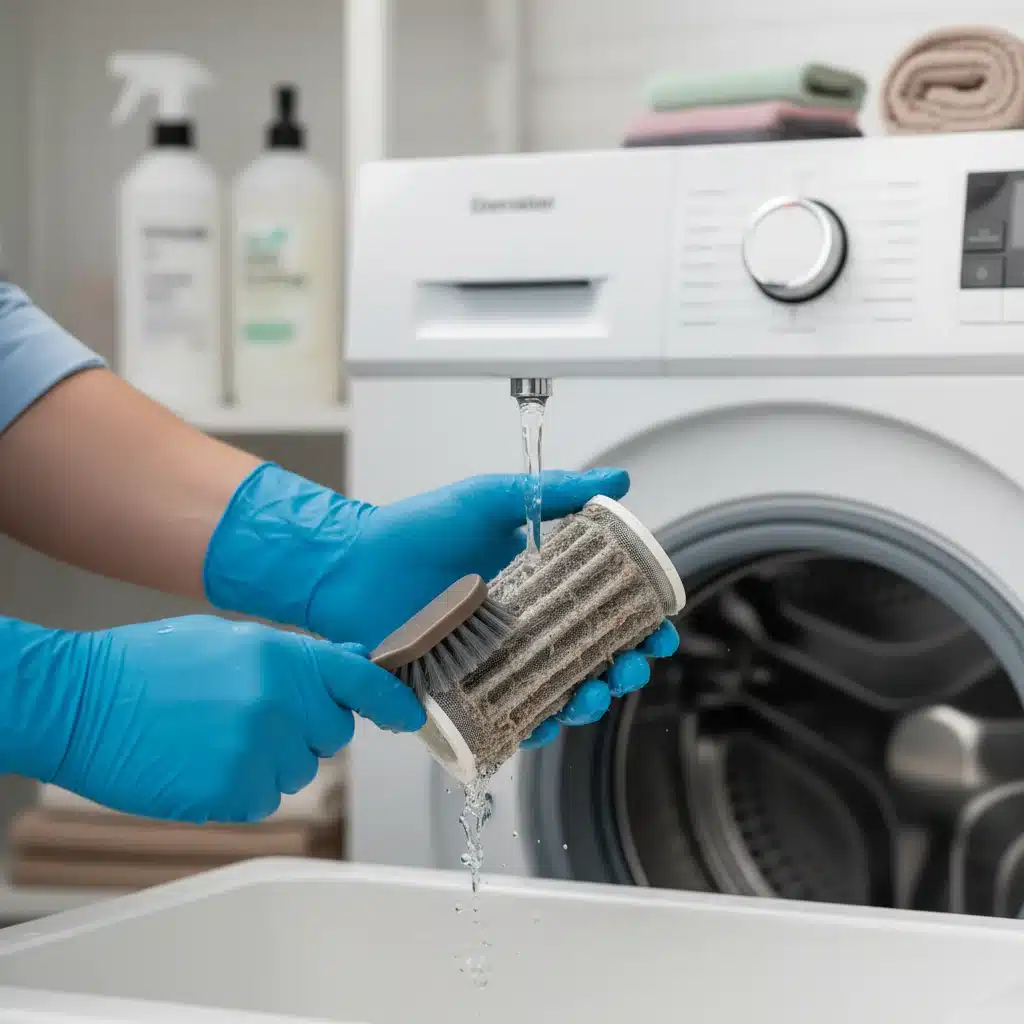
Dryer: Focus on Airflow and Lint
- Clean the Lint Filter After Every Load: This is non-negotiable. A clogged lint filter restricts airflow, making the dryer work harder, increasing energy consumption, and posing a serious fire hazard.
- Clean the Dryer Vent Annually: Beyond the lint filter, lint can accumulate in the dryer vent hose and ductwork, significantly reducing efficiency and increasing fire risk. Hire a professional or use a dryer vent cleaning kit to clear the entire duct system at least once a year. This might be the most important appliance longevity tip for dryers.
- Don’t Overdry: Overdrying not only damages your clothes but also puts unnecessary strain on the dryer’s components. Use moisture-sensing settings if your dryer has them.
- Avoid Overloading: Like washing machines, overloading a dryer reduces airflow, increases drying time, and stresses the motor.
Dishwasher: Sparkling Dishes, Longer Life
The dishwasher saves us countless hours, but it needs regular care to perform optimally and last longer.
Clean the Filter Regularly
Many modern dishwashers have a removable filter at the bottom that catches food particles. If this filter gets clogged, water won’t drain properly, and dishes won’t get clean.
How to: Remove, rinse, and clean the filter under running water with a brush to remove any trapped food debris. Do this weekly or bi-weekly depending on usage.
Run a Cleaning Cycle
Mineral deposits, grease, and food residue can build up inside the dishwasher. Run an empty cycle with a dishwasher cleaner, white vinegar, or baking soda once a month to remove these accumulations and eliminate odors.
Use the Right Detergent and Rinse Aid
Using too much detergent can leave residue, while too little may not clean effectively. Rinse aid helps prevent water spots and aids in drying, reducing the need for extra drying cycles.
Load Properly
Avoid blocking the spray arms. Proper loading ensures water and detergent can reach all dishes, preventing the need for re-washing and ensuring the machine operates efficiently.
Oven & Range: The Heart of Your Kitchen
From daily meals to holiday feasts, your oven and range are central to your culinary endeavors. Proper care ensures even cooking and extended functionality.
Clean Spills Immediately
Baked-on food spills are much harder to remove and can cause odors or even smoke. Clean up spills on the stovetop and inside the oven as soon as they cool down. For the oven, avoid using abrasive cleaners that can damage the finish.
Use the Self-Cleaning Feature Sparingly
While convenient, the high temperatures reached during a self-cleaning cycle can put stress on oven components, particularly the electronic controls. Use it only when necessary, and ensure your kitchen is well-ventilated during the process.
Check and Clean Burners/Heating Elements
For gas ranges, ensure burner ports are clear of food debris for even flame distribution. For electric coil elements, ensure they are clean and sit properly in their receptacles. For glass stovetops, use specialized cleaners to prevent scratching and maintain appearance.
Inspect Door Seals
A properly sealed oven door is crucial for maintaining consistent temperatures and energy efficiency. Check the rubber or fiberglass gasket around the oven door for tears or damage. A leaky seal means heat escapes, forcing the oven to work harder.
Microwave Oven: Quick Meals, Lasting Performance
Often overlooked, the microwave also benefits from regular attention.
Keep it Clean
Food splatters inside the microwave can absorb microwave energy, leading to ‘hot spots’ and uneven heating, and can even cause arcing. Clean the interior regularly with a damp cloth and mild soap. For stubborn stains, heat a bowl of water with lemon slices or vinegar for a few minutes, then wipe clean.
Avoid Running it Empty
Microwave ovens are designed to heat food (which contains water). Running it empty can damage the magnetron, the component that generates microwaves, as there’s nothing to absorb the energy. Always have something inside when operating.
Use Microwave-Safe Dishes
This seems obvious, but using non-microwave-safe containers (especially metal) can cause sparks and damage the appliance. Always check labels.
Small Appliances: Don’t Forget the Little Guys
While major appliances often get the spotlight, your smaller kitchen companions also benefit from care, contributing to overall appliance longevity tips in your home.
- Coffee Makers: Descale regularly (monthly or quarterly) using white vinegar and water to remove mineral buildup. Clean removable parts.
- Toasters/Toaster Ovens: Empty crumb trays frequently to prevent fire hazards and keep the heating elements clean.
- Blenders/Food Processors: Clean immediately after use to prevent food from drying and sticking. Inspect blades for dullness or damage.
- Vacuum Cleaners: Empty the dustbin or replace the bag regularly. Clean or replace filters as recommended. Check and clear blockages in hoses and brush rolls.
General Appliance Longevity Tips for All Machines
Beyond specific appliance care, these overarching principles apply to nearly all your home machines, bolstering your overall appliance longevity tips strategy.
Read the Manual!
It sounds simple, but the owner’s manual is a treasure trove of specific maintenance instructions, troubleshooting tips, and usage guidelines tailored to your exact model. Many problems arise simply because users haven’t consulted this vital resource. Don’t just skim it; understand it.
Avoid Overloading
This cannot be stressed enough. Whether it’s a washing machine, dishwasher, or even a blender, pushing an appliance beyond its intended capacity puts immense strain on its motor and internal components, leading to premature failure. Always err on the side of caution.
Proper Placement and Ventilation
Ensure appliances have adequate space around them for proper ventilation. For refrigerators, this means leaving a few inches between the back and the wall. For dryers, ensuring the vent hose isn’t kinked. Overheating is a silent killer of appliance motors and electronics.
Protect Against Power Surges
Modern appliances often contain sensitive electronics that can be damaged by power fluctuations. Invest in surge protectors for valuable electronics. For major appliances like refrigerators, consider whole-house surge protection or dedicated appliance surge protectors.
Address Minor Issues Promptly
Don’t ignore strange noises, unusual smells, or slight performance drops. These are often early warning signs of a developing problem. Addressing them early can prevent a small repair from turning into a major breakdown or necessitating a full replacement. A quick online search or call to a technician can often save you significant money down the line.
Regular Professional Check-ups
Just like your car, some appliances can benefit from a periodic professional check-up. An experienced technician can spot potential issues before they become critical, clean hard-to-reach components, and ensure everything is calibrated correctly. While an upfront cost, this can be a worthwhile investment in extending the life of your most expensive appliances.
Consider Water Quality
If you live in an area with hard water, mineral buildup can significantly impact appliances that use water. Consider installing a whole-house water softener or using water filters for specific appliances like coffee makers and ice makers. This can prevent scale buildup in pipes and heating elements, which is a common cause of failure.
Use Quality Parts for Repairs
If a repair is needed, always opt for genuine manufacturer parts or high-quality aftermarket equivalents. Cheap, generic parts might save money initially but can lead to further damage or reduced performance, ultimately shortening the appliance’s life.
Unplug When Not in Use (for some appliances)
While not practical for refrigerators, unplugging smaller appliances like coffee makers, toasters, and blenders when not in use can protect them from phantom power surges and reduce ‘vampire’ energy consumption. It also encourages a deeper clean when they are unplugged.
The Long-Term Benefits of Appliance Longevity
Embracing these appliance longevity tips offers a multitude of benefits that extend far beyond just having functional machines:
- Significant Cost Savings: The most obvious benefit is avoiding the high cost of frequent appliance replacements and expensive emergency repairs. Extending an appliance’s life by even a year or two can save hundreds, if not thousands, of dollars.
- Reduced Environmental Impact: Manufacturing new appliances consumes vast amounts of resources and energy, and disposing of old ones contributes to landfill waste. By making your appliances last longer, you’re actively participating in sustainable living and reducing your carbon footprint.
- Consistent Performance: Well-maintained appliances tend to perform better and more efficiently. This means your clothes get cleaner, your food stays colder, and your dishes sparkle more reliably.
- Peace of Mind: Knowing that your appliances are in good working order and less likely to break down unexpectedly provides a sense of security and reduces household stress.
- Energy Efficiency: A clean, well-maintained appliance doesn’t have to work as hard, which translates to lower energy consumption and reduced utility bills.
Conclusion: Invest in Your Appliances, Invest in Your Home
Extending the life of your home appliances isn’t about magic or complex overhauls; it’s about consistent, mindful care. By incorporating these appliance longevity tips into your routine, you’re not just performing maintenance; you’re making a smart investment in your home’s efficiency, your financial well-being, and the planet’s health. From the humble coffee maker to the mighty refrigerator, every appliance in your home deserves a little attention. Start implementing these strategies today, and watch as your appliances serve you faithfully for years beyond their expected lifespan, saving you money and hassle along the way.
Remember, a little effort goes a long way. Don’t wait for a breakdown to think about appliance care. Proactive maintenance is the key to unlocking true appliance longevity and enjoying a more efficient, sustainable home.