Your 2026 Guide to Water Conservation at Home: Save Up to 20 Gallons Daily (PRACTICAL SOLUTIONS)
Anúncios
Your 2026 Guide to Water Conservation at Home: Save Up to 20 Gallons Daily (PRACTICAL SOLUTIONS)
In an era where environmental consciousness and resource management are more critical than ever, understanding and implementing home water conservation practices is not just a trend – it’s a necessity. As we step into 2026, the urgency to conserve water intensifies due to growing populations, climate change impacts, and increased demand. This comprehensive guide is designed to empower you with practical, actionable strategies to reduce your household’s water consumption significantly. Imagine saving up to 20 gallons daily, not only contributing to a healthier planet but also seeing a noticeable reduction in your utility bills. This isn’t about drastic lifestyle changes; it’s about smart choices, efficient habits, and embracing technologies that make home water conservation an integral, effortless part of your daily routine.
Anúncios
From the moment you wake up until you turn off the lights at night, water plays an indispensable role in almost every aspect of your home life. However, much of this usage is often inefficient, leading to unnecessary waste. By focusing on key areas – from the bathroom and kitchen to your laundry room and outdoor spaces – you can transform your home into a beacon of water efficiency. We’ll delve into understanding your current water usage, identifying common culprits of waste, and then providing a roadmap to implement effective conservation methods. Whether you’re a seasoned eco-warrior or just beginning your journey into sustainable living, this guide offers insights and tips tailored for everyone. Let’s embark on this journey to master home water conservation and make a tangible difference, one drop at a time.
Understanding Your Water Footprint: Why Home Water Conservation Matters
Before diving into specific actions, it’s crucial to grasp the ‘why’ behind home water conservation. Your water footprint represents the total volume of fresh water used to produce the goods and services you consume. At home, this includes everything from the water you drink and shower with to the water used by your appliances and for landscaping. Globally, freshwater resources are finite and under immense pressure. Droughts are becoming more frequent and severe, impacting agriculture, ecosystems, and human communities. By reducing your household’s water consumption, you directly alleviate some of this pressure, contributing to environmental sustainability and resource security for future generations.
Anúncios
The Environmental and Economic Benefits of Reducing Water Use
The benefits of effective home water conservation are multifaceted. Environmentally, less water extraction means healthier rivers, lakes, and aquifers. It also reduces the energy required to pump, heat, and treat water, thereby lowering greenhouse gas emissions. Economically, conserving water translates directly into lower utility bills. For many households, water and wastewater charges can be a significant expense. By adopting water-saving practices, you can free up funds for other priorities. Furthermore, in some regions, water conservation can help avoid costly infrastructure upgrades for municipal water systems, costs that are often passed on to consumers.
Beyond the immediate financial and ecological advantages, there’s a broader societal impact. When communities practice widespread water conservation, it builds resilience against water shortages and fosters a culture of responsible resource management. This collective effort is vital for navigating the challenges posed by climate change and ensuring that water remains an accessible and affordable resource for all. Understanding these profound implications underscores the importance of every individual’s contribution to home water conservation.
Bathroom Blitz: Saving Water Where It Flows Most
The bathroom is often the biggest water guzzler in any home. Toilets, showers, and faucets account for a substantial portion of indoor water use. Fortunately, this also means it’s one of the most impactful areas for home water conservation efforts. Simple changes here can lead to significant daily savings.
Efficient Toilets: The Cornerstone of Bathroom Water Savings
Older toilets can use anywhere from 3.5 to 7 gallons per flush (GPF). Modern, high-efficiency toilets (HETs) use 1.28 GPF or less, with some models going as low as 0.8 GPF. Upgrading to an HET can save thousands of gallons annually. If a full replacement isn’t feasible immediately, consider these interim solutions:
- Dual-Flush Kits: These kits allow you to choose between a full flush for solids and a reduced flush for liquids, significantly cutting down water use.
- Toilet Tank Banks/Bottle Displacement: Placing a weighted plastic bottle (filled with water or sand) in your toilet tank can displace water, reducing the volume used per flush. Just ensure it doesn’t interfere with the flushing mechanism.
- Check for Leaks: A silent toilet leak can waste hundreds of gallons a day. Add a few drops of food coloring to your toilet tank. If, after 15-20 minutes, the color appears in the bowl without flushing, you have a leak. Common culprits are worn-out flapper valves, which are inexpensive and easy to replace.
Smart Showers: Shorter, Cooler, and More Efficient
Long, hot showers are a luxury, but they come at a high environmental cost. A standard showerhead can use 2.5 gallons per minute (GPM) or more. Reducing your shower time by even a minute or two can save gallons. For example, a 10-minute shower with a standard head uses 25 gallons; a 5-minute shower uses 12.5 gallons. Consider these tips for efficient showering:
- Low-Flow Showerheads: Replace old showerheads with WaterSense-labeled models that use no more than 2.0 GPM, often delivering a surprisingly satisfying spray. Some models go as low as 1.5 GPM.
- Shorter Showers: Challenge yourself and your family to take shorter showers. Use a timer if needed.
- Turn Off While Lathering: Turn off the water while you shampoo, condition, or lather up. Turn it back on only to rinse.
Faucets and Sinks: Every Drop Counts
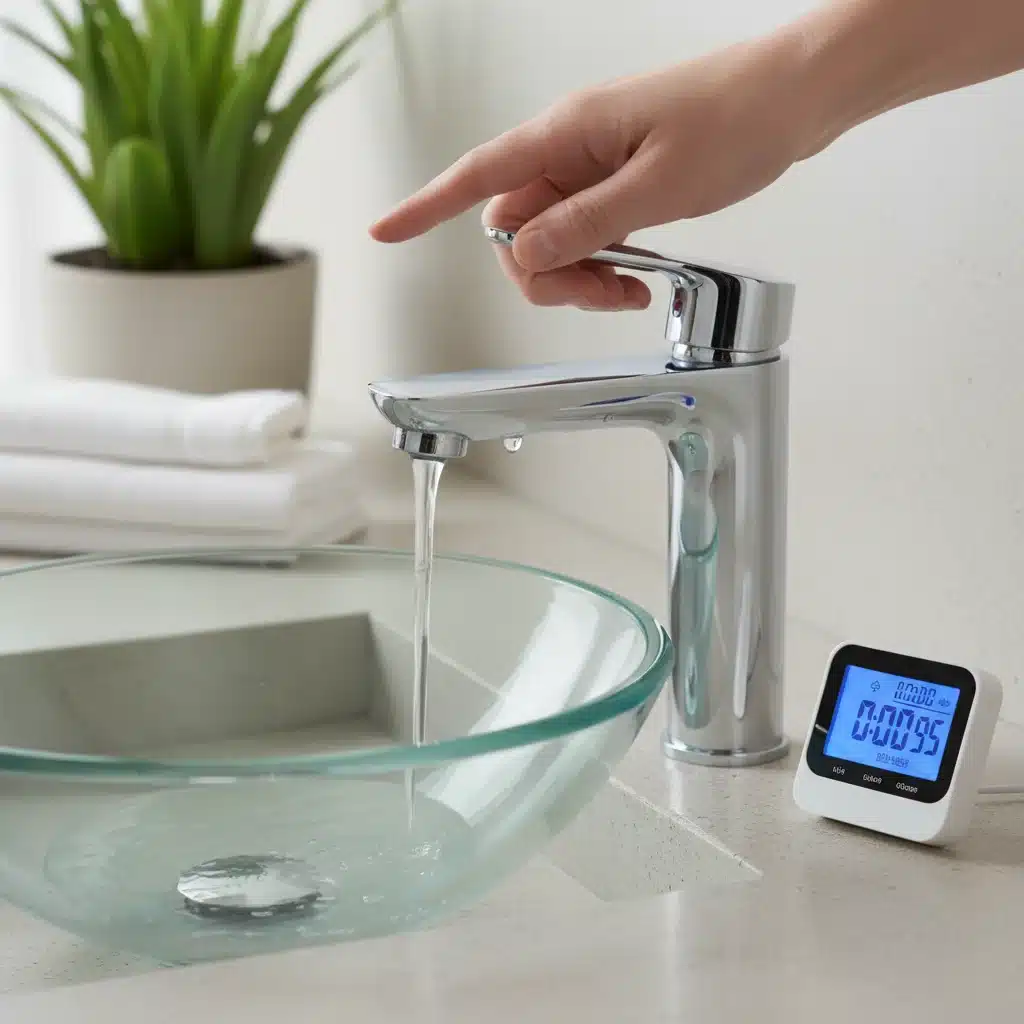
Leaving the faucet running while brushing your teeth or shaving can waste several gallons. Incorporating mindful habits and efficient fixtures here is key to home water conservation.
- Aerators: Install low-flow aerators on all your faucets. These inexpensive devices mix air into the water stream, maintaining pressure while reducing flow to 1.0 GPM or less.
- Turn Off the Tap: Make it a habit to turn off the water while brushing teeth, shaving, or washing hands.
- Fix Leaks Promptly: A dripping faucet, even a slow one, can waste hundreds of gallons per year. Repairing these leaks is often a simple DIY task.
Kitchen & Laundry Room: Everyday Home Water Conservation
The kitchen and laundry room are two other areas where significant amounts of water are used daily. From washing dishes to doing laundry, there are numerous opportunities to implement smart water-saving strategies without compromising cleanliness or convenience.
Kitchen Wisdom: Smart Dishwashing and Food Prep
The kitchen is a hub of activity, and water is often central to it. However, many common kitchen practices can be made more water-efficient:
- Dishwashers: Contrary to popular belief, a full, modern, energy-efficient dishwasher often uses less water than washing dishes by hand. Ensure you run your dishwasher only when it’s full. Avoid pre-rinsing dishes excessively; scrape off food scraps instead.
- Washing Dishes by Hand: If you do wash dishes by hand, don’t let the water run continuously. Fill one basin with wash water and another with rinse water.
- Food Preparation: Thaw frozen foods in the refrigerator overnight instead of under running water. Wash fruits and vegetables in a basin of water rather than under a running tap. The collected water can then be used to water plants.
- Garbage Disposals: Use your garbage disposal sparingly. They require a significant amount of water to operate and contribute to the wastewater stream. Compost food scraps instead.
- Leak Detection: Regularly check under your sink for any leaks from pipes or the faucet base. Even small drips can add up over time.
Laundry Room: Making Every Wash Count
Laundry machines are among the most water-intensive appliances in your home. Optimizing their use is crucial for home water conservation.
- Full Loads Only: Always run your washing machine with a full load. If you must wash a smaller load, use the appropriate water level setting.
- High-Efficiency Washing Machines: If you’re in the market for a new washing machine, invest in a high-efficiency (HE) model. These machines use significantly less water and energy than older, conventional models. Front-loading machines are generally more water-efficient than top-loaders.
- Detergent Usage: Use the correct amount of detergent. Too much detergent can lead to excessive suds, prompting the machine to use more rinse cycles, thus more water.
- Pre-Soak Instead of Pre-Rinse: For heavily soiled items, pre-soak them in a basin rather than rinsing them under a running tap.
Outdoor Oasis: Smart Landscaping and Garden Water Savings
For many households, outdoor water use, particularly for landscaping and gardening, can account for 50% or more of total water consumption. This area presents immense opportunities for home water conservation, especially in drier climates. With thoughtful planning and smart technologies, you can maintain a beautiful outdoor space while drastically reducing your water footprint.
Xeriscaping and Drought-Tolerant Plants
Xeriscaping is a landscaping approach that reduces or eliminates the need for supplemental water from irrigation. It’s built on seven principles:
- Planning and Design: Create a water-efficient landscape plan.
- Soil Improvement: Enhance soil with organic matter to improve water retention.
- Efficient Irrigation: Use targeted watering methods.
- Appropriate Plant Selection: Choose plants suited to your climate and soil type.
- Practical Turf Areas: Minimize or eliminate thirsty lawns.
- Mulch: Apply mulch to retain soil moisture.
- Maintenance: Proper upkeep to ensure efficiency.
Focus on planting native and drought-tolerant species that thrive in your local climate without excessive watering. These plants are often more resilient and require less maintenance once established.
Smart Irrigation Systems
Outdated sprinkler systems can be significant water wasters. Upgrading to a smart irrigation system can save substantial amounts of water.
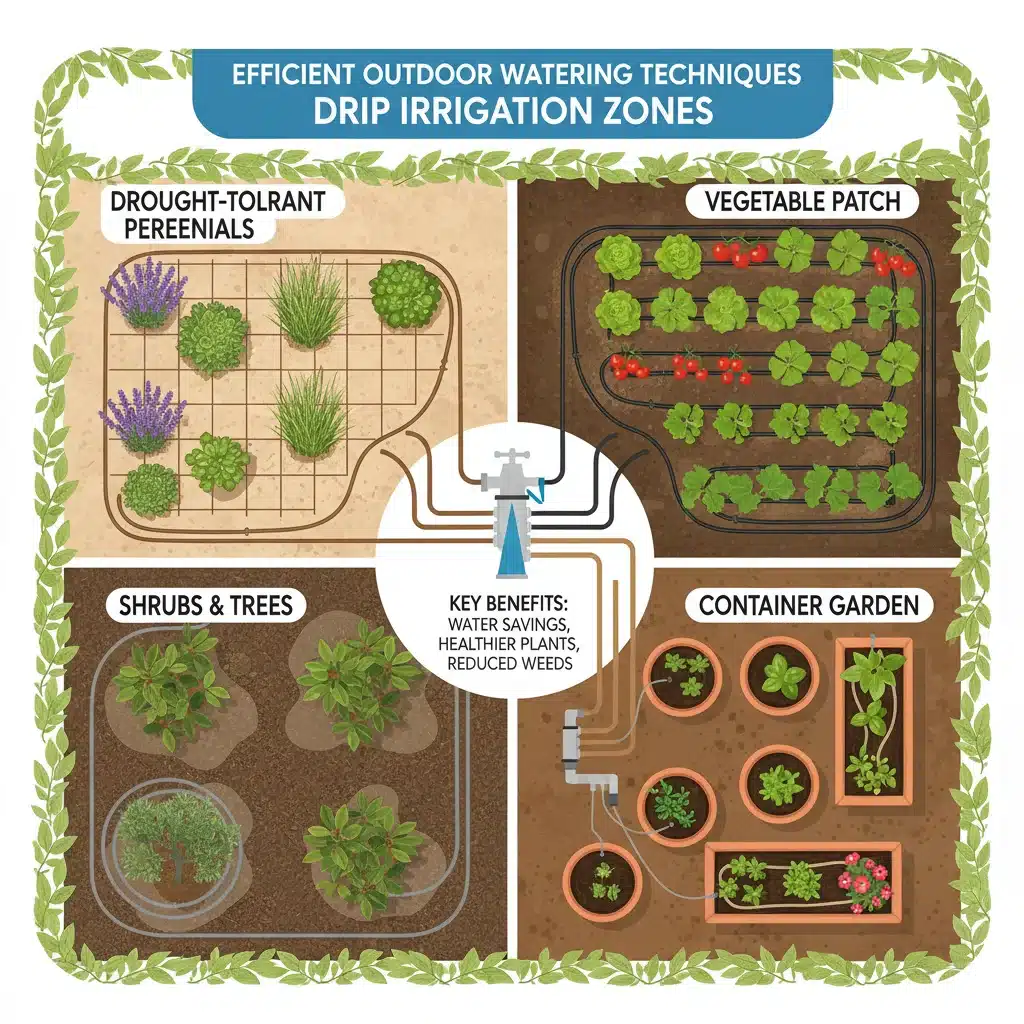
- Drip Irrigation: This system delivers water directly to the plant roots, minimizing evaporation and runoff. It’s ideal for garden beds, trees, and shrubs.
- Smart Controllers: These controllers use local weather data, soil moisture sensors, and plant type information to adjust watering schedules automatically. They ensure your plants get the right amount of water at the right time, preventing overwatering.
- Rain Sensors: Install rain sensors that automatically shut off your irrigation system when it rains, preventing unnecessary watering.
- Regular Maintenance: Periodically check your irrigation system for leaks, broken sprinkler heads, or misaligned spray patterns. Adjust heads to ensure water is only hitting plants, not sidewalks or driveways.
Other Outdoor Water-Saving Tips
- Water During Off-Peak Hours: Water your lawn and garden in the early morning or late evening to reduce evaporation.
- Rain Barrels: Collect rainwater from your downspouts in rain barrels. This free, untreated water is perfect for watering plants and gardens.
- Car Washing: Wash your car on your lawn using a bucket and sponge, and a hose with a shut-off nozzle. This allows the water to soak into the grass rather than run down the driveway into storm drains.
- Sweeping vs. Hosing: Use a broom to clean driveways, patios, and sidewalks instead of hosing them down.
- Pool Covers: If you have a pool, use a pool cover to reduce evaporation, saving both water and heating costs.
Advanced Home Water Conservation Technologies and Future Trends for 2026
Beyond the immediate fixes, the landscape of home water conservation is constantly evolving with new technologies. Looking towards 2026, several innovations are becoming more accessible and integrated into smart home ecosystems, offering even greater potential for water savings.
Smart Home Water Monitoring Systems
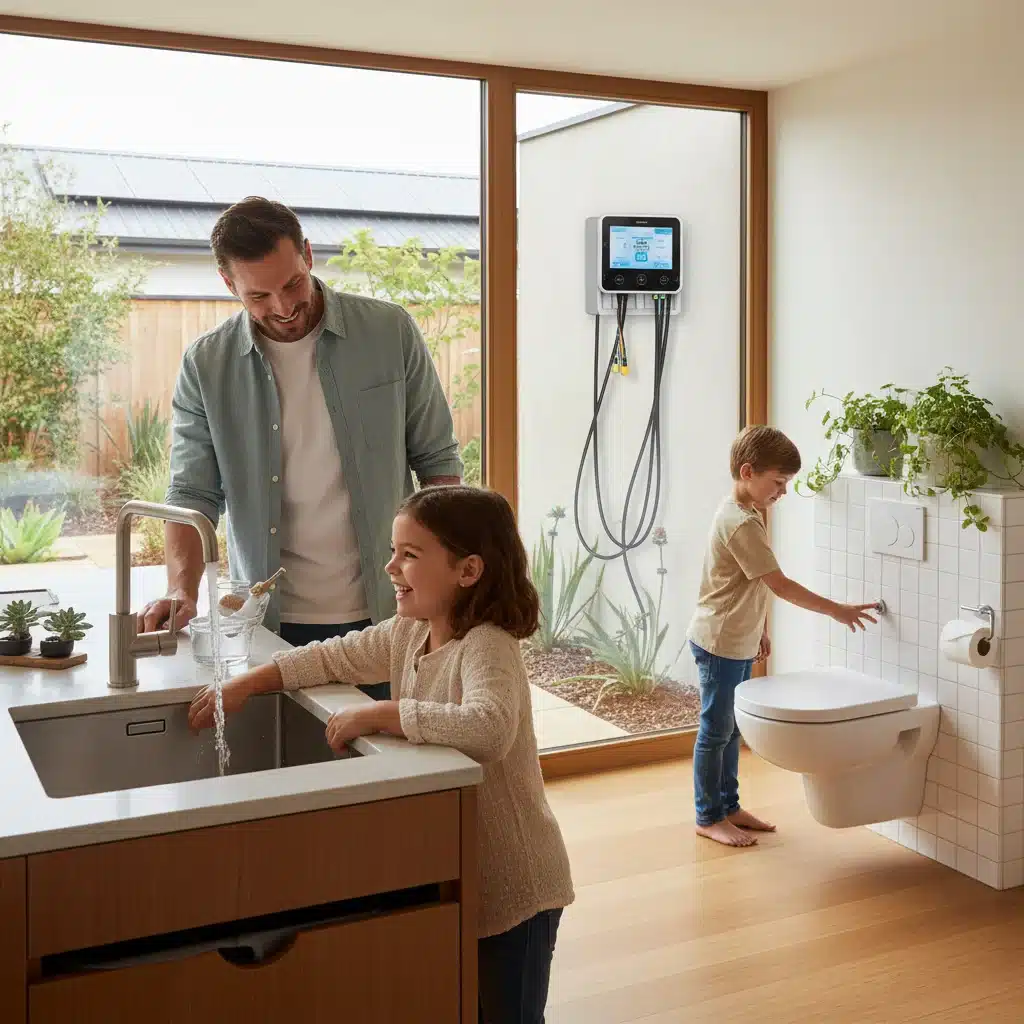
These systems are rapidly gaining popularity. They typically involve sensors installed on your main water line that monitor water flow in real-time. Features often include:
- Leak Detection: Immediate alerts to your smartphone if a leak is detected, often with the ability to automatically shut off the main water supply to prevent extensive damage.
- Usage Tracking: Detailed insights into where and how much water your household is using, helping you identify specific areas for conservation.
- Appliance Monitoring: Some advanced systems can even differentiate water use by appliance, giving you granular data on your dishwasher, washing machine, and showers.
These systems move home water conservation from reactive to proactive, providing peace of mind and powerful data to inform your saving strategies.
Greywater Recycling Systems
Greywater refers to wastewater from sinks, showers, and washing machines (excluding toilet water, which is blackwater). Greywater recycling systems treat this water so it can be reused for non-potable purposes, such as toilet flushing or landscape irrigation. While more of an investment, these systems can significantly reduce your overall water demand, especially in regions prone to drought. As regulations and technologies advance, greywater systems are becoming more efficient and easier to integrate into residential properties.
Rainwater Harvesting Systems
While rain barrels are a good start, more elaborate rainwater harvesting systems can collect and store substantial amounts of rainwater from your roof. This water can then be filtered and used for various outdoor purposes, or even for indoor non-potable uses with advanced filtration. As climate patterns become more unpredictable, maximizing the capture of rainfall for later use is a smart long-term strategy for home water conservation.
Water-Efficient Appliances and Fixtures
The trend towards ultra-efficient appliances continues. Look for products with the WaterSense label for plumbing fixtures and ENERGY STAR certification for appliances, as these indicate superior water and energy efficiency. Manufacturers are continually innovating, introducing dishwashers with advanced spray patterns that use less water, washing machines with sophisticated load-sensing technologies, and toilets that push the boundaries of low-flow performance.
Developing a Family Culture of Home Water Conservation
Technology and upgrades are vital, but the most effective home water conservation strategy involves cultivating mindful habits among all household members. Education and consistent practice are key to making water-saving second nature.
Educating and Engaging Your Household
- Lead by Example: Be a role model for water-saving habits. Your actions will speak louder than words.
- Explain the ‘Why’: Help children and other family members understand why water conservation is important – its environmental impact, cost savings, and community benefits.
- Make it Fun: Turn water-saving into a game. Challenge family members to take shorter showers or see who can collect the most rainwater.
- Involve Everyone: Encourage everyone to participate in leak detection, reporting drips, or helping with garden watering.
Regular Audits and Monitoring
Periodically review your water bills to track your consumption. Many utility companies provide detailed usage data, sometimes even comparing your usage to similar households in your area. This can be a powerful motivator. Conduct a DIY home water audit:
- Check your water meter: Read your meter before going to bed and again in the morning (without using any water overnight). If the numbers have changed, you likely have a leak.
- Inspect fixtures: Regularly check toilets, faucets, and showerheads for visible leaks or drips.
- Outdoor check: Examine outdoor spigots and irrigation systems for any signs of leaks.
By making these checks a routine, you can quickly identify and address issues, preventing unnecessary water waste and reinforcing your commitment to home water conservation.
Conclusion: Your Role in a Water-Wise Future
Embracing home water conservation is more than just a series of tasks; it’s a commitment to a sustainable lifestyle that benefits both your household and the planet. By implementing the practical solutions outlined in this 2026 guide – from simple behavioral changes in the bathroom and kitchen to smart technological upgrades in your laundry room and outdoor spaces – you can realistically save up to 20 gallons of water daily, if not more.
The journey towards a water-efficient home is ongoing. It involves continuous learning, adaptation to new technologies, and a collective effort from everyone under your roof. Every drop saved contributes to preserving precious freshwater resources, reducing energy consumption, and lowering your utility bills. As we move further into the 21st century, the importance of individual actions in addressing global environmental challenges cannot be overstated. Your commitment to home water conservation is a powerful step towards building a more resilient, sustainable, and water-wise future for all.
Start today, make a conscious choice to adopt these practices, and become an active participant in securing our most vital resource. The planet, and your wallet, will thank you.