Reduce Food Waste by 25%: Smarter Grocery Shopping This Month
Anúncios
In an era where sustainability is paramount and household budgets are constantly under scrutiny, the issue of food waste has emerged as a critical concern. Globally, an astonishing one-third of all food produced for human consumption is lost or wasted. This isn’t just an environmental problem; it’s an economic drain on families and a moral dilemma when so many still face food insecurity. The good news is that tackling food waste doesn’t require drastic lifestyle changes. In fact, by implementing a few smart strategies, you can significantly reduce food waste in your own home, potentially by as much as 25% this month alone, simply by rethinking your approach to grocery shopping.
Anúncios
This comprehensive guide is designed to equip you with practical, actionable tips that will transform your grocery habits. We’ll delve into everything from pre-shopping preparation to post-shopping storage, all aimed at helping you make the most of every item you bring into your kitchen. By the end of this article, you’ll have a clear roadmap to not only save money but also contribute to a more sustainable planet. Let’s embark on this journey to smarter grocery shopping and a greener future, one less wasted carrot at a time.
Understanding the Impact of Food Waste
Before we dive into the ‘how-to,’ it’s crucial to understand why reducing food waste is so important. The consequences extend far beyond your overflowing trash can. Environmentally, food waste contributes significantly to greenhouse gas emissions. When food rots in landfills, it produces methane, a potent greenhouse gas that is 25 times more effective at trapping heat than carbon dioxide. Furthermore, the resources used to produce, process, transport, and store that wasted food—water, energy, land, and labor—are also squandered. Imagine the water used to grow a head of lettuce that never gets eaten, or the fuel burned to transport a carton of milk that expires before it’s opened. These are all resources that could have been used more efficiently.
Anúncios
Economically, food waste hits your wallet directly. The average American family of four throws away approximately $1,500 worth of food each year. That’s a substantial amount that could be saved or redirected to other household needs. Think about what you could do with an extra $125 per month! Reducing food waste means getting more value from your grocery budget, making your money stretch further. Socially, addressing food waste has implications for food security. While millions go hungry, perfectly edible food is discarded. By reducing waste at the household level, we can encourage a broader shift towards more efficient food systems.
The good news is that a significant portion of food waste happens at the consumer level, meaning we have considerable power to make a difference. By focusing on smarter grocery shopping, we can directly impact these numbers, starting with our own kitchens. Our goal is to help you reduce food waste by 25% this month, a tangible and achievable target that will make a real difference.
Phase 1: Pre-Shopping Preparation – The Foundation of Success
The battle against food waste is often won before you even step foot in the grocery store. Thoughtful preparation is the cornerstone of efficient shopping and ensures that every item you purchase has a purpose. This phase is all about planning, inventorying, and strategizing.
1. The Power of the Inventory: Know What You Have
Before creating a shopping list, always, always, always take stock of what you already have. Open your refrigerator, peer into your pantry, and check your freezer. Make a mental (or even better, a written) note of ingredients that are nearing their expiration date, produce that needs to be used soon, and staples that are running low. This simple step prevents duplicate purchases and ensures that older items are used up first. You might be surprised by how many meals you can construct from what’s already in your kitchen, thus immediately helping to reduce food waste.
2. Masterful Meal Planning: A Weekly Blueprint
Meal planning is arguably the most effective tool in your food waste reduction arsenal. Dedicate 15-30 minutes each week to plan out your meals for the next 5-7 days. Consider:
- Breakfasts, Lunches, and Dinners: Don’t just plan dinners. Think about how leftovers can become lunch the next day, or how certain ingredients can pull double duty across different meals.
- Ingredient Overlap: Can you use half a head of cabbage in a stir-fry on Monday and the other half in tacos on Wednesday? This minimizes buying small quantities of ingredients that might go bad.
- Theme Nights: “Meatless Monday,” “Taco Tuesday,” or “Pasta Thursday” can simplify planning.
- Flexibility: While planning is key, allow for some flexibility. Life happens, and sometimes plans change. Have a backup ‘easy’ meal in mind that uses ingredients you always have on hand.
3. Crafting the Smart Shopping List: Precision is Key
Once your inventory is done and your meals are planned, it’s time to create your shopping list. Be specific. Instead of “vegetables,” write “2 bell peppers, 1 bunch spinach.” Organize your list by grocery store sections (produce, dairy, pantry, frozen) to save time and prevent impulse buys. Stick to your list religiously. Impulse purchases are a major contributor to food waste because they often don’t fit into your meal plan and are more likely to spoil before being used.
4. Portion Control Awareness: Buy What You’ll Eat
While bulk buying can sometimes save money, it can also lead to more waste if you can’t consume everything before it spoils. Be realistic about how much you and your household will actually eat. If you live alone, a giant bag of apples might seem like a good deal, but if half of them go soft before you finish them, you haven’t saved anything. Consider smaller packages or buying loose items when possible. This mindful approach directly helps to reduce food waste by aligning purchases with consumption.
Phase 2: During Shopping – Mindful Choices at the Store
With your meticulously planned list in hand, you’re ready to hit the grocery store. This phase focuses on making conscious decisions while you shop, ensuring you select the right items and avoid common pitfalls that lead to waste.
1. Don’t Judge a Book by Its Cover: Embracing Imperfect Produce
Many perfectly edible fruits and vegetables are discarded simply because they don’t meet arbitrary aesthetic standards. “Ugly” produce, with its bumps, bruises, or unusual shapes, is just as nutritious and delicious as its “perfect” counterparts. Seek out these items, or if your store offers discounted “imperfect” produce, seize the opportunity. By doing so, you help to reduce food waste at the retail level and often save money.
2. Decoding Dates: Understanding “Best By,” “Sell By,” and “Use By”
Expiration dates are often misunderstood, leading to premature discarding of perfectly good food. Here’s a quick guide:
- “Best By” or “Best if Used By”: This indicates when a product will be at its peak quality or flavor. It’s not a safety date. Food can often be consumed safely after this date, though quality might decline.
- “Sell By”: This date is for retailers, indicating how long a product should be displayed for sale. It gives consumers time to use the product at home.
- “Use By” or “Expires On”: This is the only date that truly indicates food safety. After this date, it’s generally not recommended to consume the product.
When shopping, choose items with the furthest “best by” or “sell by” dates if you don’t plan to use them immediately. However, if you’re buying something for tonight’s dinner, a closer date is fine and might even be on sale, further helping to reduce food waste by ensuring it gets consumed.
3. Strategic Shopping Order: Produce Last
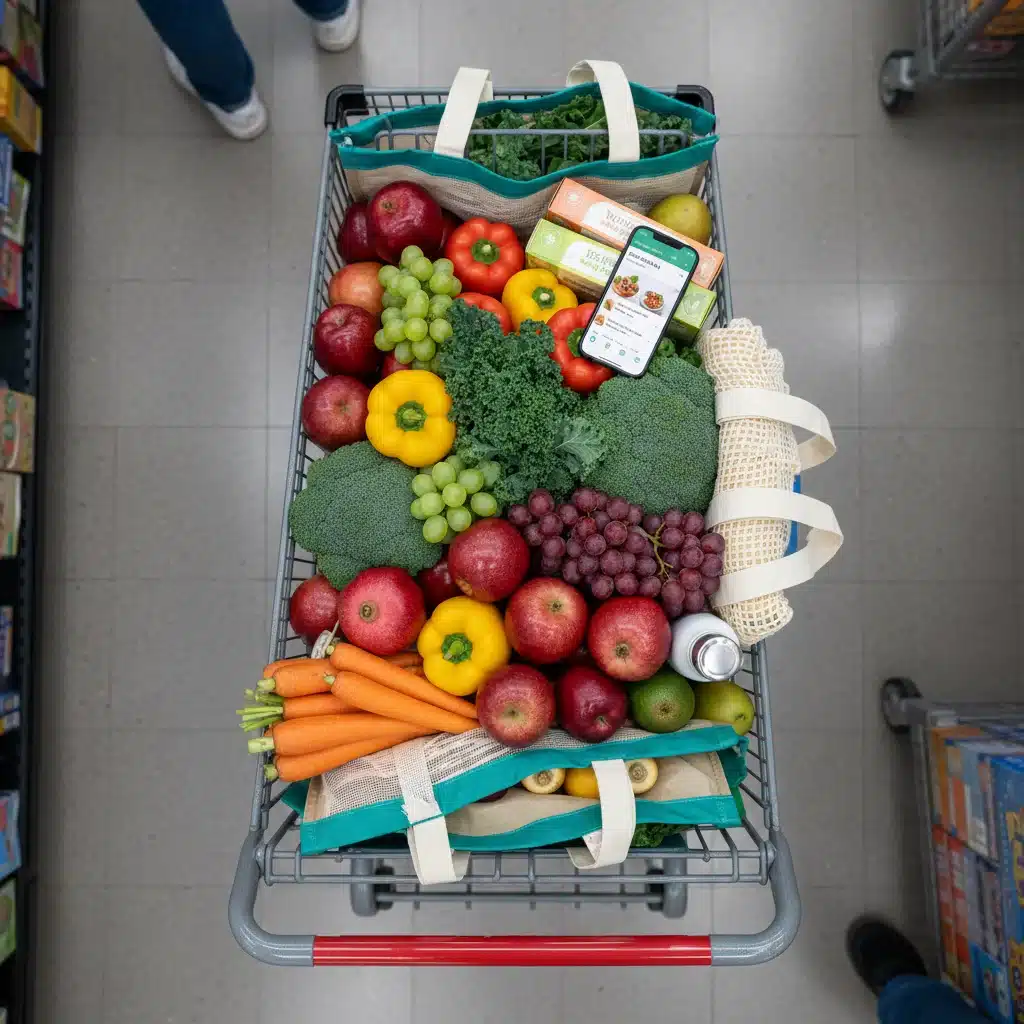
When filling your cart, place heavier, sturdier items at the bottom and more delicate produce on top. Save frozen and refrigerated items for last to minimize the time they spend outside of a temperature-controlled environment. This simple act helps maintain the quality and shelf life of your perishables, preventing them from spoiling prematurely once you get home.
Phase 3: Post-Shopping Storage – Maximizing Freshness
Once you’re home, the way you store your groceries plays a monumental role in their longevity. Proper storage can add days, even weeks, to the life of your food, directly impacting your ability to reduce food waste.
1. The Refrigerator: A Cold Science
Your refrigerator isn’t a one-size-fits-all storage solution. Different foods thrive in different conditions:
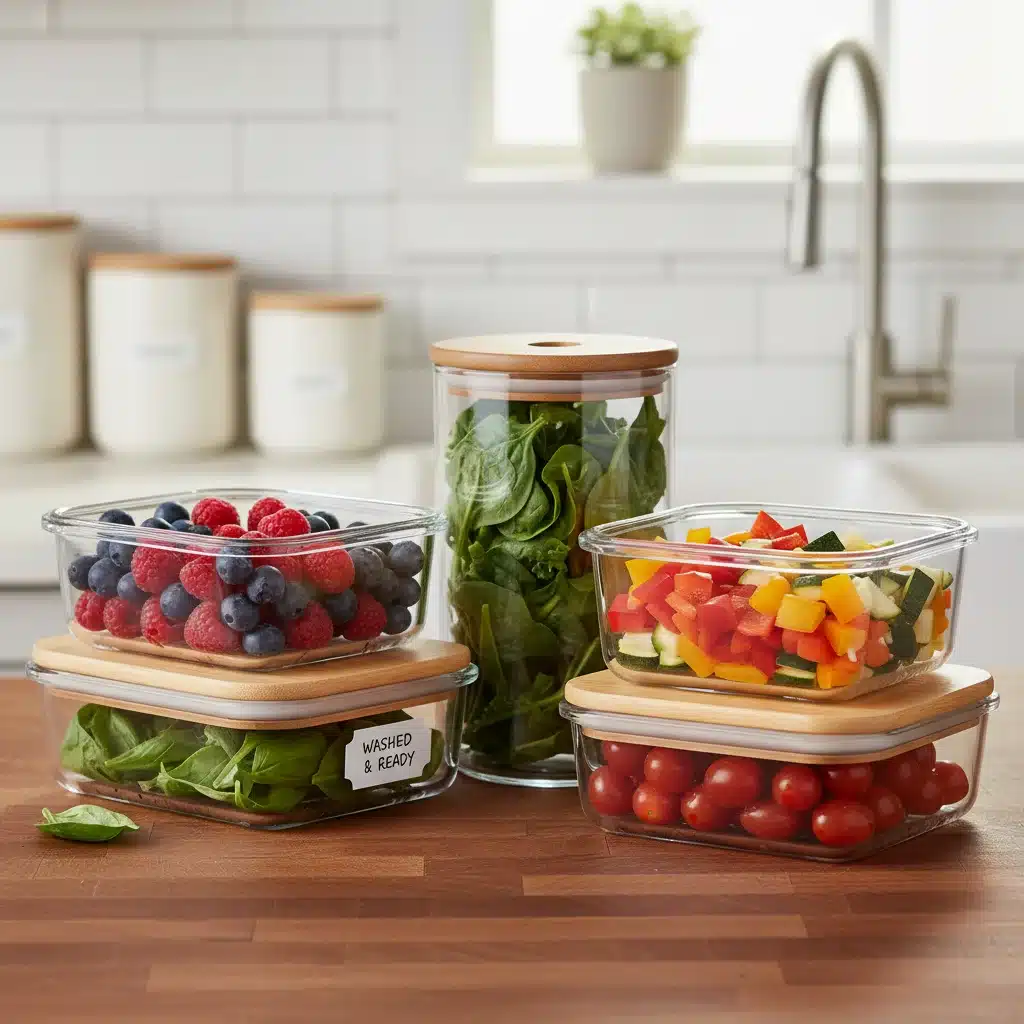
- Produce Drawers: Most refrigerators have two. One is typically for high-humidity items (leafy greens, broccoli, carrots, apples) to prevent them from drying out. The other is for low-humidity items (fruits that produce ethylene gas like apples, pears, and some vegetables like peppers) to prevent them from ripening too quickly and affecting other produce.
- Meat and Dairy: Store raw meats on the bottom shelf to prevent drips from contaminating other foods. Dairy products are best kept in the colder parts of the main shelves, not the door, which is prone to temperature fluctuations.
- Herbs: Treat tender herbs (like parsley, cilantro, basil) like a bouquet of flowers—trim the stems, place them in a glass of water, and cover loosely with a plastic bag. Heartier herbs (rosemary, thyme) can be wrapped in a damp paper towel and stored in a sealed bag.
- Berries: Don’t wash berries until you’re ready to eat them, as moisture encourages mold. Store them in a single layer in a breathable container.
2. The Pantry: Cool, Dark, and Dry
Dry goods, canned foods, and certain produce items belong in your pantry. Ensure it’s cool, dark, and dry to prevent spoilage and pest infestation.
- Potatoes and Onions: Store them in a cool, dark, well-ventilated place, but keep them separate. Onions emit gases that can cause potatoes to sprout.
- Tomatoes: Store at room temperature, stem-side down, to preserve flavor and texture. Only refrigerate if they are very ripe and you need to extend their life by a day or two.
- Bread: Store at room temperature for a few days, or freeze for longer storage. Refrigerating bread can make it stale faster.
3. The Freezer: Your Food Waste Superpower
The freezer is an invaluable tool for extending the life of many foods. Almost anything can be frozen! If you know you won’t use something before it spoils, freeze it. This is a game-changer for reducing food waste.
- Portion and Label: Freeze food in meal-sized portions to make thawing and cooking easier. Always label with the item and date.
- Blanching Vegetables: For best quality, blanch vegetables before freezing to preserve color, texture, and nutrients.
- Fruits: Freeze fruits in a single layer on a baking sheet before transferring to a freezer bag to prevent clumping.
- Leftovers: Don’t let leftovers languish in the fridge. Freeze them for future quick meals.
4. First-In, First-Out (FIFO): The Rotation Rule
Implement the “First-In, First-Out” (FIFO) method in your pantry and refrigerator. When you buy new groceries, move older items to the front so they are used first. This simple organizational principle ensures that food doesn’t get lost in the back of shelves and forgotten, thereby directly helping to reduce food waste.
Phase 4: Mindful Consumption – Beyond the Purchase
Even with the best planning and storage, food waste can still occur if we’re not mindful of how we consume. This phase focuses on habits that ensure everything you buy gets eaten.
1. “Eat Me First” Box/Shelf: A Visual Reminder
Designate a specific box or shelf in your refrigerator or pantry for items that need to be consumed soon. This could be leftover components from previous meals, produce nearing its prime, or open packages. Make a habit of checking this section first when deciding what to cook. This visual cue is incredibly effective in preventing forgotten food from spoiling.
2. Creative Cooking: Embracing Leftovers and Scraps
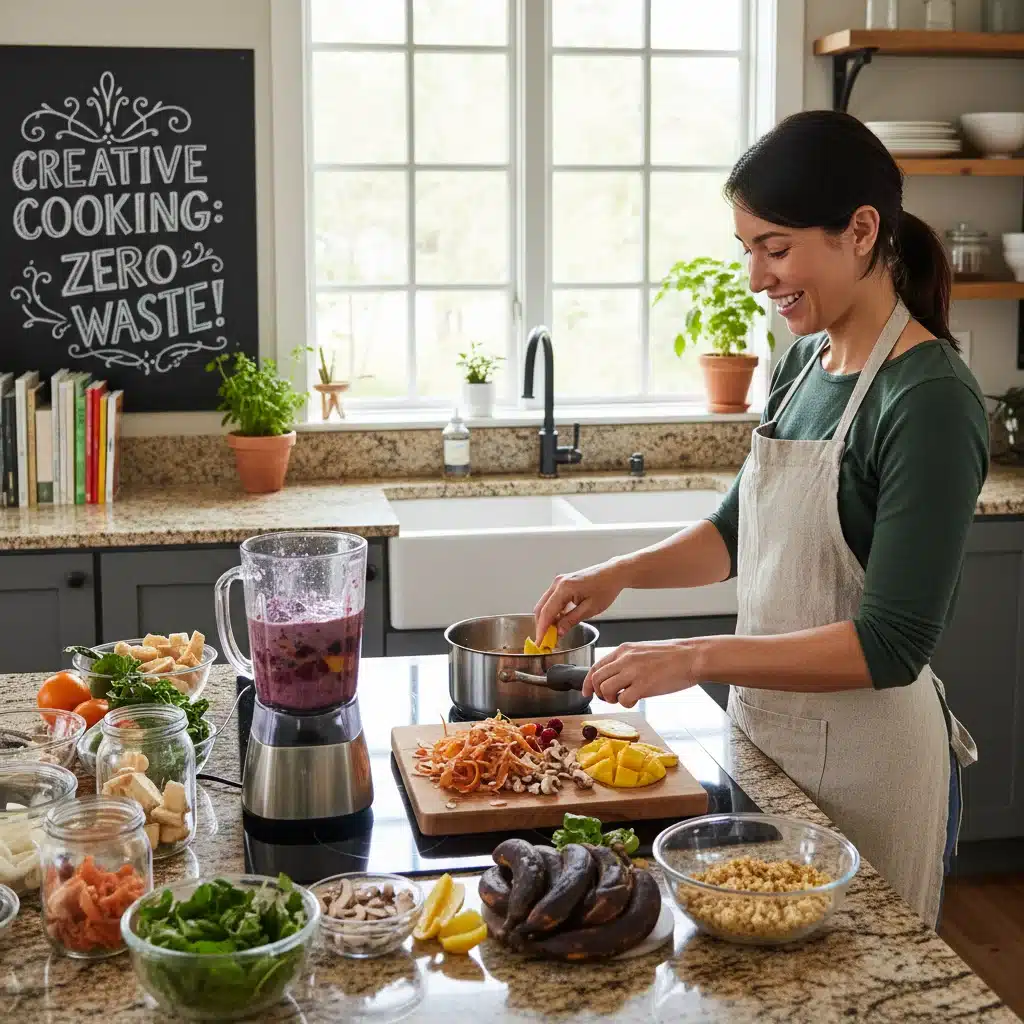
Instead of viewing leftovers as boring, see them as a head start on your next meal. Repurpose them into new dishes. For example, leftover roasted chicken can become chicken salad, quesadillas, or a soup. Vegetable scraps (peels, ends, stalks) can be collected and frozen to make flavorful vegetable broth. Overripe fruit can be blended into smoothies, baked into muffins, or made into fruit sauces. Learning to cook creatively with what you have is a powerful way to reduce food waste and can even spark new culinary adventures.
3. Portion Awareness at Mealtime: Don’t Over-Serve
Be mindful of portion sizes when serving meals. It’s easy to pile too much onto a plate, leading to uneaten food that often gets discarded. Start with smaller portions, and if you’re still hungry, you can always go back for seconds. This not only helps reduce food waste but also promotes healthier eating habits.
4. Composting: The Last Resort, Not the First
While the primary goal is to prevent food from becoming waste in the first place, some scraps are inevitable (e.g., banana peels, coffee grounds, eggshells). Composting these organic materials diverts them from landfills, where they would produce methane, and instead transforms them into nutrient-rich soil for gardens. Consider starting a small home compost bin or checking for local community composting programs. However, remember that composting is the last step in the food waste hierarchy, not a justification for being less careful with consumption.
Measuring Your Success: Tracking and Adjusting
To truly achieve your goal of reducing food waste by 25% this month, it’s helpful to track your progress. This doesn’t need to be an elaborate scientific experiment; simple observation can be incredibly insightful.
1. The “Waste Audit”: A Weekly Check-In
Once a week, take a moment to look at what you’re throwing away. What items are consistently ending up in the trash or compost bin? Is it always the same type of produce? Are leftovers being forgotten? Identifying patterns in your waste helps you pinpoint areas for improvement in your shopping, planning, or storage habits. For example, if you consistently throw away half a bunch of cilantro, perhaps you should buy less, or plan two meals that use cilantro.
2. Budget Tracking: See the Savings
Keep an eye on your grocery budget. As you become more efficient in your shopping and reduce waste, you should notice a positive impact on your spending. Seeing tangible financial savings can be a powerful motivator to continue your efforts to reduce food waste.
3. Adjusting Your Strategy: Flexibility is Key
The first month might not be perfect, and that’s okay! Use your observations and tracking to adjust your strategies. Maybe you need to refine your meal plans to better match your family’s eating habits, or perhaps you discovered that a certain storage method isn’t working for a particular food item. Continuous learning and adaptation are crucial for long-term success in reducing food waste.
Beyond Your Kitchen: Spreading the Message
Your efforts to reduce food waste don’t just benefit your household; they contribute to a larger movement. By adopting these practices, you become an example for others. Share your tips and successes with friends and family. Encourage local stores to offer “ugly” produce or implement better waste reduction programs. Small changes by many individuals can lead to significant collective impact.
Consider supporting local food banks or community gardens. If you find yourself with an abundance of non-perishable food that you won’t use, donating it is a wonderful way to prevent waste and help those in need. Many communities also have programs for gleaning (collecting leftover crops from farmers’ fields) or rescuing surplus food from restaurants and grocery stores. Engaging with these initiatives can amplify your impact.
Conclusion: A Sustainable Future, One Grocery Trip at a Time
Reducing food waste by 25% this month through smarter grocery shopping is an ambitious yet entirely achievable goal. It requires a conscious shift in habits, from the moment you plan your meals to the way you store and consume your food. By embracing meal planning, thoughtful inventorying, precise shopping lists, proper storage techniques, and creative cooking, you’ll not only save money and time but also make a significant positive impact on the environment.
Remember, every little bit counts. Each meal planned, each item properly stored, and each scrap repurposed contributes to a more sustainable and efficient food system. You have the power to transform your kitchen into a hub of mindful consumption, setting an example for a greener future. Start today, and witness the remarkable difference you can make in your home and for the planet, all by making smarter choices when you reduce food waste during your grocery shopping this month.