The 3-Step Guide to Optimizing Your Home Energy Use for Summer 2026: Reduce Bills by 10% (PRACTICAL SOLUTIONS)
Summer is synonymous with sunshine, vacations, and unfortunately, often skyrocketing electricity bills. As temperatures rise, so does the demand for air conditioning, fans, and refrigeration, placing a significant strain on your wallet and the environment. But what if you could enjoy a comfortable summer without the financial dread? What if you could proactively reduce your home’s energy consumption by a significant margin, say 10% or more, by summer 2026? The good news is, it’s not just a pipe dream. With a strategic approach and a few practical solutions, achieving substantial summer energy savings is entirely within your reach.
This comprehensive guide is designed to empower you with a clear, actionable 3-step plan to optimize your home’s energy use, ensuring a cooler home and a fatter wallet. We’ll delve into everything from immediate behavioral changes to smart technology investments and long-term home improvements, all aimed at maximizing your summer energy savings. Get ready to transform your home into an energy-efficient haven and make high utility bills a thing of the past.
Anúncios
Step 1: Immediate Impact – Behavioral Changes and Quick Fixes for Instant Summer Energy Savings
The journey to significant summer energy savings often begins with the simplest, most cost-effective changes: adjusting your habits and tackling easy-to-implement fixes. These steps require minimal investment but yield immediate results, setting a strong foundation for long-term efficiency.
Master Your Thermostat Settings
Your thermostat is the command center for your home’s cooling. Setting it correctly is paramount for summer energy savings. The U.S. Department of Energy recommends setting your thermostat to 78°F (25.5°C) when you are home during the summer. While this might feel slightly warmer than what you’re used to, every degree you raise the thermostat can save you 1-3% on your cooling costs. When you’re away from home for more than a few hours, consider raising the temperature even further, to 80-82°F (26.5-27.5°C). There’s no need to cool an empty house to arctic temperatures.
Anúncios
- Programmable Thermostats: If you don’t already have one, investing in a programmable thermostat is a game-changer. These devices allow you to pre-set temperatures for different times of the day, ensuring your home is cool when you arrive and energy is conserved when you’re out.
- Smart Thermostats: Taking it a step further, smart thermostats learn your habits and can be controlled remotely via your smartphone. They can even integrate with local weather forecasts to optimize cooling, offering even greater summer energy savings.
Optimize Fan Usage
Ceiling fans and portable fans don’t cool a room; they cool people by creating a wind-chill effect. This distinction is crucial for maximizing summer energy savings. Turn off fans when you leave a room. While they use less electricity than an air conditioner, leaving them running unnecessarily still contributes to your bill. Using ceiling fans in conjunction with your air conditioner can allow you to raise your thermostat setting by about 4°F (2.2°C) with no reduction in comfort, leading to substantial savings.
Manage Sunlight and Heat Gain
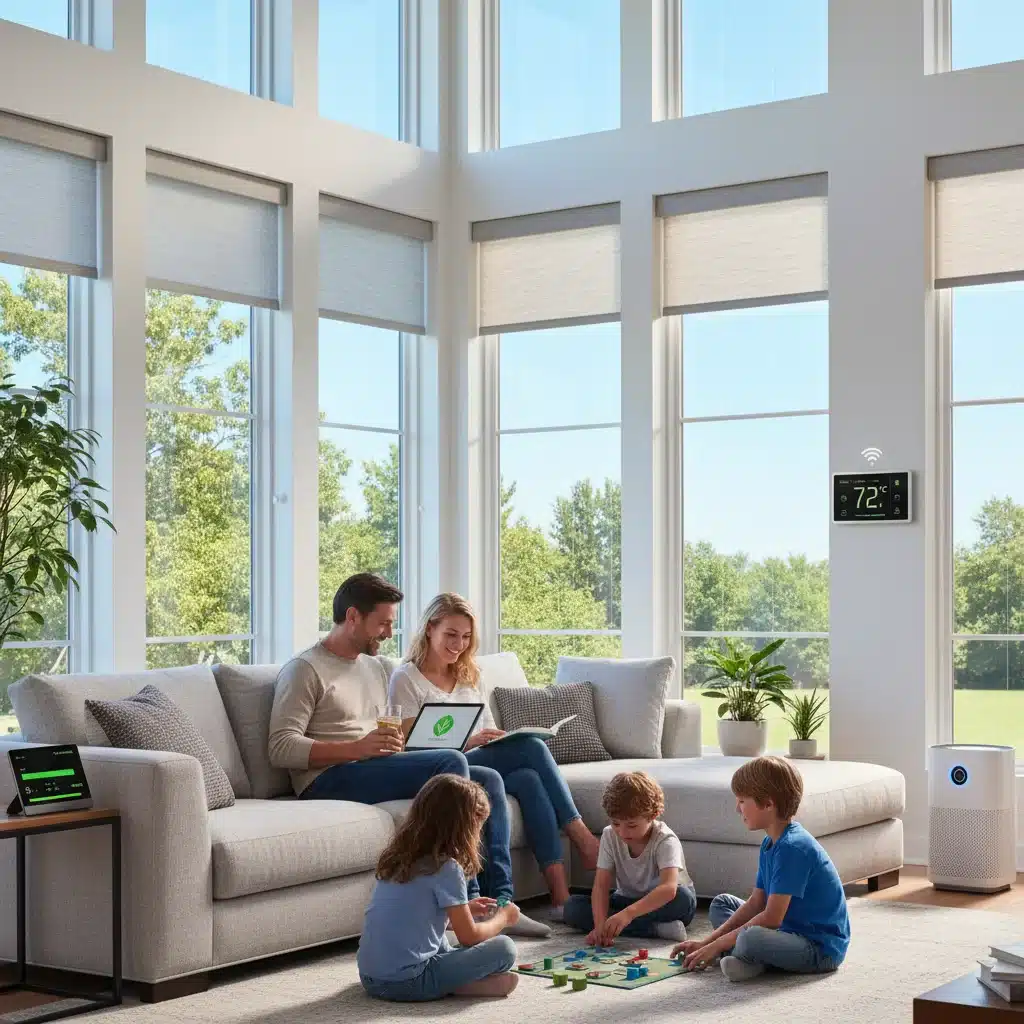
Sunlight streaming through windows is a beautiful sight, but it’s also a major source of heat gain in your home during summer. Up to 76% of the sunlight that falls on standard double-pane windows enters the home as heat. This forces your AC to work harder, directly impacting your summer energy savings potential.
- Close Blinds and Curtains: During the hottest parts of the day, keep blinds, shades, and curtains closed, especially on south and west-facing windows. Light-colored or reflective blinds are particularly effective at bouncing sunlight away.
- Install Window Treatments: Consider installing energy-efficient window treatments like cellular shades, blackout curtains, or even reflective window films. These can significantly reduce heat transfer.
Unplug “Phantom Loads”
Many electronic devices consume power even when they’re turned off but still plugged in. This phenomenon, known as “phantom load” or “vampire draw,” can account for 5-10% of your household’s electricity use. Think of phone chargers, TVs, computers, and kitchen appliances. While individually small, these add up. Unplugging devices when not in use or using smart power strips that cut power to idle electronics can contribute to your summer energy savings goals.
Use Appliances Wisely
Certain household appliances generate a significant amount of heat, making your cooling system work harder. Be mindful of when and how you use them:
- Laundry and Dishwashing: Run your dishwasher and washing machine during cooler evening or early morning hours. Use cold water whenever possible for laundry; it’s just as effective for most clothes and saves on water heating energy.
- Cooking: Opt for grilling outdoors, using a microwave, or a slow cooker instead of your oven and stovetop during peak summer heat. These alternatives generate less indoor heat.
Step 2: Smart Investments – Technology and Minor Upgrades for Enhanced Efficiency
Once you’ve implemented the quick fixes, the next step involves making strategic, often low-cost investments in technology and minor home upgrades that provide excellent returns in terms of summer energy savings. These solutions are designed to improve your home’s overall energy performance without requiring major renovations.
Upgrade to LED Lighting
If you’re still using incandescent bulbs, switching to LEDs (Light Emitting Diodes) is one of the easiest and most impactful upgrades you can make. LEDs consume up to 90% less energy than traditional bulbs and last significantly longer. Crucially, they also produce very little heat, unlike incandescents which release most of their energy as heat. Replacing just a few frequently used bulbs can noticeably reduce the heat load in your home and contribute to your summer energy savings.
Install a Smart Thermostat
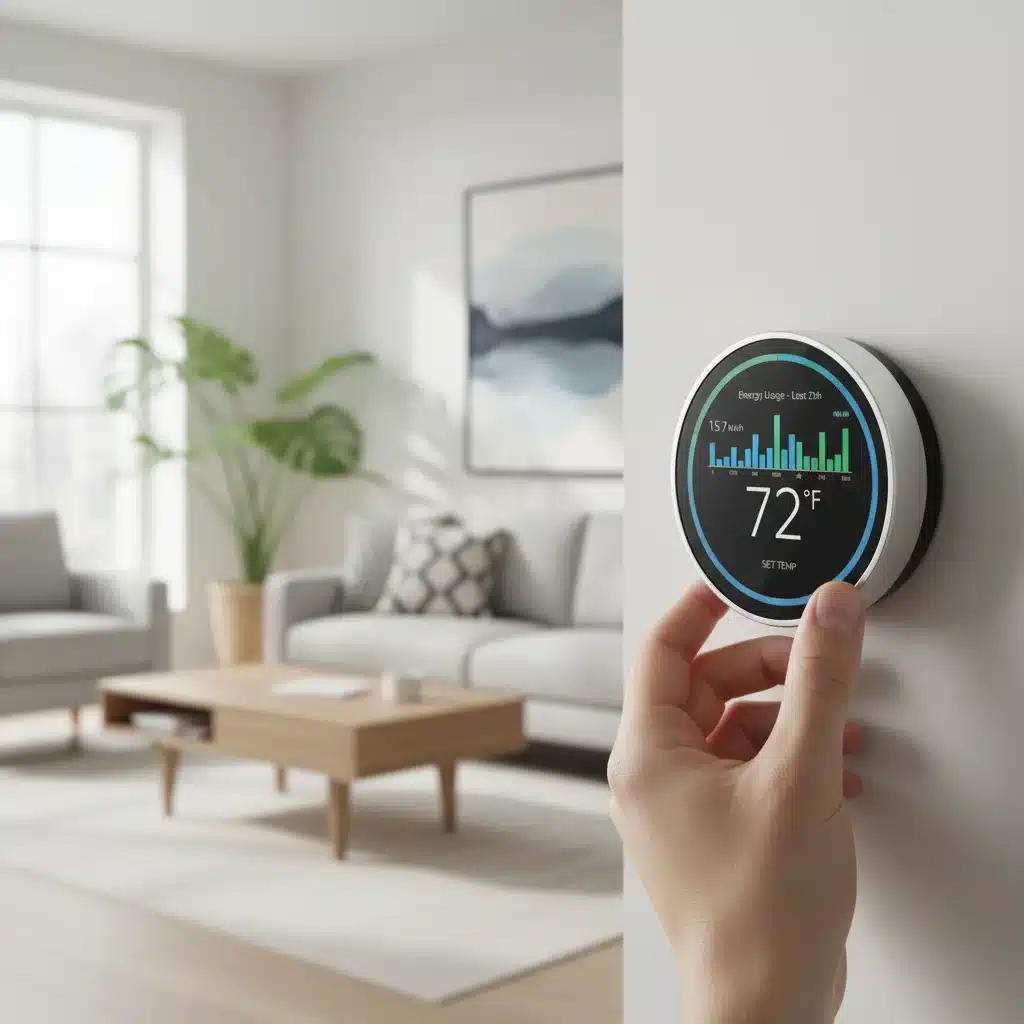
While mentioned in Step 1 as a behavioral aid, a smart thermostat is also a significant technological investment that deserves its own spotlight. Beyond simple programming, advanced smart thermostats offer features like:
- Learning Capabilities: They learn your schedule and preferences, automatically adjusting temperatures.
- Geofencing: They can detect when you leave or approach home, adjusting the temperature accordingly to save energy when you’re out and ensure comfort when you return.
- Energy Reports: Many provide detailed energy usage reports, helping you identify patterns and areas for further savings.
The initial cost of a smart thermostat is often recouped within a year or two through reduced energy bills, making it an excellent investment for long-term summer energy savings.
Improve Airflow and Ventilation
Good airflow can make a significant difference in how cool your home feels, reducing the reliance on your AC. Consider these options:
- Attic Fans: An attic fan can help pull hot air out of your attic, preventing it from radiating down into your living spaces. This can significantly reduce the workload on your air conditioner.
- Whole-House Fans: In climates with cooler evenings, a whole-house fan can be a great way to cool your home quickly and efficiently. It pulls cool air in through open windows and exhausts hot air out through the attic.
- HVAC Maintenance: Regular maintenance of your HVAC system is not an upgrade, but it’s a critical investment. Clean or replace air filters monthly during peak cooling season. A dirty filter restricts airflow and makes your system work harder, wasting energy and reducing its lifespan. Schedule professional tune-ups annually to ensure your system is running at peak efficiency, directly impacting your summer energy savings.
Seal Air Leaks
One of the most overlooked culprits for energy waste is air leakage. Gaps and cracks around windows, doors, and utility penetrations allow cool air to escape and hot air to seep in, forcing your AC to run constantly. This is a prime area for boosting your summer energy savings.
- Caulking and Weatherstripping: Inspect your windows and doors for drafts. Apply caulk to seal cracks and openings around window frames and use weatherstripping around doors to create a tight seal. This is a relatively inexpensive DIY project that can yield significant results.
- Electrical Outlets and Switch Plates: Use foam gaskets behind electrical outlet and switch plates on exterior walls to prevent air leakage.
- Duct Sealing: Leaky air ducts can waste 20-30% of the air that moves through your system. Sealing ducts with mastic or metal-backed tape (not duct tape, which degrades over time) can dramatically improve your system’s efficiency.
Step 3: Long-Term Solutions – Major Upgrades for Sustainable Energy Efficiency by 2026
For those looking to make a lasting impact and achieve the ambitious goal of 10% or more summer energy savings by 2026, investing in long-term solutions and major home improvements is key. These often require a larger upfront investment but offer substantial and sustained returns in energy efficiency and home comfort.
Improve Insulation
Proper insulation is the backbone of an energy-efficient home. It acts as a barrier, slowing the transfer of heat into your home during summer and out of it during winter. Many older homes are under-insulated, especially in the attic. Adding insulation to your attic, walls, and crawl spaces can dramatically reduce heat gain, making your cooling system work less and saving you money.
- Attic Insulation: This is often the most cost-effective insulation upgrade. Aim for an R-value appropriate for your climate zone.
- Wall Insulation: While more intrusive, insulating exterior walls can make a significant difference, especially if your home has no existing wall insulation.
Upgrade Windows
Windows are a significant source of heat transfer. If your home has old, single-pane windows, upgrading to energy-efficient models can be a game-changer for your summer energy savings. Look for windows with:
- Low-E Coatings: Low-emissivity (Low-E) coatings reflect infrared light, keeping heat out in summer and in during winter.
- Double or Triple Panes: Multiple panes with inert gas (like argon or krypton) filling the space between them provide superior insulation.
- Good U-factor and SHGC: The U-factor measures how well a window prevents heat from escaping, while the Solar Heat Gain Coefficient (SHGC) measures how much solar radiation passes through. Lower numbers are better for both.
While a significant investment, new windows can drastically reduce your cooling load and improve overall home comfort, contributing substantially to your long-term summer energy savings.

Consider a High-Efficiency HVAC System
If your air conditioning system is more than 10-15 years old, it’s likely operating inefficiently compared to modern units. Newer high-efficiency HVAC systems, such as those with a high SEER (Seasonal Energy Efficiency Ratio) rating, can offer significant summer energy savings.
- SEER Rating: Look for units with SEER ratings of 15 or higher. The higher the SEER, the more energy-efficient the unit.
- Right Sizing: Ensure your new system is properly sized for your home. An oversized unit will cycle on and off too frequently, wasting energy and not effectively dehumidifying your home. An undersized unit will run constantly and struggle to cool your home.
- Ductwork Inspection: When installing a new system, it’s an ideal time to have your ductwork inspected and sealed or replaced if necessary, as leaky ducts can negate the efficiency benefits of a new unit.
Explore Renewable Energy Options (Solar Power)
For the ultimate long-term summer energy savings and environmental impact, consider installing solar panels. While a substantial upfront investment, solar energy can significantly reduce or even eliminate your electricity bill over time. Many governments offer incentives, tax credits, and rebates to make solar more affordable, and the cost of solar technology continues to decrease.
- Net Metering: If available in your area, net metering allows you to send excess electricity generated by your solar panels back to the grid, often earning you credits on your utility bill.
- Battery Storage: For even greater independence and resilience, consider adding battery storage to your solar system.
Landscaping for Shade
Strategic landscaping can provide natural cooling and contribute to summer energy savings. Planting deciduous trees on the east, west, and south sides of your home can provide shade during the summer, reducing heat gain through windows and walls. In winter, these trees lose their leaves, allowing warming sunlight to penetrate. Shrubs and vines can also be used to shade walls and air conditioning units.
Putting It All Together: Your Roadmap to 10%+ Summer Energy Savings by 2026
Achieving a 10% reduction in your home’s energy bills by summer 2026 is an ambitious yet entirely attainable goal. By systematically implementing the strategies outlined in this 3-step guide, you can create a more comfortable, sustainable, and cost-effective living environment. Remember, consistency is key. Start with the immediate impact changes, then gradually integrate smart investments and long-term solutions as your budget and time allow.
Action Plan for Success:
- Assess Your Current Usage: Review past utility bills to understand your baseline energy consumption. Many utility companies offer online tools to track daily or hourly usage.
- Prioritize Low-Cost, High-Impact Changes: Begin with adjusting thermostat settings, optimizing fan use, and managing window coverings. These are free or very low cost and provide immediate returns on your summer energy savings.
- Conduct an Energy Audit: Consider a professional home energy audit. An auditor can identify specific areas of energy waste in your home using specialized equipment like thermal cameras and blower doors, providing a tailored roadmap for improvements. Many utility companies offer free or subsidized audits.
- Budget for Upgrades: As you identify areas for improvement, start budgeting for investments like smart thermostats, LED lighting, or sealing materials. For larger projects like new windows or HVAC systems, explore financing options, rebates, and tax credits.
- Monitor and Adjust: Continuously monitor your energy bills and usage patterns. If you have a smart thermostat, use its reporting features. Adjust your habits and settings as needed to optimize your summer energy savings further.
- Educate Your Household: Ensure everyone in your home understands the importance of energy conservation and participates in these efforts. Small changes by every family member can add up to significant savings.
By taking a proactive approach and committing to these practical solutions, you’re not just saving money; you’re also contributing to a more sustainable future. Imagine the satisfaction of opening your utility bill in summer 2026 and seeing a significantly lower number, all while enjoying a perfectly comfortable home. The power to achieve substantial summer energy savings is in your hands. Start your journey today!
Beyond the 3 Steps: Continuous Improvement and Future-Proofing Your Home
While the 3-step guide provides a robust framework, the pursuit of optimal summer energy savings is an ongoing process. As technology evolves and your home ages, there will always be new opportunities to enhance efficiency. Consider these additional avenues for continuous improvement and future-proofing your home against rising energy costs:
Smart Home Integration
Beyond smart thermostats, a fully integrated smart home system can offer unprecedented control over your energy consumption. Smart lighting, smart plugs, and even smart blinds can be automated to respond to occupancy, daylight levels, and temperature, ensuring that energy is only used when and where it’s needed. This level of granular control can push your summer energy savings even further, making your home not just efficient, but intelligent.
Water Heater Efficiency
While often associated with winter, water heating is a year-round energy consumer. In summer, a hot water heater can contribute to the overall heat load in your home, forcing your AC to work harder. Consider these options:
- Lower Thermostat Setting: Most water heaters are set higher than necessary. Lowering the temperature to 120°F (49°C) can save energy and reduce the risk of scalding.
- Insulate Your Water Heater: If your water heater tank feels warm to the touch, it’s losing heat. An insulation blanket can reduce standby heat loss by 25-45%.
- Tankless Water Heaters: For a more significant upgrade, a tankless (on-demand) water heater heats water only when you need it, eliminating standby losses and offering substantial long-term summer energy savings.
Appliance Upgrades
As your major appliances (refrigerator, dishwasher, washing machine) age, their energy efficiency tends to decline. When it’s time to replace them, prioritize models with the ENERGY STAR label. These appliances are certified to meet strict energy efficiency guidelines set by the U.S. Environmental Protection Agency and Department of Energy, meaning they use less energy and save you money over their lifetime. Even a new, energy-efficient refrigerator can offer noticeable summer energy savings.
Reflective Roof Coatings or Cool Roofs
Your roof is a major point of entry for solar heat. A dark-colored roof can absorb a significant amount of sunlight, transferring that heat into your attic and home. Installing a “cool roof” – either by using reflective paint or choosing roofing materials specifically designed to reflect solar radiation – can significantly reduce your home’s cooling load. This is a more substantial investment, often done during a roof replacement, but it offers excellent long-term summer energy savings and can even extend the life of your roof.
Educate and Engage with Your Community
Share your summer energy savings journey and tips with friends, family, and neighbors. Community-wide efforts can lead to greater collective impact and foster a culture of sustainability. Participate in local energy efficiency programs or workshops. The more people who adopt these practices, the greater the positive effect on energy grids and the environment.
Conclusion: A Cooler Home and a Brighter Future
Optimizing your home energy use for summer 2026 is more than just a financial endeavor; it’s a commitment to comfort, sustainability, and smart living. By following this 3-step guide – embracing immediate behavioral changes, making smart technological investments, and planning for long-term home improvements – you are setting yourself up for success. The goal of reducing your home’s electricity bills by 10% or more is not just achievable; it’s a stepping stone to even greater energy independence and environmental stewardship.
Every small action, from adjusting your thermostat to sealing a drafty window, contributes to the larger picture of summer energy savings. As you implement these practical solutions, you’ll not only see a tangible difference in your utility bills but also enjoy a more comfortable and resilient home. Start today, and look forward to a cooler, more affordable summer in 2026 and beyond.