Winterize Your Home: The 3-Month Plan to Save Energy in 2026
Anúncios
The chill of autumn is a beautiful prelude to winter, but it also serves as a crucial reminder: the time to prepare your home for the colder months is now. As we look towards 2026, proactive winterizing your home isn’t just about comfort; it’s about significant energy savings and safeguarding your property against harsh conditions. Many homeowners underestimate the impact of proper winter preparation, often waiting until the first frost to scramble for solutions. This reactive approach can lead to higher utility bills, costly repairs, and a less comfortable living environment. But what if you could not only keep your home warm and secure but also slash your energy expenses by up to 15%? This comprehensive 3-month plan is designed to help you do just that, offering a detailed, actionable roadmap to successfully winterize home energy savings.
Anúncios
The idea of a ‘winter-ready’ home often conjures images of complex, expensive renovations. However, the truth is that many impactful steps are simple, affordable, and can be tackled by any homeowner. From sealing drafts and insulating pipes to optimizing your heating system and managing your landscaping, every action contributes to a more efficient and resilient home. This article will guide you through a phased approach, breaking down the essential tasks month by month, allowing you to systematically address potential issues before they become major problems. By following this plan, you’ll not only enhance your home’s comfort and longevity but also make a tangible difference in your annual energy consumption. Get ready to embrace winter 2026 with confidence, knowing your home is a fortress of warmth and efficiency.
The Ultimate 3-Month Plan to Winterize Your Home and Maximize Energy Savings for 2026
Month 1: Early Autumn – The Foundation of Winter Preparedness
The first month of our plan, typically September or early October, is all about laying a strong foundation. This involves assessments, preventative maintenance, and addressing the most obvious vulnerabilities in your home’s thermal envelope. Focusing on these critical areas early ensures you have ample time to complete tasks without the pressure of impending cold weather. The goal is to identify and mitigate major heat loss points, which are often the easiest to fix but yield the biggest returns in terms of winterize home energy savings.
Anúncios
Phase 1: Exterior Inspection and Sealing
Your home’s exterior is its first line of defense against winter’s onslaught. A thorough inspection can reveal numerous areas where cold air can infiltrate and warm air can escape. Start by walking around your entire house, looking for cracks, gaps, and deterioration.
- Check Windows and Doors: Inspect all windows and doors for drafts. A simple trick is to light an incense stick and hold it near the frames; if the smoke wavers, you have a draft. Replace worn weatherstripping and caulk around frames as needed. This is one of the most cost-effective ways to prevent heat loss. Consider adding storm windows or heavy curtains for an extra layer of insulation.
- Seal Cracks and Gaps: Pay close attention to areas where different materials meet, such as around utility penetrations (pipes, wires), dryer vents, and foundation cracks. Use exterior-grade caulk for small gaps and expanding foam for larger ones. Even tiny openings can contribute significantly to heat loss.
- Inspect Siding and Roof: Look for loose or damaged siding panels that could allow cold air in. Check your roof for missing or damaged shingles, which can lead to leaks when snow melts and refreezes. While you might not fix major roof issues yourself, identifying them early allows time to call a professional before winter hits.
- Clean Gutters and Downspouts: Clogged gutters can lead to ice dams, which can cause water to back up under your roof and into your home. Clear out leaves, twigs, and debris to ensure proper drainage. Extend downspouts away from the foundation to prevent water from pooling and freezing, which can damage your foundation.
Phase 2: HVAC System Tune-Up and Air Quality
Your heating, ventilation, and air conditioning (HVAC) system is the heart of your home’s winter comfort. Ensuring it’s in top condition is paramount for efficiency and safety. This is a crucial step in achieving significant winterize home energy savings.
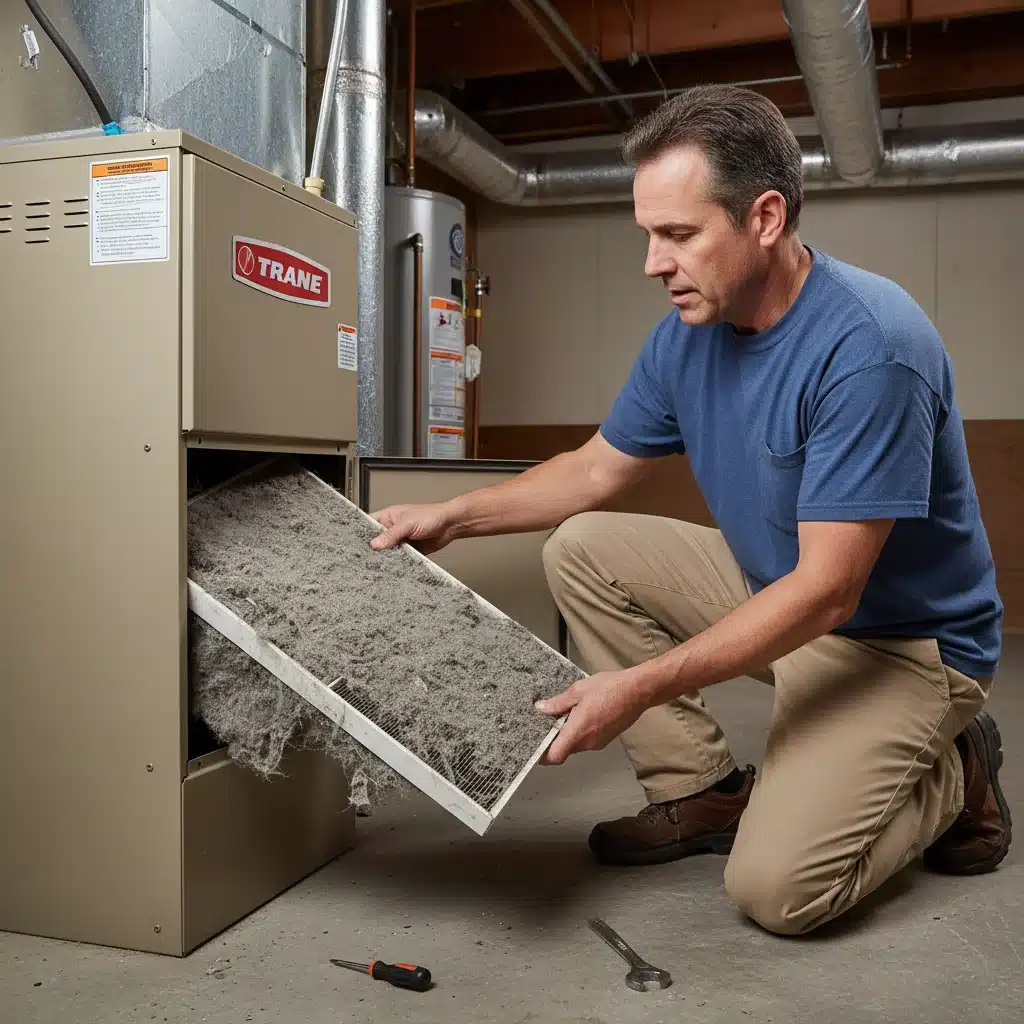
- Professional Furnace Inspection: Schedule a professional HVAC technician to inspect and tune up your furnace. They will clean components, check for leaks, test carbon monoxide levels, and ensure everything is running efficiently. This can prevent breakdowns during the coldest days and extend the life of your unit.
- Change Air Filters: Replace your furnace filter monthly during peak heating season. A dirty filter restricts airflow, forcing your furnace to work harder and consume more energy. This simple task is incredibly effective for maintaining efficiency and improving indoor air quality.
- Inspect Ducts: Check exposed ductwork in your basement, attic, or crawl space for leaks or disconnections. Seal any gaps with mastic sealant or metallic tape (not duct tape, as it degrades over time). Leaky ducts can lose up to 30% of your heated air before it even reaches your living spaces.
- Test Carbon Monoxide Detectors: Ensure all carbon monoxide detectors are working correctly and have fresh batteries. Furnaces can produce carbon monoxide, an odorless, colorless gas that can be deadly.
Month 2: Mid-Autumn – Enhancing Insulation and Water Systems
As temperatures begin to drop more consistently, Month 2 (typically October to early November) focuses on insulation, protecting your plumbing, and optimizing other energy-consuming appliances. These steps directly impact your home’s ability to retain heat and prevent costly water damage, further contributing to your overall winterize home energy savings strategy.
Phase 3: Insulation and Draft Proofing
Even after sealing obvious cracks, there are deeper layers of your home that need attention to prevent heat loss. Insulation is key to maintaining a consistent indoor temperature without overworking your heating system.
- Attic Insulation Check: The attic is often the biggest culprit for heat loss. Check your attic insulation levels. Most homes should have between 10-14 inches of insulation, depending on your climate zone. If it’s less, consider adding more. Ensure insulation isn’t blocking soffit vents, which are essential for attic ventilation.
- Insulate Pipes: Exposed pipes in unheated areas (basements, crawl spaces, garages) are vulnerable to freezing and bursting. Wrap them with foam pipe insulation, readily available at hardware stores. This is a small investment that can prevent thousands of dollars in water damage.
- Seal Electrical Outlets and Switches: Many older homes have drafts coming through electrical outlets and switch plates on exterior walls. Install foam gaskets behind these covers to block cold air infiltration.
- Check Fireplace Dampers: If you have a wood-burning fireplace, ensure the damper seals tightly when not in use. An open damper is like having a window open all winter, allowing warm air to escape up the chimney. Consider an inflatable chimney balloon if your damper is leaky or you rarely use the fireplace.
Phase 4: Water System Protection and Optimization
Water damage from frozen pipes is one of the most common and expensive winter problems. Taking steps to protect your plumbing is non-negotiable for a safe and efficient winter.
- Drain Outdoor Faucets and Hoses: Disconnect all garden hoses from outdoor spigots. Turn off the water supply to outdoor faucets from an indoor shut-off valve (usually in the basement or utility room) and then open the outdoor spigot to drain any remaining water. This prevents water from freezing in the pipes and causing them to burst.
- Insulate Water Heater: If your water heater is older and doesn’t have much insulation, consider wrapping it with an insulating blanket. This can reduce standby heat loss by 25-45% and save you money on water heating costs. Make sure not to cover the thermostat or burner compartment.
- Lower Water Heater Temperature: Most water heaters are set to 140°F (60°C) by default, but 120°F (49°C) is sufficient for most households and can save you energy. This small adjustment can contribute to your winterize home energy savings.
- Consider a Sump Pump Check: If your home has a sump pump, ensure it’s functioning correctly. Winter thaws can bring significant water, and a working sump pump is vital for preventing basement flooding.
Month 3: Late Autumn – Final Touches and Ongoing Efficiency
As winter approaches in late autumn (typically November to early December), Month 3 is about those final preparations, setting up smart systems, and establishing habits that will continue to save energy throughout the coldest months. These actions are the culmination of your efforts to truly winterize home energy savings.
Phase 5: Smart Home Integration and Landscape Management
Leveraging technology and managing your outdoor environment can significantly enhance your home’s winter performance.
- Install a Smart Thermostat: If you haven’t already, install a programmable or smart thermostat. These devices allow you to set schedules, adjust temperatures remotely, and learn your habits to optimize heating, leading to substantial energy savings.
- Window Management: Maximize passive solar gain by opening curtains and blinds on south-facing windows during sunny winter days to let in warmth. Close them at night and on cloudy days to provide an extra layer of insulation against heat loss.
- Reverse Ceiling Fan Direction: In winter, set your ceiling fans to rotate clockwise at a low speed. This pushes warm air that rises to the ceiling back down into the living space, making the room feel warmer and reducing the need for your furnace to work as hard.
- Trim Trees and Shrubs: Trim branches that are close to your house or power lines. Heavy snow and ice can cause branches to break, potentially damaging your roof or causing power outages. This also allows more sunlight to reach your home, aiding in passive heating.
Phase 6: Emergency Preparedness and Ongoing Maintenance
No matter how well you prepare, winter can bring unexpected challenges. Having an emergency plan and maintaining vigilance throughout the season is crucial.
- Prepare an Emergency Kit: Assemble an emergency kit with flashlights, extra batteries, a first-aid kit, blankets, non-perishable food, and bottled water. Power outages are common during severe winter storms.
- Know Your Shut-Off Valves: Ensure everyone in the household knows where the main water shut-off valve is located. In case of a burst pipe, knowing how to quickly turn off the water can minimize damage. Also, know the location of your main electrical panel.
- Stock Up on Winter Essentials: Purchase rock salt or an ice melt alternative for walkways and driveways. Make sure your snow shovel is in good condition, or service your snowblower.
- Regularly Monitor Energy Usage: Keep an eye on your energy bills. Many utility companies offer online tools to track your daily or hourly energy consumption. This can help you identify spikes and adjust your habits to maintain your winterize home energy savings.
- Check for Drafts Periodically: Even with initial sealing, new drafts can appear, or old seals can degrade. Do a quick draft check on particularly windy days to catch any new problem areas.
Beyond the 3-Month Plan: Long-Term Winterizing Strategies
While the 3-month plan covers immediate and crucial preparations, thinking long-term can further amplify your winterize home energy savings and improve your home’s resilience for years to come. These are investments that pay dividends over time.
- Window Upgrades: If your budget allows, consider upgrading to energy-efficient windows (double or triple-pane with low-emissivity coatings). These can dramatically reduce heat loss and improve comfort, though it’s a significant investment.
- Enhanced Wall Insulation: For older homes with little to no wall insulation, consider having insulation blown into wall cavities. This can be a game-changer for thermal performance.
- High-Efficiency Heating System: When your current furnace or boiler reaches the end of its lifespan, invest in a high-efficiency model. Modern heating systems are far more efficient than older units, offering substantial long-term savings.
- Energy Audit: Consider a professional home energy audit. An auditor uses specialized equipment, like thermographic cameras, to pinpoint exact areas of heat loss and recommend the most effective improvements for your specific home.
- Zoning Systems: For larger homes, a zoning system allows you to heat different areas of your house independently. This means you only heat the rooms you’re using, preventing wasted energy in unoccupied spaces.
- Renewable Energy Integration: Explore options like solar panels. While the upfront cost is higher, they can significantly offset your electricity bills, including those from heating, and provide energy independence.
The Financial Benefits: How 15% Savings Add Up
Achieving a 15% reduction in your energy bills through effective winterizing isn’t just a number; it translates into tangible financial benefits. Let’s put this into perspective. If your average monthly energy bill during winter is $200, a 15% saving means you’re cutting $30 off that bill. Over a typical five-month heating season, that’s $150 back in your pocket. Annually, these savings accumulate, and over the lifespan of your home, these small, consistent savings can amount to thousands of dollars. This money can be reinvested into further home improvements, saved, or simply enjoyed. Beyond the direct savings, a well-maintained, energy-efficient home often has a higher resale value, appealing to potential buyers who prioritize lower operating costs and comfort. The upfront investment in weatherstripping, caulk, insulation, and professional tune-ups is minimal compared to the long-term returns, making winterize home energy savings a smart financial decision.
Conclusion: A Warm, Efficient, and Cost-Effective Winter Awaits in 2026
Preparing your home for winter doesn’t have to be a daunting task. By following this structured 3-month plan, you can systematically address every aspect of your home’s winter readiness, from exterior vulnerabilities to internal systems and ongoing maintenance. The benefits extend far beyond just comfort; you’ll significantly reduce your energy consumption, protect your home from costly damage, and enjoy substantial financial savings, potentially up to 15% on your energy bills for 2026 and beyond. Remember, proactive preparation is the key to a stress-free winter. Start early, work through the phases, and equip your home to stand strong against the coldest months. By embracing these strategies, you’ll not only create a more comfortable and secure living environment for your family but also contribute to a more sustainable future. Don’t wait for the first snowflake to fall; begin your journey to a fully winterized, energy-efficient home today and experience the peace of mind that comes with being truly prepared. Your efforts to winterize home energy savings will be well rewarded.