2026 Energy Bill Assistance: Navigating LIHEAP and Other Programs

Anúncios
2026 Energy Bill Assistance: Navigating LIHEAP and Other Programs
As we approach 2026, many households across the nation continue to grapple with the persistent challenge of rising energy costs. The burden of heating and cooling a home can place significant strain on monthly budgets, especially for low-income families, seniors, and individuals with disabilities. Understanding the landscape of available energy bill assistance programs is not just helpful; it’s often essential for maintaining comfort and financial stability. This comprehensive guide will delve into the various avenues for support, with a particular focus on the Low Income Home Energy Assistance Program (LIHEAP), while also exploring state-specific initiatives, utility company programs, and other practical solutions to help you manage your energy expenses in 2026.
Anúncios
The quest for effective energy bill assistance can feel overwhelming, given the multitude of programs and the varying eligibility criteria. However, with the right information and a systematic approach, securing the aid you need is entirely achievable. Our goal is to demystify this process, providing clear, actionable steps and insights into how you can access the financial support designed to keep your lights on and your home comfortable, regardless of the season.
Whether you’re struggling with a sudden increase in utility rates, facing an unexpected financial hardship, or simply looking to optimize your household budget, this article will serve as your go-to resource. We’ll cover everything from the federal backbone of energy assistance to localized efforts, ensuring you have a holistic view of the resources available to you. Let’s embark on this journey to empower you with the knowledge and tools necessary to navigate energy bill assistance effectively in 2026.
Anúncios
Understanding LIHEAP: Your Primary Federal Energy Bill Assistance Resource
The Low Income Home Energy Assistance Program (LIHEAP) stands as the cornerstone of federal energy bill assistance in the United States. Funded by the U.S. Department of Health and Human Services (HHS), LIHEAP provides critical aid to low-income households to help them cover their home energy costs. This program is not a one-size-fits-all solution but rather a flexible block grant that states, territories, and tribal organizations receive to design and implement programs tailored to the specific needs of their communities.
What Does LIHEAP Cover?
LIHEAP typically offers assistance in several key areas:
- Heating Assistance: This is often the most significant component, helping households pay for fuel sources like electricity, natural gas, propane, oil, wood, and coal during colder months.
- Cooling Assistance: In warmer climates or during summer heatwaves, LIHEAP can provide aid to help households manage their air conditioning costs, preventing heat-related illnesses.
- Crisis Assistance: For households facing immediate energy crises, such as a utility shut-off notice or a lack of fuel, LIHEAP can provide emergency funds to restore or prevent service interruption.
- Weatherization and Energy-Related Home Repairs: Some LIHEAP funds are allocated towards making homes more energy-efficient, which can include repairs to heating and cooling systems, insulation upgrades, and other measures to reduce overall energy consumption and lower future bills.
Eligibility Requirements for LIHEAP in 2026
Eligibility for LIHEAP is primarily based on income, household size, and the type of energy used for heating or cooling. While federal guidelines provide a framework, specific income thresholds are determined at the state and local levels. Generally, households with incomes at or below 150% of the federal poverty level or 60% of the state’s median income are eligible. However, some states may have slightly different criteria, so it’s crucial to check with your local LIHEAP office.
Other factors that may influence eligibility include:
- Household Composition: Households with vulnerable individuals, such as young children, the elderly, or people with disabilities, often receive priority.
- Energy Burden: The proportion of a household’s income spent on energy costs can also be a factor, with those facing a high energy burden more likely to qualify for substantial energy bill assistance.
How to Apply for LIHEAP in 2026
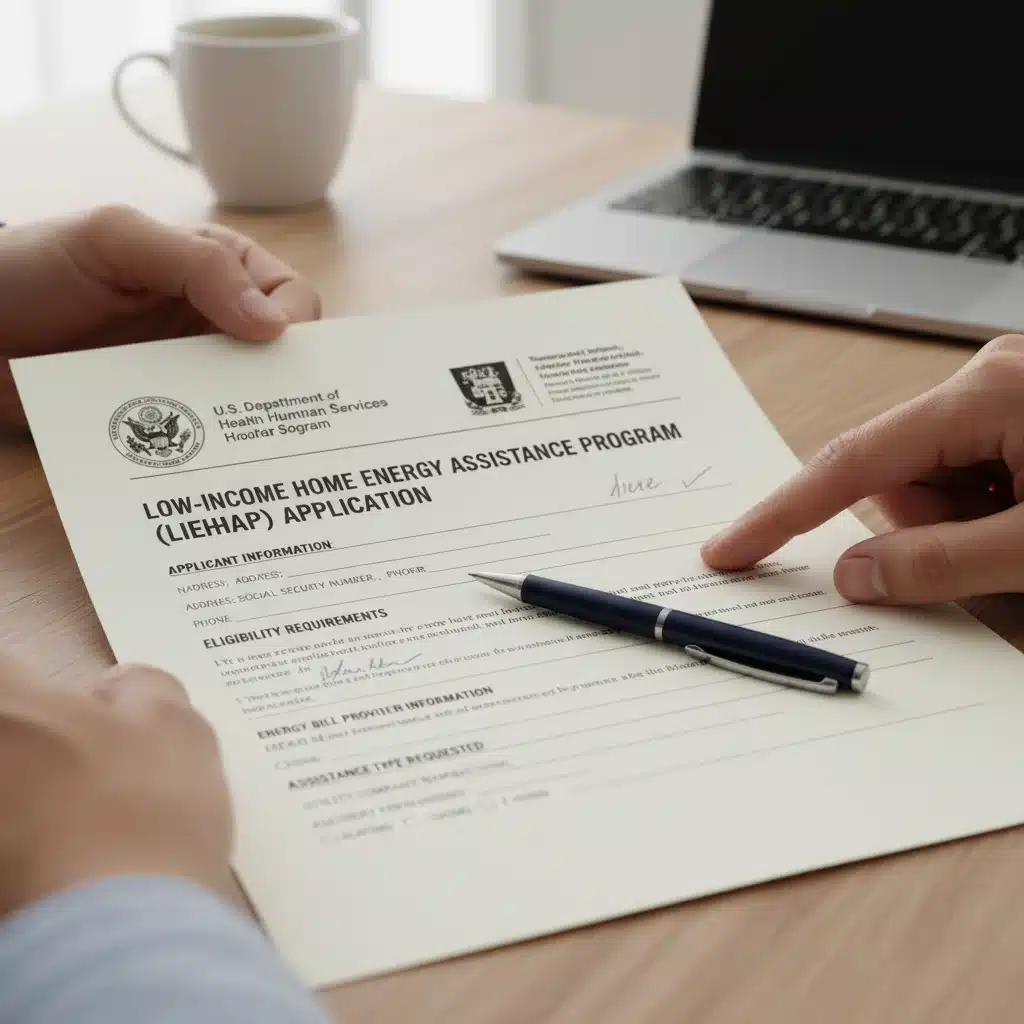
The application process for LIHEAP typically involves:
- Locating Your Local Agency: LIHEAP is administered by state and local agencies. You can find your local LIHEAP office by visiting the ACF LIHEAP website or by calling the National Energy Assistance Referral (NEAR) project at 1-866-674-6327.
- Gathering Required Documents: Be prepared to provide proof of income (pay stubs, tax returns, social security statements), household size (birth certificates, identification), residency (utility bills, lease agreements), and energy bills.
- Submitting Your Application: Applications can often be submitted online, by mail, or in person. It’s advisable to apply as soon as possible, as funds are limited and distributed on a first-come, first-served basis in many areas.
- Follow-Up: After submitting, keep a record of your application and follow up with the agency if you don’t hear back within their stated timeframe.
Understanding and navigating LIHEAP is the first crucial step in securing federal energy bill assistance. Its widespread availability and comprehensive support make it an indispensable resource for many households.
State and Local Energy Bill Assistance Programs Beyond LIHEAP
While LIHEAP provides a crucial federal safety net, many states and local municipalities offer their own supplementary energy bill assistance programs. These programs can often fill gaps, provide additional aid, or cater to specific demographics not fully covered by federal initiatives. Exploring these localized options is vital for maximizing your chances of receiving comprehensive support.
Types of State and Local Programs
- State-Specific Energy Assistance Funds: Many states allocate their own funds to create energy assistance programs, often with eligibility criteria that may be slightly different or more inclusive than LIHEAP. These programs might focus on specific energy types, such as natural gas or electricity, or be designed to address unique regional challenges.
- Crisis Intervention Programs: Beyond LIHEAP’s crisis assistance, some states have dedicated emergency funds to prevent utility shut-offs or restore services during severe weather events or financial emergencies.
- Weatherization Programs: While LIHEAP includes a weatherization component, many states also run independent weatherization programs. These initiatives focus on improving home energy efficiency through measures like insulation, sealing air leaks, and upgrading heating/cooling systems, leading to long-term savings on energy bill assistance.
- Percentage of Income Payment Plans (PIPP): Some states offer PIPP programs, which allow eligible low-income households to pay a fixed percentage of their income towards their utility bills, making energy costs more predictable and affordable. The utility company then covers the difference.
- Senior and Disability-Specific Programs: Many states recognize the particular vulnerabilities of seniors and individuals with disabilities and offer tailored programs, sometimes with less stringent income requirements or additional benefits.
How to Find State and Local Programs
Discovering these programs requires a bit of research, but the effort can yield significant results:
- State Energy Offices: Your state’s energy department or public utility commission website is an excellent starting point. They often list available programs and resources.
- 211 Service: Dialing 211 connects you to a local operator who can provide information on various social services, including energy bill assistance programs in your area. This is a free and confidential service available in most parts of the U.S.
- Community Action Agencies (CAAs): These local non-profit organizations are often the direct administrators of LIHEAP and other state-funded programs. They are invaluable resources for information and application assistance.
- Local Government Websites: Your city or county government website might have information on local grants or programs.
Combining federal and state/local resources can create a robust safety net, ensuring you have access to the maximum possible energy bill assistance.
Utility Company Energy Bill Assistance Programs
Beyond government-funded initiatives, many utility companies themselves offer a variety of programs to assist their customers with high energy bills. These programs are often designed to help customers facing temporary hardship, chronic low income, or those needing assistance with energy efficiency improvements. It’s crucial to reach out directly to your electricity, natural gas, or heating oil provider to inquire about their specific offerings for energy bill assistance.
Common Utility Company Programs
- Arrearage Management Programs (AMPs): These programs help customers pay off past-due balances. Often, if a customer makes consistent on-time payments for a certain period, a portion of their old debt is forgiven.
- Payment Arrangements and Extensions: If you’re facing a temporary financial setback, your utility company may be willing to set up a payment plan that extends your due date or allows you to pay your bill in installments, preventing service disconnection.
- Discounted Rates for Low-Income Customers: Some utility companies offer special rates or discounts to eligible low-income households, reducing the overall cost of their energy bill assistance.
- Energy Efficiency Rebates and Audits: Many utilities provide free or low-cost home energy audits to identify areas where energy is being wasted. They may also offer rebates for upgrading to energy-efficient appliances, insulation, or smart thermostats, which can significantly lower long-term energy costs.
- Third-Party Bill Payment Programs: Utilities often partner with local non-profits or charities to administer funds for customers in need. These programs rely on donations from customers and utility shareholders.
- Medical Hardship Programs: For customers with medical conditions that require consistent heating or cooling, some utilities offer special protections against shut-offs or provide additional assistance.
How to Access Utility Company Assistance
The best way to learn about and access these programs is to:
- Contact Your Utility Provider Directly: Call the customer service number on your bill. Ask specifically about financial assistance programs, payment plans, and energy efficiency incentives.
- Visit Their Website: Most utility companies have a dedicated section on their website detailing customer assistance programs. Look for terms like “payment assistance,” “energy saving programs,” or “low-income support.”
- Don’t Wait for a Shut-Off Notice: Proactive communication is key. If you anticipate difficulty paying your bill, contact your utility company before you fall behind. They are often more willing to work with customers who reach out early.
Utility company programs are a vital component of the overall energy bill assistance landscape, offering direct relief and long-term savings to their customers.
Non-Profit and Charitable Organizations Offering Energy Bill Assistance
Beyond government and utility company programs, a robust network of non-profit and charitable organizations also plays a crucial role in providing energy bill assistance to those in need. These organizations often work in conjunction with existing programs or fill specific niches, offering additional support or addressing immediate crises.
Key Organizations and Their Contributions
- Salvation Army: The Salvation Army offers various forms of emergency financial assistance, which can include help with utility bills, rent, and food. Their local corps community centers are usually the first point of contact.
- Catholic Charities: Similar to the Salvation Army, Catholic Charities provides a wide range of social services, including emergency financial assistance for utility bills, often serving as a local partner for state or federal programs.
- United Way: The United Way often acts as a community hub, connecting individuals to local resources through its 211 service or by funding local agencies that provide direct energy bill assistance.
- Local Churches and Faith-Based Organizations: Many local churches and other faith-based groups have outreach programs that offer direct financial aid or connect individuals with resources for utility bill support.
- Community Action Agencies (CAAs): As mentioned earlier, CAAs are often the front line for LIHEAP, but they also frequently administer other local charitable funds for energy assistance.
- Specific Energy Funds: Some areas have dedicated non-profit funds specifically created to help with utility bills, often supported by community donations and utility company contributions.
How to Access Non-Profit Assistance
Accessing help from these organizations typically involves:
- Contacting Them Directly: Reach out to the local branch of organizations like the Salvation Army or Catholic Charities. They will guide you through their application process and eligibility requirements.
- Using 211: The 211 service is an excellent resource for identifying local non-profits and charities that offer energy bill assistance in your specific area.
- Asking Your Utility Company: Your utility company might be able to refer you to local charitable organizations they partner with for bill payment assistance.
These organizations often provide a critical bridge for individuals and families facing immediate financial hardship, complementing broader government programs and offering a holistic approach to energy bill assistance.
Practical Steps to Reduce Your Energy Bills Proactively
While securing energy bill assistance is crucial, implementing strategies to reduce your overall energy consumption can provide long-term financial relief and lessen your reliance on aid programs. Proactive energy management is a powerful tool in controlling household expenses.
No-Cost and Low-Cost Energy Saving Tips
- Adjust Your Thermostat: Set your thermostat a few degrees lower in winter and a few degrees higher in summer. Even a small adjustment can lead to significant savings. Consider using a programmable or smart thermostat to automate these changes.
- Seal Air Leaks: Use caulk or weatherstripping to seal gaps around windows, doors, and other openings. This prevents drafts and keeps conditioned air inside your home.
- Unplug “Vampire” Electronics: Many electronics consume power even when turned off but still plugged in. Unplug chargers, TVs, and other devices when not in use.
- Optimize Lighting: Switch to LED light bulbs, which use significantly less energy and last longer than traditional incandescent bulbs. Turn off lights when leaving a room.
- Manage Water Heating: Lower your water heater thermostat to 120°F (49°C). Take shorter showers and wash clothes in cold water when possible.
- Maintain HVAC Systems: Regularly change HVAC filters (monthly or every three months). Clean vents and ensure they are not blocked by furniture.
- Open/Close Curtains Strategically: In winter, open curtains on south-facing windows during the day to let in sunlight and close them at night to retain heat. In summer, do the opposite to keep heat out.
Investments in Energy Efficiency (with potential for rebates)
- Insulation Upgrades: Adding insulation to your attic, walls, and crawl spaces can dramatically improve your home’s thermal performance, reducing both heating and cooling costs.
- Window and Door Replacement: Upgrading to energy-efficient windows and doors can reduce heat loss in winter and heat gain in summer. Look for ENERGY STAR certified products.
- Appliance Upgrades: When replacing old appliances, opt for ENERGY STAR certified models, which are designed to be more energy-efficient.
- Smart Home Technology: Beyond smart thermostats, smart power strips and lighting systems can help you monitor and control energy usage more effectively.
Remember to check for available rebates from your utility company or state energy office for these energy-efficient upgrades, as they can significantly offset the initial cost and make these investments more accessible. Proactive steps to reduce consumption, combined with accessing energy bill assistance when needed, create a powerful two-pronged approach to managing your home energy costs.
Navigating the Application Process and Overcoming Challenges
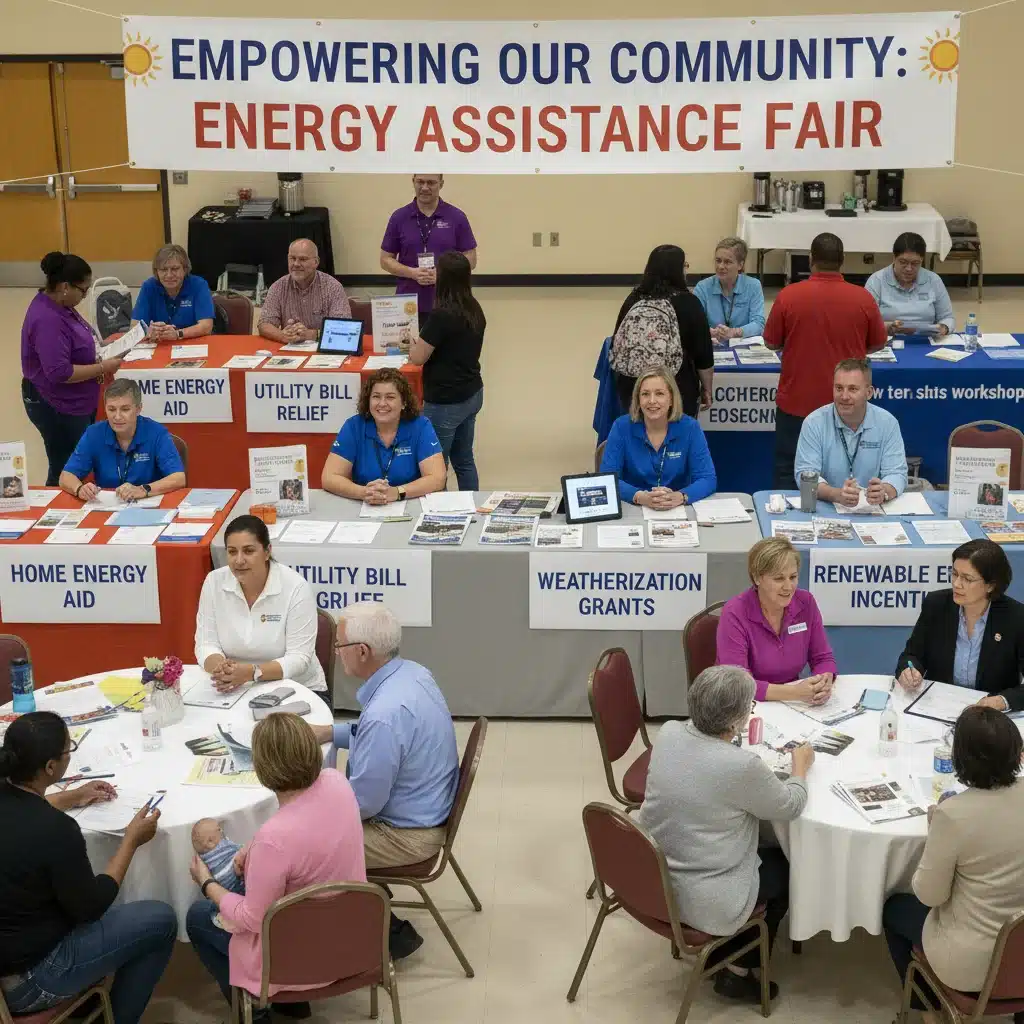
Applying for energy bill assistance can sometimes be a complex process, but understanding common pitfalls and best practices can significantly improve your chances of success. Being prepared and persistent are key.
Common Application Challenges and How to Address Them
- Missing Documentation: The most frequent reason for application delays or rejections is incomplete documentation. Always double-check the required documents list and provide clear copies. If you’re missing something, contact the agency immediately to see if alternatives are accepted.
- Meeting Income Thresholds: Income eligibility can be strict. If your income fluctuates, provide documentation that reflects your current financial situation. If you’re slightly above the LIHEAP threshold, explore state, local, or utility-specific programs which might have different criteria.
- Deadlines and Funding Limits: Many programs, especially LIHEAP, operate with limited funds and have application periods. Apply as early as possible once the application window opens. If funds run out, ask if there’s a waiting list or if they can refer you to other programs.
- Communication Barriers: If you have language barriers or difficulty understanding the application, ask for assistance. Many agencies have bilingual staff or can provide translation services. Community Action Agencies are excellent resources for hands-on help.
- Denial of Application: If your application for energy bill assistance is denied, don’t give up. Ask for the specific reason for the denial. You may have the right to appeal the decision, or you might be eligible for a different program.
Tips for a Smooth Application
- Start Early: Don’t wait until you’re facing a shut-off notice. Begin researching and gathering documents well in advance of when you anticipate needing assistance.
- Organize Your Documents: Keep all necessary paperwork (proof of income, ID, utility bills, lease agreements, etc.) in a single folder or digital file for easy access.
- Be Honest and Thorough: Provide accurate information on your application. Any discrepancies could lead to delays or denial.
- Keep Records: Make copies of everything you submit. Note down the dates you applied, who you spoke with, and any reference numbers.
- Seek Assistance: If you’re struggling with the application process, reach out to your local Community Action Agency, 211, or other support organizations. They are there to help.
Successfully navigating the application process for energy bill assistance requires diligence and preparation. By understanding the common hurdles and employing these tips, you can increase your likelihood of receiving the support you need.
Future Outlook for Energy Bill Assistance in 2026 and Beyond
The landscape of energy bill assistance is dynamic, influenced by economic conditions, energy prices, and policy changes. As we look towards 2026 and beyond, several trends and considerations may shape the availability and structure of these vital programs.
Potential Influences on Energy Assistance
- Inflation and Energy Costs: Persistent inflation and fluctuations in global energy markets will continue to impact the cost of electricity, natural gas, and other fuels, potentially increasing the demand for energy bill assistance.
- Climate Change and Extreme Weather: More frequent and intense extreme weather events (heatwaves, cold snaps) will likely increase both energy consumption and the need for crisis assistance, putting pressure on existing programs.
- Federal Funding Levels: The level of federal appropriations for programs like LIHEAP is subject to congressional decisions. Advocacy for sustained or increased funding will be crucial to meet ongoing needs.
- State and Local Budget Constraints: State and local governments’ ability to fund their own programs will depend on their fiscal health, which can be impacted by economic downturns or revenue shortfalls.
- Technological Advancements: The adoption of smart home technologies, renewable energy sources, and grid modernization efforts could influence how energy is consumed and how assistance programs are structured. For example, some programs might focus more on supporting solar panel installations for low-income households.
- Focus on Energy Efficiency: There’s a growing recognition that long-term solutions lie in reducing energy consumption. Expect to see continued emphasis on weatherization and energy efficiency programs as a form of sustainable energy bill assistance.
- Digitalization of Services: The trend towards online applications and digital portals for assistance programs will likely continue, improving accessibility for some while potentially creating challenges for others without internet access.
Advocacy and Community Involvement
Remaining informed and engaging with local advocacy groups can play a role in shaping future energy bill assistance policies. Community action and support are essential to ensure these programs remain robust and responsive to the evolving needs of vulnerable populations.
While the future brings uncertainties, the commitment to providing energy bill assistance remains a critical component of social welfare. By staying informed, actively seeking help, and advocating for strong programs, individuals and communities can continue to navigate the challenges of energy costs effectively.
Conclusion: Empowering Yourself with Energy Bill Assistance
Navigating the complexities of energy bill assistance in 2026 doesn’t have to be a daunting task. By understanding the array of programs available—from the federal reach of LIHEAP to state-specific initiatives, utility company offerings, and the compassionate support of non-profit organizations—you can empower yourself to secure the financial help needed to keep your home comfortable and your finances stable. The journey begins with knowledge and proactive engagement.
Remember, the goal is not just to receive temporary relief but also to implement sustainable practices that reduce your long-term energy burden. Combining immediate energy bill assistance with smart energy-saving habits creates a comprehensive strategy for managing your household’s energy needs effectively. Don’t hesitate to reach out to the resources mentioned in this guide; assistance is available, and you don’t have to face rising energy costs alone.
By taking these steps, you contribute not only to your own household’s well-being but also to the broader community’s resilience in the face of economic and environmental challenges. Stay informed, stay proactive, and leverage the robust network of energy bill assistance programs designed to support you.