Achieve Optimal Indoor Air Quality: 4 Essential Tips for 2026
Anúncios
Achieve Optimal Indoor Air Quality: 4 Essential Tips for 2026
In an era where we spend a significant portion of our lives indoors, the quality of the air we breathe within our homes and workplaces has become an increasingly critical concern. As we step into 2026, the focus on creating a healthy indoor environment is more pronounced than ever. Poor indoor air quality can lead to a myriad of health issues, ranging from mild allergies and respiratory discomfort to more severe long-term conditions. Understanding the sources of indoor air pollution and implementing effective strategies to mitigate them is paramount for our well-being. This comprehensive guide will delve into four essential tips to help you achieve optimal indoor air quality in 2026, ensuring a healthier and more comfortable living space for you and your loved ones.
Anúncios
The air outside is often perceived as the primary source of pollution, but the reality is that indoor air can be two to five times more polluted than outdoor air, and in some cases, even 100 times more polluted. This startling fact highlights the urgent need for proactive measures to improve the air within our enclosed spaces. Factors such as inadequate ventilation, indoor combustion sources, building materials, furnishings, cleaning products, and even our own activities contribute to the complex cocktail of indoor pollutants. From volatile organic compounds (VOCs) emitted by paints and new furniture to allergens like dust mites, pet dander, and mold spores, the list of potential indoor contaminants is extensive.
The good news is that improving indoor air quality doesn’t require drastic, expensive overhauls. Often, it involves a combination of simple, consistent practices and smart investments. By focusing on these four key areas, you can significantly transform your living environment and safeguard your health. Let’s explore these essential tips that will guide you towards a breath of fresh air in 2026 and beyond.
Anúncios
Tip 1: Identify and Eliminate Indoor Air Pollutant Sources
The first and most crucial step in improving your indoor air quality is to understand what’s polluting it in the first place. Many common household items and activities contribute to indoor air pollution without us even realizing it. Identifying these sources allows for targeted elimination or reduction, which is far more effective than simply trying to filter out pollutants after they’ve been released.
Common Indoor Pollutants and Their Sources:
- Volatile Organic Compounds (VOCs): These are gases emitted from certain solids or liquids. VOCs include a variety of chemicals, some of which may have short- and long-term adverse health effects. Sources include paints, varnishes, wax, cleaning supplies, disinfectants, glues, adhesives, permanent markers, photographic solutions, office equipment (copiers, printers), correction fluids, carbonless copy paper, and craft materials (glues, paints). New furniture, carpets, and building materials are also significant contributors.
- Combustion Byproducts: Carbon monoxide (CO), nitrogen dioxide (NO2), and particulate matter are released from unvented or malfunctioning combustion appliances. These include gas stoves, ovens, clothes dryers, fireplaces, wood stoves, and space heaters. Tobacco smoke is another major source of combustion byproducts.
- Biological Pollutants: Mold, mildew, dust mites, pet dander, and pollen are common biological contaminants. Mold and mildew thrive in damp environments (bathrooms, basements, kitchens) and release spores that can trigger allergies and respiratory issues. Dust mites live in bedding, carpets, and upholstered furniture. Pet dander consists of tiny flakes of skin shed by animals.
- Radon: A naturally occurring radioactive gas that can seep into homes from the ground. It is colorless, odorless, and tasteless, making it undetectable without specialized testing. Radon is a leading cause of lung cancer among non-smokers.
- Pesticides: Residues from pest control products can linger in the air and on surfaces, posing health risks.
- Asbestos: Found in older building materials (insulation, flooring tiles, roofing). When disturbed, asbestos fibers can become airborne and cause serious lung diseases.
Strategies for Identification and Elimination:
- Conduct a Home Audit: Walk through your home and identify potential sources. Check for leaky pipes, damp spots, and areas where mold might grow. Note any strong chemical odors.
- Choose Low-VOC Products: When painting, buying new furniture, or selecting cleaning supplies, look for products labeled "low VOC" or "zero VOC." This significantly reduces the release of harmful chemicals into your air.
- Maintain Combustion Appliances: Ensure gas stoves, fireplaces, and heaters are properly vented and regularly maintained by professionals. Install carbon monoxide detectors on every level of your home.
- Control Moisture: Fix leaks promptly. Use exhaust fans in bathrooms and kitchens to remove moisture. Keep humidity levels between 30-50% to inhibit mold and dust mite growth.
- Test for Radon: Purchase a radon test kit or hire a professional to test your home, especially if you live in an area known for high radon levels.
- Avoid Indoor Smoking: Prohibit smoking inside your home to eliminate a major source of particulate matter and toxic chemicals.
- Reduce Pet Dander: Regularly groom pets, vacuum frequently with a HEPA filter vacuum, and consider keeping pets out of bedrooms.
- Proper Storage: Store household chemicals, paints, and pesticides in well-ventilated areas, ideally outside the main living space, or in tightly sealed containers to prevent off-gassing.
By systematically identifying and addressing these pollutant sources, you lay a strong foundation for excellent indoor air quality.
Tip 2: Enhance Ventilation and Air Circulation
Even after identifying and reducing pollutant sources, indoor air can become stagnant and accumulate contaminants. Effective ventilation is key to diluting these pollutants and bringing in fresh outdoor air. Air circulation helps distribute fresh air and move stale air towards exhaust points.
The Importance of Ventilation:
Ventilation is the process of exchanging indoor air with outdoor air. It’s crucial for removing accumulated pollutants, excess moisture, and odors. Without proper ventilation, pollutants can concentrate to unhealthy levels, leading to the "sick building syndrome" where occupants experience acute health and comfort effects that appear to be linked to time spent in a building but no specific illness or cause can be identified.
Strategies for Enhanced Ventilation and Circulation:
- Natural Ventilation: The simplest and most cost-effective method is to open windows and doors regularly, especially on days with good outdoor air quality. Cross-ventilation, achieved by opening windows on opposite sides of the house, is particularly effective. Aim for at least 15-20 minutes of fresh air daily, weather permitting.
- Spot Ventilation (Exhaust Fans): Use exhaust fans in bathrooms and kitchens during and after activities that generate moisture or pollutants (showering, cooking). Ensure these fans vent outdoors, not into attics or crawl spaces, which can exacerbate moisture problems.
- Whole-House Ventilation Systems: For more comprehensive solutions, consider installing a whole-house ventilation system like an Energy Recovery Ventilator (ERV) or Heat Recovery Ventilator (HRV). These systems continuously exchange indoor and outdoor air while recovering heat (HRV) or both heat and humidity (ERV), making them energy-efficient options, especially in extreme climates.
- HVAC System Optimization: Ensure your heating, ventilation, and air conditioning (HVAC) system is functioning optimally. While primarily for temperature control, a well-maintained HVAC system can contribute to air circulation. Run the fan setting on your thermostat even when heating or cooling isn’t needed to keep air moving.
- Ceiling Fans: Use ceiling fans to improve air circulation within rooms. While they don’t bring in fresh air, they help distribute existing air more evenly, preventing pockets of stagnant air and making the room feel more comfortable, which can reduce the need for excessive air conditioning.
- Strategic Plant Placement: While plants do offer some air purification benefits, their primary role in a ventilation strategy is often more aesthetic. However, they can contribute to a healthier microclimate and psychological well-being.
- Avoid Blocking Vents: Ensure that air vents and returns are not blocked by furniture, curtains, or rugs, allowing for unobstructed airflow throughout your home.
Combining natural ventilation with mechanical systems provides the most robust approach to maintaining fresh and circulating air, significantly boosting your indoor air quality.
Tip 3: Invest in High-Quality Air Purification
Even with source control and good ventilation, some pollutants will inevitably remain in your indoor environment. This is where air purifiers come into play. Investing in a high-quality air purification system can be a game-changer for your indoor air quality, especially for removing fine particulate matter, allergens, and certain gases.
Types of Air Purifiers and Their Effectiveness:
- HEPA Filters (High-Efficiency Particulate Air): These are the gold standard for removing particulate matter. A true HEPA filter can capture at least 99.97% of airborne particles 0.3 microns in size, including dust, pollen, pet dander, mold spores, and some bacteria and viruses. They are essential for anyone with allergies, asthma, or general concerns about airborne particles.
- Activated Carbon Filters: These filters are excellent for adsorbing gases, odors, and VOCs. They work by trapping chemical molecules in their porous structure. Activated carbon filters are often used in conjunction with HEPA filters to provide a more comprehensive purification solution.
- UV-C Light Purifiers: Ultraviolet germicidal irradiation (UVGI) uses UV-C light to destroy the DNA of microorganisms like bacteria, viruses, and mold spores, preventing them from reproducing. These are often integrated into HVAC systems or standalone air purifiers.
- Ionic Purifiers/Ionizers: These devices release charged ions into the air, which attach to airborne particles, making them heavier and causing them to fall out of the air or stick to surfaces. While they can reduce particles, some models may produce ozone, a lung irritant. Choose ozone-free models if considering an ionizer.
- Electrostatic Precipitators: Similar to ionizers, these units charge particles, which are then collected on charged plates. They can be very effective but also require frequent cleaning of the collection plates.
Choosing and Using an Air Purifier:
- Consider CADR (Clean Air Delivery Rate): This rating indicates how quickly the purifier can remove pollutants from a specific room size. Match the CADR to the size of the room where the purifier will be used.
- Look for Multi-Stage Filtration: The best air purifiers combine different filtration technologies, such as a pre-filter for larger particles, a HEPA filter for fine particles, and an activated carbon filter for gases and odors.
- Placement Matters: Place the air purifier in the room where you spend the most time, such as your bedroom or living room. Ensure it has clear space around it for optimal airflow.
- Regular Filter Replacement: Filters have a finite lifespan. Follow the manufacturer’s recommendations for filter replacement to ensure the purifier remains effective. Neglecting this can not only reduce efficiency but also turn the purifier into a source of pollutants if filters become overloaded.
Integrating a high-quality air purifier into your home strategy provides an active defense against airborne contaminants, significantly enhancing your indoor air quality.
Tip 4: Implement Regular Maintenance and Cleaning Practices
Even with the best systems in place, consistent maintenance and cleaning are indispensable for sustaining good indoor air quality. Neglecting these aspects can quickly undermine all other efforts, allowing pollutants to accumulate and systems to become inefficient.
Key Maintenance and Cleaning Practices:
- HVAC System Maintenance:
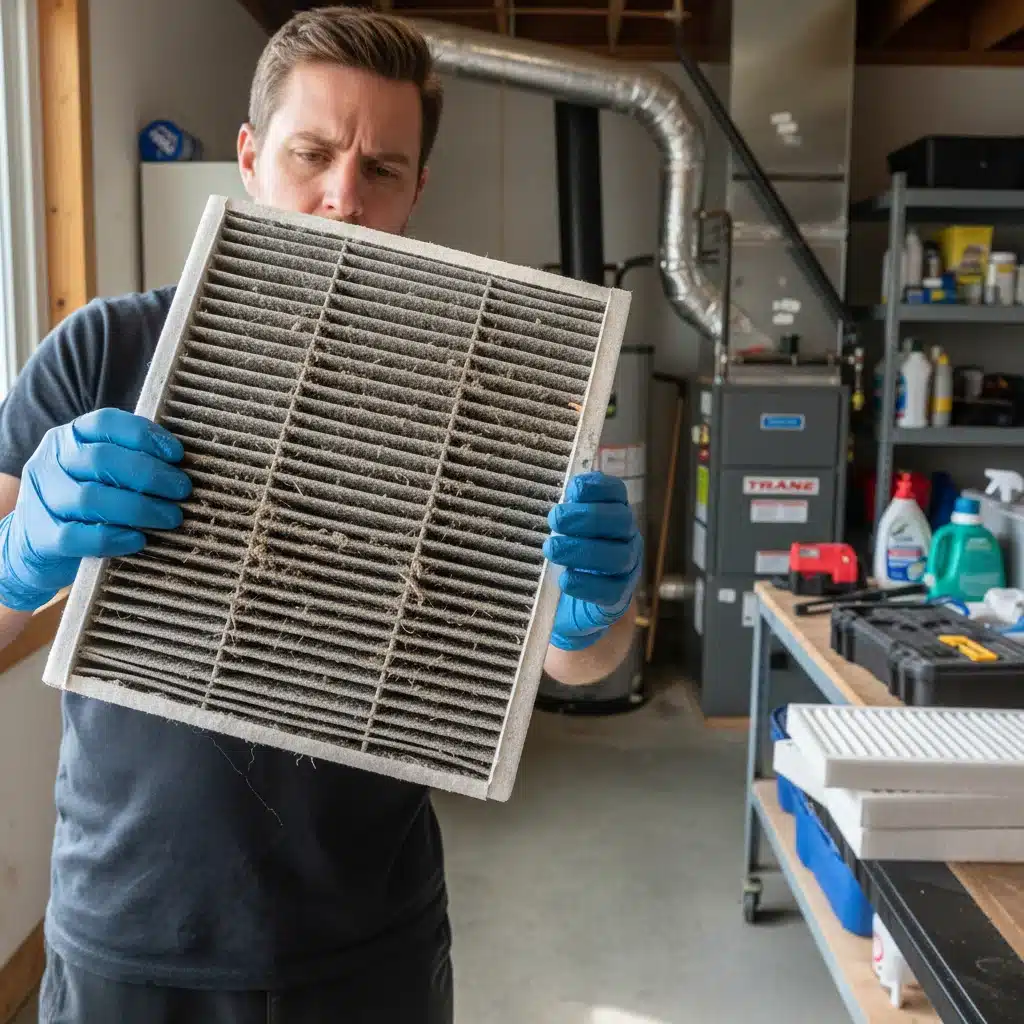
- Filter Replacement: This is arguably the most critical maintenance task. HVAC filters trap dust, pollen, pet dander, and other airborne particles. A clogged filter restricts airflow, reduces system efficiency, and allows pollutants to bypass the filter. Replace or clean filters every 1-3 months, depending on usage, pet ownership, and allergy severity. Consider upgrading to a higher MERV (Minimum Efficiency Reporting Value) filter for better filtration, ensuring it’s compatible with your system.
- Professional Servicing: Schedule annual professional inspections and tune-ups for your HVAC system. Technicians can clean coils, check refrigerant levels, inspect ductwork for leaks, and ensure all components are functioning correctly, which directly impacts air quality and system longevity.
- Duct Cleaning: While not a frequent necessity, consider professional duct cleaning every 3-5 years, or if there’s been a significant renovation, water damage, or pest infestation. Dirty ducts can harbor dust, mold, and allergens that are then circulated throughout your home.
- Mindful Cleaning Routines:
- Vacuum Regularly: Use a vacuum cleaner equipped with a HEPA filter to effectively capture dust, pet dander, and allergens from carpets, rugs, and upholstery. Vacuum at least once or twice a week.
- Dust with Damp Cloths: Dry dusting can just redistribute particles into the air. Use damp cloths or microfiber towels to trap and remove dust from surfaces.
- Wash Bedding Frequently: Hot water washing of sheets, pillowcases, and duvet covers every week or two helps eliminate dust mites and their allergens.
- Clean Bathrooms and Kitchens: Regular cleaning of these high-moisture areas helps prevent mold and mildew growth. Use appropriate cleaners and ensure good ventilation during and after cleaning.
- Control Humidity Levels:
- Use Dehumidifiers: In humid climates or damp areas like basements, use a dehumidifier to keep indoor humidity levels below 50%. This is crucial for preventing mold and dust mite proliferation.
- Use Humidifiers Wisely: In dry climates, humidifiers can add necessary moisture, but over-humidification can lead to mold. Clean humidifiers regularly to prevent the growth of bacteria and mold within the unit.
- Maintain Indoor Plants: If you have indoor plants, regularly wipe dust off their leaves. While plants can help with air quality, dusty leaves can become a source of allergens.
- Check for Leaks and Water Damage: Periodically inspect your home for any signs of water leaks or damage, especially in basements, attics, and under sinks. Address any issues immediately to prevent mold growth.
By making these regular maintenance and cleaning practices a consistent part of your home routine, you create a continuously healthy environment, ensuring your efforts to improve indoor air quality are sustained and effective.
Monitoring Your Indoor Air Quality
While implementing the four tips above will undoubtedly lead to significant improvements, how do you know if your efforts are truly paying off? This is where monitoring your indoor air quality becomes invaluable. Modern technology offers a range of tools that can provide real-time data, giving you insights into the effectiveness of your strategies and highlighting areas that might need further attention.
Why Monitor?
- Data-Driven Decisions: Monitoring provides objective data, moving beyond guesswork. You can see how different activities (e.g., cooking, cleaning, opening windows) impact your air quality.
- Early Detection: It helps detect spikes in pollutants that might indicate a problem, such as a malfunctioning appliance, a new source of VOCs, or an issue with ventilation.
- Peace of Mind: Knowing your air quality levels are healthy can provide reassurance, especially for individuals with sensitivities or health concerns.
- System Optimization: You can fine-tune the operation of your air purifiers and ventilation systems based on actual readings.
Tools for Monitoring Indoor Air Quality:
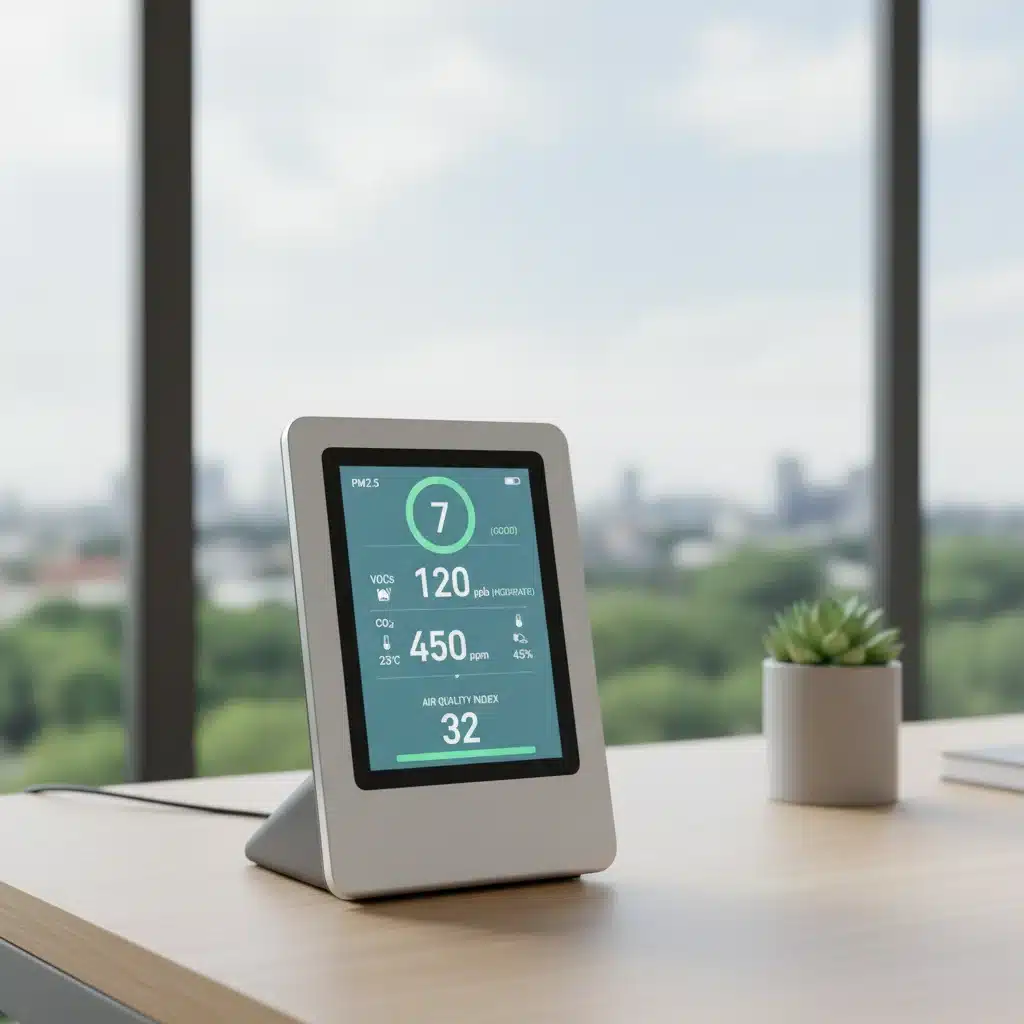
- Consumer-Grade Air Quality Monitors: These devices are becoming increasingly affordable and sophisticated. They can measure a range of parameters, including:
- Particulate Matter (PM2.5, PM10): Tiny particles that can penetrate deep into the lungs.
- Volatile Organic Compounds (VOCs): Gaseous chemicals from various household sources.
- Carbon Dioxide (CO2): An indicator of ventilation effectiveness and human occupancy. High CO2 levels can lead to drowsiness and reduced cognitive function.
- Temperature and Humidity: Important for comfort and preventing mold growth.
Many smart monitors connect to apps, allowing you to track trends and receive alerts.
- Carbon Monoxide (CO) Detectors: Essential for homes with combustion appliances. These should be installed on every level and near sleeping areas.
- Radon Test Kits: As mentioned earlier, long-term radon test kits are crucial for detecting this odorless, colorless gas.
- Humidity Sensors/Hygrometers: Simple devices to monitor indoor humidity levels, helping you maintain the ideal range of 30-50%.
Interpreting the Data:
Once you have a monitor, understanding what the numbers mean is key. While specific safe levels can vary based on regulatory bodies and individual sensitivities, generally aim for:
- PM2.5: As low as possible, ideally below 10-12 µg/m³.
- VOCs: Low levels are best. Your monitor might give a TVOC (Total VOC) reading; aim for under 200 ppb (parts per billion).
- CO2: Below 800-1000 ppm (parts per million) is generally considered good ventilation. Anything above 1,200 ppm suggests inadequate ventilation.
- Humidity: Between 30% and 50%.
Monitoring acts as your personal air quality guardian, providing the feedback loop necessary to ensure your home remains a sanctuary of clean, healthy air. It empowers you to react quickly to issues and continuously refine your strategies for optimal indoor air quality.
The Long-Term Benefits of Optimal Indoor Air Quality
The efforts you invest in improving your indoor air quality extend far beyond just feeling a bit fresher. The long-term benefits are substantial and impact various aspects of your health, home, and overall quality of life.
Health Benefits:
- Reduced Respiratory Issues: Cleaner air means fewer irritants for your lungs. This can significantly reduce the incidence and severity of asthma attacks, allergic reactions, and other respiratory ailments. For children and the elderly, who are often more vulnerable, this protection is especially critical.
- Improved Cognitive Function: Studies have shown that poor air quality, particularly high CO2 and VOC levels, can impair concentration, decision-making, and overall cognitive performance. Breathing clean air can lead to better focus, productivity, and mental clarity.
- Better Sleep Quality: Airborne allergens and irritants can disrupt sleep, leading to fatigue and reduced well-being. A clean sleeping environment promotes deeper, more restorative sleep.
- Fewer Headaches and Nausea: Exposure to VOCs and other chemical pollutants can trigger headaches, dizziness, and nausea. Eliminating these sources helps alleviate such symptoms.
- Reduced Risk of Chronic Diseases: Long-term exposure to certain indoor pollutants, like radon and fine particulate matter, is linked to an increased risk of serious health conditions, including lung cancer and cardiovascular disease. Improving air quality is a proactive step in preventing these illnesses.
- Enhanced Immune System: By reducing the burden of airborne irritants, your immune system can focus its resources on fighting off actual infections, potentially leading to fewer illnesses.
Home and Lifestyle Benefits:
- Odor Control: Eliminating sources of odors and improving ventilation naturally freshens your home, making it a more pleasant place to live and entertain.
- Preservation of Home Furnishings: Excess humidity can lead to mold and mildew on furniture, fabrics, and structural elements. Proper humidity control helps preserve your home’s integrity.
- Energy Efficiency: While some ventilation systems consume energy, well-maintained HVAC systems and strategic natural ventilation can actually contribute to energy savings by reducing the need for excessive heating or cooling. For example, using an ERV/HRV ensures you’re not just venting out expensive conditioned air.
- Increased Property Value: A home with a reputation for good air quality, especially with integrated ventilation and purification systems, can be more attractive to potential buyers.
- Overall Well-being: Living in a clean, fresh-air environment contributes to a general sense of well-being, comfort, and peace of mind for all occupants.
By making a conscious effort to improve your indoor air quality in 2026, you are not just cleaning the air; you are investing in a healthier, happier, and more productive future for yourself and everyone who shares your space. These four essential tips provide a robust framework for achieving and maintaining that vital goal.
Conclusion: Breathing Easier in 2026 and Beyond
As we navigate the complexities of modern living, the importance of a healthy indoor environment cannot be overstated. The air we breathe within our homes significantly impacts our well-being, productivity, and long-term health. By embracing the four essential tips for optimal indoor air quality in 2026 – identifying and eliminating pollutant sources, enhancing ventilation, investing in quality air purification, and committing to regular maintenance and cleaning – you are taking powerful, proactive steps towards creating a sanctuary of clean air.
Remember that improving indoor air quality is not a one-time fix but an ongoing commitment. It requires awareness, consistent effort, and a willingness to adapt your practices. From choosing low-VOC products to ensuring your HVAC filters are spotless, each action contributes to the bigger picture of a healthier home. Furthermore, consider integrating air quality monitoring into your routine to gain objective insights and fine-tune your efforts, ensuring maximum effectiveness.
The benefits of breathing clean indoor air are profound: fewer respiratory issues, enhanced cognitive function, better sleep, and a reduced risk of chronic diseases. Beyond health, it contributes to a more pleasant, odor-free, and energy-efficient living space. As 2026 unfolds, let’s collectively prioritize the air we breathe indoors, transforming our homes into havens where health thrives and every breath is a breath of fresh, clean air. Your commitment to these practices will not only benefit you and your family today but will also lay the foundation for a healthier future.