
Natural Pest Control: 7 Safe Solutions to Keep Your Home Bug-Free This Summer
Summer is a time for sunshine, outdoor activities, and enjoying the warmth. However, it also marks the peak season for a wide array of pests looking to invade your home. From ants marching across your kitchen counters to mosquitoes buzzing around your patio and spiders lurking in corners, these uninvited guests can quickly turn your summer bliss into a nuisance. While chemical pesticides offer a quick fix, they often come with a host of concerns regarding the health of your family, pets, and the environment. This is where natural pest control comes into play, offering effective and safe alternatives to keep your home bug-free without resorting to harsh chemicals.
Anúncios
Embracing natural pest control methods means creating a healthier living space, reducing your ecological footprint, and often saving money in the long run. These methods focus on prevention, deterrence, and non-toxic elimination, working with nature rather than against it. In this comprehensive guide, we will explore seven highly effective and safe natural pest control solutions that you can implement this summer to protect your home from common invaders. Get ready to transform your approach to pest management and enjoy a truly bug-free season!
Why Choose Natural Pest Control? The Benefits Beyond Bug-Free Living
Before diving into specific solutions, it’s crucial to understand the compelling reasons to opt for natural pest control. The conventional approach to pest management often involves synthetic chemicals designed to kill pests quickly. While effective, these chemicals can linger in your home, on your surfaces, and in the air, posing potential risks.
Anúncios
Health and Safety for Your Family and Pets
One of the primary benefits of natural pest control is the peace of mind it offers regarding the health and safety of your loved ones. Children and pets are particularly vulnerable to chemical exposure due to their smaller body sizes and closer proximity to treated surfaces. Pesticides can cause a range of health issues, from skin irritations and respiratory problems to more severe neurological effects with long-term exposure. Natural alternatives, derived from plants, minerals, or biological processes, are significantly less toxic, making your home a safer haven for everyone.
Environmental Impact and Sustainability
The environmental consequences of chemical pesticides are far-reaching. They can contaminate soil and water sources, harm beneficial insects like bees and butterflies crucial for pollination, and disrupt local ecosystems. By choosing natural pest control, you contribute to a more sustainable environment. You reduce chemical runoff, protect biodiversity, and support a healthier planet. Many natural methods are biodegradable and have minimal impact on non-target organisms, aligning with eco-conscious living.
Cost-Effectiveness and Long-Term Solutions
While some natural products might seem pricier upfront, many natural pest control solutions are incredibly cost-effective in the long run. Simple household items, garden plants, and DIY remedies often form the core of these strategies. Furthermore, natural methods often focus on addressing the root cause of infestations and creating an unfavorable environment for pests, leading to more sustainable, long-term prevention rather than just temporary eradication. This can mean fewer recurring pest problems and less money spent on professional exterminators or expensive chemical sprays over time.
Improved Indoor Air Quality
Chemical pesticides can release volatile organic compounds (VOCs) into your home’s air, contributing to indoor air pollution. This can lead to headaches, dizziness, and respiratory discomfort, especially for individuals with asthma or allergies. Natural pest control methods, on the other hand, typically do not release harmful fumes or toxins, thereby improving the overall air quality inside your home. This makes for a fresher, cleaner, and healthier living environment for all occupants.
1. Essential Oils: Nature’s Potent Pest Repellents
Essential oils are not just for aromatherapy; they are powerful allies in your natural pest control arsenal. Many plants produce these concentrated aromatic compounds as a defense mechanism against insects, making them excellent natural repellents. Their strong scents and specific chemical properties can deter a wide range of pests without harming humans or pets when used correctly.
Peppermint Oil: The Ultimate Deterrent
Peppermint oil is a superstar in the world of natural pest control. Its strong, invigorating scent is highly offensive to many pests, including spiders, ants, mice, and even mosquitoes. To use it, simply mix 10-15 drops of peppermint essential oil with a cup of water in a spray bottle. Spray this solution around entry points like windowsills, doorframes, and cracks. You can also soak cotton balls in undiluted peppermint oil and place them in problem areas, replacing them every few days as the scent fades.
Lavender Oil: A Pleasant Scent, a Pest’s Nightmare
While lavender’s soothing aroma is beloved by humans, it’s despised by moths, mosquitoes, fleas, and even some types of flies. A few drops of lavender oil on a cotton ball placed in closets and drawers can keep moths away from your clothes. For outdoor protection, dilute lavender oil with a carrier oil like jojoba or almond oil and apply it to exposed skin as a natural insect repellent. You can also grow lavender plants near entryways to deter pests.
Tea Tree Oil: Antiseptic and Insecticidal Properties
Tea tree oil is renowned for its antiseptic, antibacterial, and antifungal properties, but it also boasts insecticidal qualities. It can be effective against ants, fleas, and mites. Create a spray by mixing 10-15 drops of tea tree oil with a cup of water and a teaspoon of dish soap (to help emulsify the oil). Spray directly on ant trails or areas where you suspect mite activity. Always perform a patch test on surfaces before widespread application, as essential oils can sometimes affect finishes.
Citronella Oil: The Classic Mosquito Repellent
Citronella is perhaps one of the most well-known natural insect repellents, especially for mosquitoes. Its distinctive aroma confuses mosquitoes, making it difficult for them to locate hosts. While citronella candles are popular, using pure citronella essential oil in a diffuser or diluted in a spray can provide more potent protection. For outdoor gatherings, a few drops in a diffuser can create a protective barrier around your seating area.
Lemon Eucalyptus Oil: CDC-Approved Repellent
Often confused with eucalyptus oil, lemon eucalyptus oil contains PMD (p-menthane-3,8-diol), a compound recommended by the CDC as an effective mosquito repellent. It offers protection comparable to some synthetic repellents. Look for products containing oil of lemon eucalyptus or create your own diluted spray for skin application, always following recommended dilution ratios to avoid skin irritation.

2. Diatomaceous Earth: The Microscopic Pest Assassin
Diatomaceous Earth (DE) is a powerful, non-toxic, and highly effective natural pest control solution. It’s a fine powder made from the fossilized remains of diatoms, which are ancient, microscopic aquatic organisms. Food-grade DE is safe for humans and pets, making it an excellent choice for indoor and outdoor pest management.
How Diatomaceous Earth Works
The magic of DE lies in its microscopic structure. Under a microscope, DE particles look like tiny, sharp shards of glass. When insects with exoskeletons (like ants, cockroaches, fleas, bed bugs, and slugs) come into contact with DE, these sharp edges abrade their waxy outer layer. This causes the insects to dehydrate and eventually die. It’s a physical mode of action, meaning pests cannot develop resistance to it, unlike chemical pesticides.
Application Methods for Optimal Control
To use DE effectively, apply a thin, almost invisible layer in areas where pests are active. For indoor use, sprinkle food-grade DE along baseboards, under sinks, in cracks and crevices, and around pet bedding. For outdoor pests, dust it around garden beds, ant hills, and along property perimeters. Ensure the DE remains dry, as moisture can render it ineffective. Reapply after rain or when the powder becomes damp.
Safety Precautions with Diatomaceous Earth
While food-grade DE is non-toxic, it is a fine powder. It’s advisable to wear a mask when applying it to avoid inhaling the dust, which can cause respiratory irritation. Keep it out of reach of children and pets, though ingestion of food-grade DE is generally considered harmless.
3. Beneficial Insects: Nature’s Own Pest Controllers
Introducing beneficial insects into your garden is a cornerstone of ecological and natural pest control. These helpful creatures prey on or parasitize common garden pests, maintaining a balanced ecosystem without the need for chemical interventions. This method is particularly effective for outdoor pest management and can significantly reduce pest populations in your yard, preventing them from making their way indoors.
Ladybugs: Aphid Eaters Extraordinaire
Ladybugs are perhaps the most famous beneficial insects. Both adult ladybugs and their larvae are voracious eaters of aphids, mites, whiteflies, and other soft-bodied pests. You can purchase live ladybugs from garden supply stores and release them into your garden, preferably in the evening after watering your plants. To encourage them to stay, provide a diverse array of plants and avoid using broad-spectrum pesticides.
Praying Mantises: Generalist Predators
Praying mantises are fascinating and effective predators that will eat almost any insect they can catch, including grasshoppers, flies, moths, and caterpillars. Mantis egg cases can be purchased and placed in your garden. Once hatched, these insects will disperse and help control pest populations. While they are not picky eaters and might occasionally consume beneficial insects, their overall impact on pest reduction is significant.
Lacewings: Delicate but Deadly to Pests
Green lacewings are another excellent choice for natural pest control. Their larvae, often called ‘aphid lions,’ are highly effective predators of aphids, mealybugs, spider mites, and whiteflies. Adult lacewings feed on nectar and pollen, so planting flowering plants will attract them. Lacewing eggs can also be purchased and released into your garden for immediate pest control.
Companion Planting to Attract and Deter
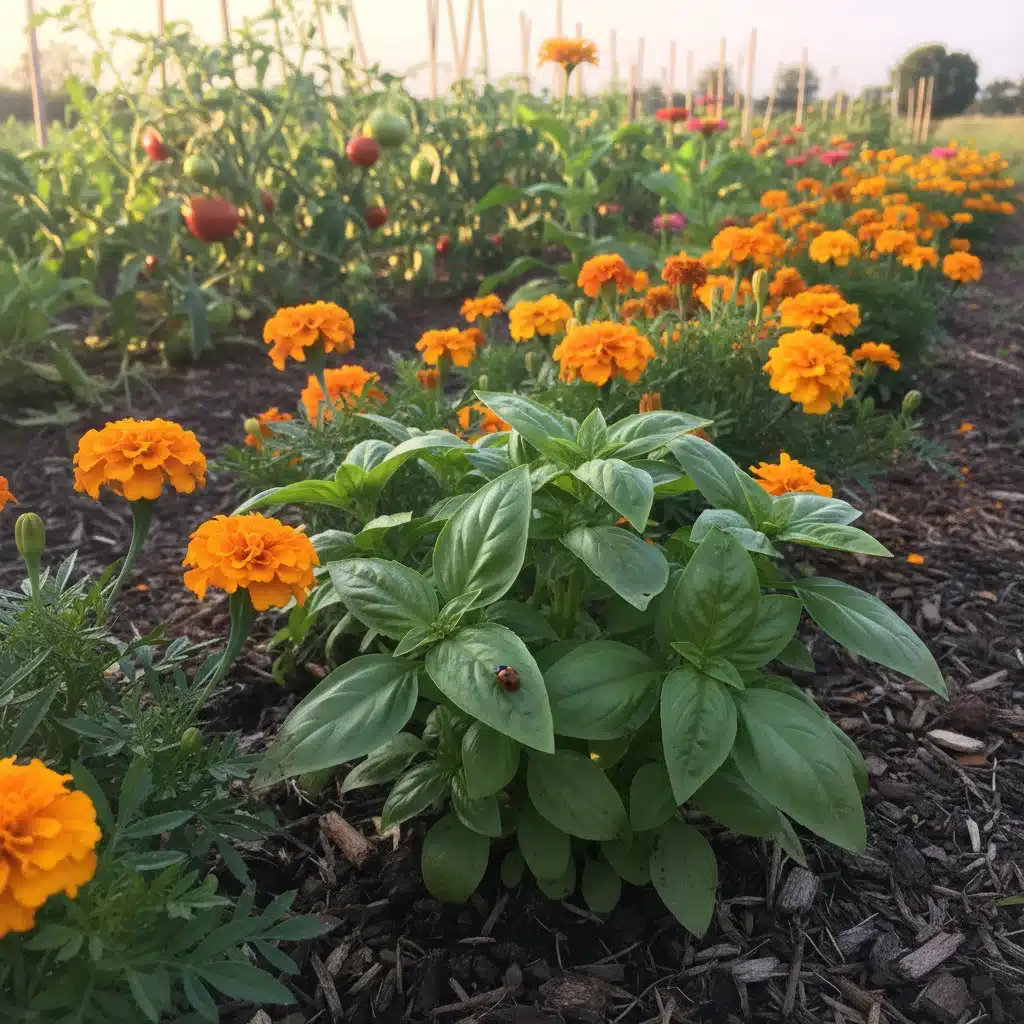
Beyond introducing beneficial insects, companion planting is a smart natural pest control strategy. Certain plants can attract beneficial insects or deter pests with their natural compounds. For example, planting dill, cilantro, and cosmos can attract ladybugs and lacewings. Marigolds are known to repel nematodes and various insects, while basil can deter flies and mosquitoes. Strategically placing these plants around your garden and near entry points of your home can provide an extra layer of protection.
4. Maintaining a Clean Home: The First Line of Defense
One of the most fundamental and often overlooked aspects of natural pest control is maintaining a clean and tidy home. Pests are primarily attracted to food, water, and shelter. By eliminating these attractants, you make your home far less appealing to unwanted invaders. This preventive measure is cost-free and significantly reduces the likelihood of infestations.
Eliminate Food Sources
Pests like ants, cockroaches, and rodents are constantly searching for food. Keep all food items in airtight containers, wipe up spills immediately, and clean food preparation areas thoroughly after each use. Don’t leave pet food out overnight. Regularly empty trash cans, especially those containing food waste, and ensure they have tight-fitting lids. A crumb-free floor and sparkling counters are your best allies against many common household pests.
Control Moisture and Water Sources
Water is essential for all living creatures, including pests. Mosquitoes breed in standing water, while cockroaches, silverfish, and termites thrive in damp environments. Fix leaky pipes, faucets, and roofs promptly. Ensure proper ventilation in bathrooms and basements to reduce humidity. Don’t let water accumulate in plant saucers. Regularly check for and eliminate any sources of standing water inside and outside your home.
Reduce Clutter and Hiding Spots
Clutter provides ideal hiding spots and breeding grounds for pests. Stacks of newspapers, cardboard boxes, old clothes, and unused items create dark, undisturbed spaces where pests can flourish. Declutter your home regularly, especially in less-frequented areas like basements, attics, and garages. Store items in sealed plastic containers rather than cardboard boxes, which can be easily chewed through by rodents and offer harborage for insects.
Seal Entry Points
Even the cleanest home can fall victim to pests if there are easy ways for them to get in. Inspect your home’s exterior for cracks in foundations, gaps around windows and doors, and openings where utility lines enter. Seal these entry points with caulk, weatherstripping, or steel wool (for larger holes that rodents might chew through). Ensure screens on windows and doors are intact and free of tears. A thorough inspection and sealing can make a significant difference in preventing pest entry, making it a crucial step in effective natural pest control.
5. Homemade Sprays and Traps: DIY Natural Pest Control
For those who enjoy a hands-on approach, crafting your own pest control solutions can be both effective and satisfying. Many common household ingredients can be repurposed into powerful, non-toxic sprays and traps to tackle specific pest problems. These DIY methods are excellent examples of practical natural pest control.
Vinegar Sprays: Versatile and Effective
White vinegar is a natural wonder with numerous uses, including pest control. A 50/50 mixture of white vinegar and water can be used as a general repellent for ants and spiders. Spray it directly on ant trails or wipe down surfaces to deter them. For fruit flies, a small bowl of apple cider vinegar with a few drops of dish soap will act as an irresistible trap; the soap breaks the surface tension of the vinegar, causing the flies to sink. Vinegar can also help to deter slugs and snails when sprayed directly.
Garlic and Chili Pepper Sprays: Pungent Pest Deterrents
The strong odors and compounds in garlic and chili peppers are highly repellent to many insects and even some larger pests. To make a garlic spray, crush several cloves of garlic and steep them in warm water for a few hours. Strain the mixture and add a teaspoon of liquid dish soap. For a chili pepper spray, mix a tablespoon of cayenne pepper or chili powder with a quart of water and a few drops of dish soap. Spray these solutions on plants to deter aphids, caterpillars, and other garden pests. Always test on a small area of the plant first to ensure it doesn’t cause damage.
Sugar and Borax Bait for Ants
For ant infestations, a homemade borax and sugar bait can be highly effective. Mix one part borax with three parts powdered sugar. Add a small amount of water to create a paste or a thick syrup. Place small dabs of this mixture on bottle caps or small pieces of cardboard near ant trails, out of reach of children and pets. The ants are attracted to the sugar, carry the borax back to their colony, and it acts as a slow-acting stomach poison, eliminating the colony over time. This is a potent natural pest control strategy for ant colonies.
Sticky Traps for Flying Insects
Homemade sticky traps can be effective for catching flying insects like fruit flies, gnats, and even some types of houseflies. Coat yellow index cards or strips of cardboard with a thin layer of petroleum jelly or a mixture of corn syrup and water. The yellow color attracts insects, and the sticky surface traps them. Hang these near problem areas. This provides a visual and non-toxic solution for controlling small flying pests.
6. Proper Waste Management: Starving Out Pests
Effective waste management is a fundamental yet often underestimated aspect of natural pest control. Pests, particularly rodents, flies, and cockroaches, are scavengers, and improperly managed waste provides them with a constant buffet and ideal breeding grounds. By meticulously handling and disposing of waste, you can significantly reduce pest attraction to your home and yard.
Securing Indoor and Outdoor Bins
All trash cans, both inside and outside your home, should have tight-fitting lids. This prevents pests from accessing food scraps and deters larger animals that might tear open bags. For outdoor bins, consider using heavy-duty, pest-proof containers made of metal or thick plastic. Regularly clean your trash cans with soap and water to remove food residues and odors that can attract pests. Lining bins with strong trash bags also helps contain odors and prevent leaks.
Composting Smartly
If you compost, ensure your compost bin is properly managed to avoid attracting pests. Use a sealed compost tumbler or a well-constructed bin that prevents rodents and insects from entering. Avoid adding meat, dairy, or oily foods to your compost, as these are strong attractants for pests. Turn your compost regularly to promote decomposition and keep it aerated, which also discourages pest activity.
Immediate Disposal of Food Waste
Don’t let food waste linger. Scrape plates into the trash immediately after meals. If you have a garbage disposal, use it regularly and rinse it thoroughly to prevent food particles from accumulating. For pet waste, scoop and dispose of it promptly and regularly, as it can attract flies and other insects. This proactive approach to waste management is a crucial component of a successful natural pest control strategy.
Recycling Best Practices
Even recycling can attract pests if not handled correctly. Rinse all food and beverage containers (cans, bottles, jars) before placing them in your recycling bin. This removes sticky residues and odors that can attract ants, flies, and wasps. Store recycling bins away from direct sunlight if possible, as heat can intensify odors. Keep recycling bins clean and covered, just like your regular trash cans.
7. Strategic Landscaping and Garden Maintenance: Creating a Pest-Resistant Perimeter
Your yard and garden are the first line of defense against pests entering your home. Strategic landscaping and diligent garden maintenance are crucial elements of effective natural pest control, creating a hostile environment for pests before they even reach your doorstep.
Keep Vegetation Away from Your Home
Overgrown shrubs, trees, and vines that touch your house provide easy bridges for pests like ants, rodents, and termites to access your home. Trim back all vegetation so there’s at least a foot of clearance between plants and your home’s exterior walls. This eliminates pathways and makes it harder for pests to hide and enter.
Manage Mulch and Ground Cover
While mulch is beneficial for gardens, too much or improperly placed mulch can create a damp, inviting habitat for pests like slugs, snails, termites, and earwigs. Keep mulch layers to a maximum of 2-3 inches and maintain a clear, mulch-free zone of 6-12 inches around your home’s foundation. Consider using less attractive materials like gravel or stone directly adjacent to the house.
Eliminate Standing Water in the Yard
Just like inside, standing water outside is a breeding ground for mosquitoes. Regularly empty birdbaths, pet water bowls, and children’s toys that collect water. Clean gutters and downspouts to ensure proper drainage. Fill in any low spots in your yard where water tends to pool. Consider adding a natural pond treatment if you have a decorative pond, or introduce mosquito-eating fish like guppies.
Plant Pest-Repelling Herbs and Flowers
Certain plants naturally deter pests with their scents or chemical compounds. Incorporate these into your landscaping, especially near entry points. Examples include:
- Marigolds: Repel nematodes, mosquitoes, and some garden pests.
- Basil: Deters flies and mosquitoes.
- Chrysanthemums: Contain pyrethrins, a natural insecticide, effective against a wide range of insects.
- Lemongrass: Contains citronella, a known mosquito repellent.
- Mint: Repels ants, mosquitoes, and rodents (plant in containers as it can spread aggressively).
- Rosemary: Deters mosquitoes, flies, and some beetles.
Strategic planting enhances your garden’s beauty while contributing to your holistic natural pest control strategy.
Regular Lawn and Garden Maintenance
A well-maintained lawn and garden are less attractive to pests. Mow your lawn regularly, as tall grass provides shelter for rodents and insects. Remove weeds, which can harbor pests and compete with your desired plants. Prune dead or diseased branches from trees and shrubs. Regularly inspect your plants for signs of pest activity and address them early using natural methods before they escalate. A proactive approach to garden maintenance is key to preventing pests from becoming a problem both outdoors and indoors, making your entire property a less appealing place for them to settle.
Integrating Natural Pest Control into Your Lifestyle
Adopting natural pest control isn’t about finding a single magic bullet; it’s about integrating a series of thoughtful practices into your daily routine and home maintenance. It’s a holistic approach that prioritizes prevention, understanding pest behavior, and leveraging nature’s own defenses. While it might require a bit more effort upfront compared to simply spraying a chemical, the long-term benefits for your health, your home, and the environment are immeasurable.
Start small, perhaps by implementing one or two of these solutions, and gradually build up your repertoire. Observe which methods work best for the specific pests you encounter. Remember that consistency is key. Regular cleaning, diligent garden maintenance, and proactive application of natural deterrents will yield the best results. Educate yourself and your family on these practices, making everyone a participant in maintaining a pest-free, healthy home.
Embracing natural pest control also fosters a deeper connection with your environment. You’ll become more attuned to the rhythms of nature, better understanding the delicate balance of ecosystems in your backyard. This knowledge empowers you to manage pests in a way that is sustainable and harmonious, ensuring your home remains a sanctuary free from unwanted chemical exposure and bothersome bugs.
Conclusion: Enjoy a Safe and Bug-Free Summer
As summer approaches and pests become more active, you now have a powerful toolkit of natural pest control solutions at your disposal. From the aromatic deterrents of essential oils to the microscopic power of diatomaceous earth, the ecological balance offered by beneficial insects, and the foundational importance of cleanliness and diligent maintenance, these methods provide safe, effective, and environmentally friendly ways to keep your home bug-free.
By choosing natural alternatives, you’re not just eliminating pests; you’re creating a healthier living environment for your family and pets, reducing your ecological footprint, and contributing to a more sustainable future. This summer, take control of your home’s pest situation with confidence, knowing that you’re using methods that are kind to both your loved ones and the planet. Enjoy the warmth, the sunshine, and the peace of mind that comes with a naturally pest-free home. Your journey towards effective and safe natural pest control starts now, promising a summer of comfort and tranquility.