DIY Cleaning Solutions: 5 Natural Recipes for a Chemical-Free Home
Anúncios
In an age where health and environmental consciousness are taking center stage, many homeowners are re-evaluating the products they bring into their living spaces. The shift towards natural and organic options isn’t just a trend; it’s a profound understanding of the potential harm conventional cleaning products can pose. These commercial cleaners, often laden with harsh chemicals, volatile organic compounds (VOCs), and synthetic fragrances, can contribute to indoor air pollution, trigger allergies and asthma, and even have long-term health implications for families and pets. Moreover, the manufacturing and disposal of these products have a significant environmental footprint, polluting waterways and ecosystems.
Anúncios
This growing awareness has sparked a resurgence of interest in natural cleaning recipes – the kind our grandparents might have used. The beauty of these DIY cleaning solutions lies in their simplicity, effectiveness, and the peace of mind they offer. By harnessing the power of everyday ingredients like white vinegar, baking soda, lemon juice, and essential oils, you can create a sparkling clean home without exposing yourself or your loved ones to unnecessary toxins. Not only are these natural alternatives safer, but they are also incredibly cost-effective, helping you save money on expensive store-bought cleaners. Furthermore, embracing DIY natural cleaning solutions reduces your plastic consumption, making your home not just cleaner, but also more sustainable.
The journey to a chemical-free home doesn’t have to be daunting. It’s about taking small, deliberate steps towards a healthier lifestyle. This comprehensive guide will equip you with five essential natural cleaning recipes that are easy to make, powerful in action, and versatile enough to tackle most household cleaning tasks. From an all-purpose cleaner that can handle almost any surface to specialized solutions for glass, floors, and even stubborn grime, you’ll find everything you need to transform your cleaning routine. We’ll delve into the benefits of each ingredient, provide clear, step-by-step instructions, and offer expert tips to ensure your homemade cleaners are always a success. By the end of this article, you’ll be empowered to create a truly clean, fresh, and healthy living environment, free from the worries of harsh chemicals. Let’s embark on this exciting journey to a greener, cleaner home together!
Anúncios
Why Choose Natural Cleaning Recipes? The Unseen Benefits
Before we dive into the recipes, let’s take a moment to understand the compelling reasons behind choosing natural cleaning recipes over their conventional counterparts. The benefits extend far beyond just a clean surface, impacting your health, your finances, and the planet.
Healthier Indoor Air Quality
One of the most immediate and significant advantages of natural cleaning is the improvement in indoor air quality. Many commercial cleaning products release VOCs, which are gases emitted from certain solids or liquids. These VOCs can cause a range of health effects, including headaches, nausea, dizziness, and irritation of the eyes, nose, and throat. For individuals with respiratory conditions like asthma or allergies, exposure to these chemicals can trigger severe reactions. By contrast, natural ingredients like vinegar, baking soda, and essential oils do not emit harmful VOCs, leading to cleaner, fresher air within your home. This is particularly crucial in well-sealed modern homes where air circulation can be limited, trapping pollutants indoors.
Reduced Exposure to Harmful Chemicals
The labels on many conventional cleaners read like a chemistry textbook, listing ingredients that are often irritants, corrosives, or even known carcinogens. Prolonged or repeated exposure to these chemicals can have serious health consequences, from skin rashes and burns to disruptions of the endocrine system and an increased risk of certain cancers. When you make your own natural cleaning recipes, you know exactly what goes into them. You’re choosing safe, non-toxic ingredients that won’t harm your skin, lungs, or overall health. This transparency and control empower you to protect your family and pets from unnecessary chemical exposure.
Eco-Friendly and Sustainable Practices
The environmental impact of conventional cleaning products is substantial. From the energy-intensive manufacturing processes to the non-biodegradable packaging and the chemicals that get washed down drains and into our water systems, the footprint is considerable. Opting for natural cleaning recipes significantly reduces this impact. Ingredients like vinegar and baking soda are biodegradable and derived from natural sources. Furthermore, by reusing spray bottles and containers, you minimize plastic waste, contributing to a more sustainable lifestyle. This shift towards eco-friendliness helps protect our planet’s delicate ecosystems for future generations.
Cost Savings and Budget-Friendly Solutions
Let’s be honest, cleaning products can be expensive, especially if you’re buying specialized cleaners for every surface and task. The beauty of natural cleaning recipes is that they rely on common, inexpensive household staples. A gallon of white vinegar, a box of baking soda, and a bottle of lemon juice cost a fraction of what you’d pay for a cabinet full of commercial cleaners. By making your own solutions, you’ll notice significant savings on your household budget over time. These simple ingredients are incredibly versatile, meaning one purchase can serve multiple cleaning purposes, further maximizing your savings.
Empowerment and Control
There’s a unique satisfaction that comes from creating something with your own hands, and cleaning solutions are no exception. Making your own natural cleaning recipes gives you a sense of empowerment and control over your home environment. You’re not relying on corporations to dictate what’s safe or effective; you’re actively choosing a healthier path. This hands-on approach fosters a deeper connection to your home and a greater understanding of the products you use daily. It’s an investment in your well-being and a testament to your commitment to a healthier, more sustainable lifestyle.
The Essential Ingredients for Your Natural Cleaning Arsenal
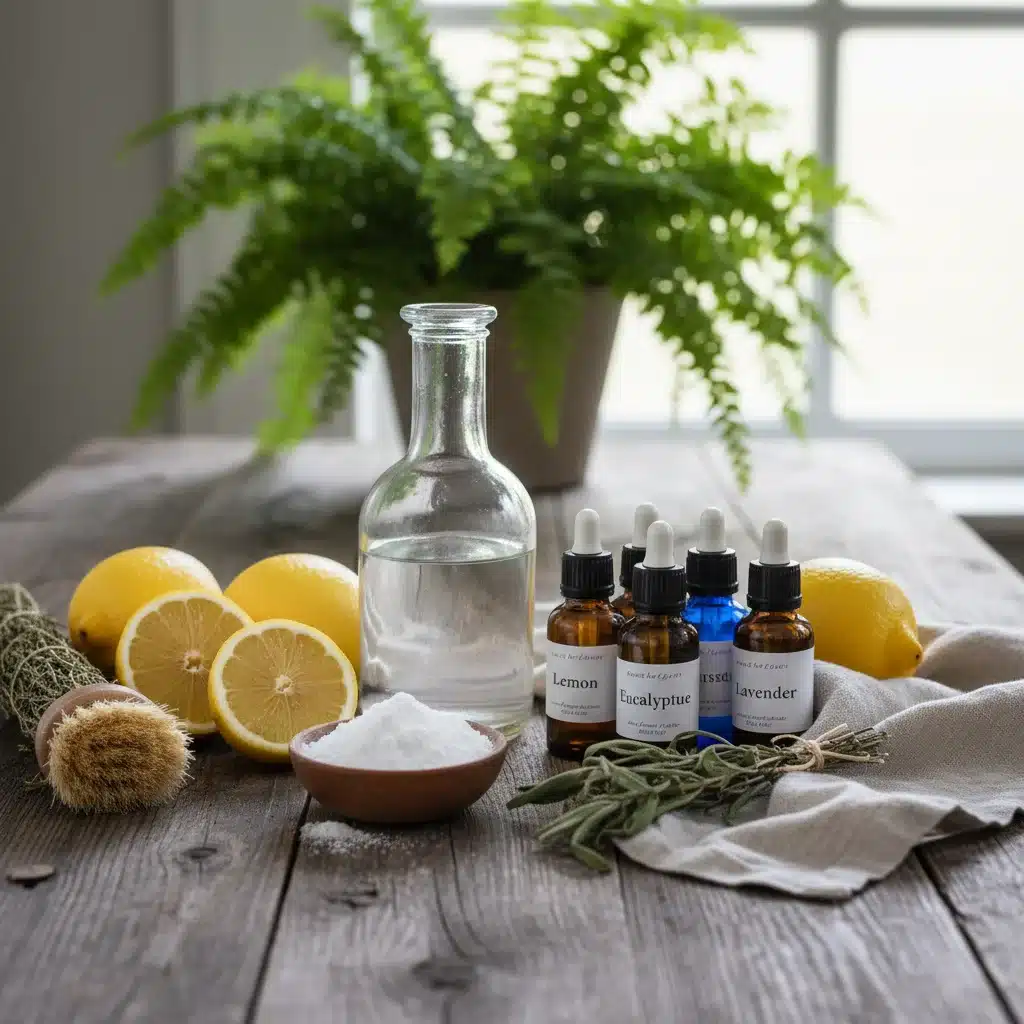
Before we dive into the specific natural cleaning recipes, let’s get acquainted with the star ingredients that will form the backbone of your chemical-free cleaning kit. These items are readily available, affordable, and incredibly versatile, proving that you don’t need fancy chemicals to achieve a sparkling clean home.
White Vinegar: The Acidic Powerhouse
White distilled vinegar is perhaps the most celebrated ingredient in natural cleaning, and for good reason. Its acetic acid content makes it a powerful disinfectant, deodorizer, and degreaser. It can dissolve mineral deposits, cut through soap scum, and kill many types of bacteria and mold. Don’t worry about the smell; the vinegar scent dissipates quickly as it dries, leaving no lingering odor. It’s safe for most surfaces, but avoid using it on natural stone (like marble or granite) as its acidity can etch the surface.
Baking Soda: The Gentle Abrasive and Deodorizer
Sodium bicarbonate, or baking soda, is another natural cleaning superstar. Its mild abrasive properties make it excellent for scrubbing without scratching, while its ability to neutralize odors is unparalleled. Baking soda works by absorbing strong smells rather than just masking them. It’s perfect for tackling tough stains, absorbing moisture, and providing a gentle scouring action on various surfaces. It’s also a fantastic agent for unclogging drains when combined with vinegar.
Lemon Juice: The Natural Bleach and Freshener
Fresh lemon juice is a natural bleach, stain remover, and powerful deodorizer. Its citric acid content helps break down grime and mineral deposits, while its refreshing scent leaves your home smelling wonderfully clean. Lemon juice is particularly effective on brass, copper, and for brightening whites. Remember that due to its bleaching properties, it should be used with caution on colored fabrics. For cleaning purposes, freshly squeezed lemon juice is best, but bottled lemon juice can also work in a pinch.
Essential Oils: The Aromatic Antiseptics
While not strictly necessary for cleaning power, essential oils add a delightful natural fragrance and often boost the antimicrobial properties of your homemade solutions. Popular choices for cleaning include tea tree oil (a powerful antiseptic and antifungal), lemon oil (degreasing and refreshing), lavender oil (calming and antibacterial), and peppermint oil (invigorating and pest deterrent). Always use high-quality, pure essential oils and remember that a little goes a long way. They should always be diluted, especially when coming into contact with skin.
Borax (Optional): The Booster for Tough Jobs
Borax, a naturally occurring mineral (sodium borate), is an optional but highly effective addition to your natural cleaning arsenal for tougher tasks. It boosts cleaning power, acts as a natural whitener, and helps inhibit mold and mildew growth. While natural, it’s a powerful agent and should be handled with care, kept out of reach of children and pets, and not ingested. Many people choose to avoid borax due to safety concerns, but when used properly, it can be a valuable tool for heavy-duty cleaning.
Castile Soap: The Gentle Yet Powerful Cleanser
Castile soap, made from vegetable oils (like olive, coconut, or hemp), is a concentrated, biodegradable, and non-toxic soap that can be used for almost anything. It’s an excellent emulsifier, meaning it helps oil and water mix, making it superb for cutting through grease and grime. Available in liquid or bar form, liquid castile soap is particularly useful for creating foaming cleaners, hand soaps, and dish detergents. Its mildness makes it safe for sensitive skin, and it rinses clean without leaving residue.
Hydrogen Peroxide (3%): The Disinfectant and Whitener
Common 3% hydrogen peroxide is a fantastic natural disinfectant that effectively kills bacteria, viruses, and mold. It’s also a natural whitener and brightener, making it a great alternative to bleach for many applications. It breaks down into water and oxygen, leaving no harmful residues. Always store hydrogen peroxide in its original dark bottle, as light degrades its effectiveness. It’s perfect for sanitizing surfaces, whitening grout, and even removing blood stains.
With these foundational ingredients, you’re well-prepared to tackle any cleaning challenge naturally. Now, let’s explore the natural cleaning recipes that will transform your home!
5 Essential Natural Cleaning Recipes for Every Room
Here are five indispensable natural cleaning recipes that will cover most of your household cleaning needs. Each recipe is designed to be effective, easy to make, and safe for your family and the environment.
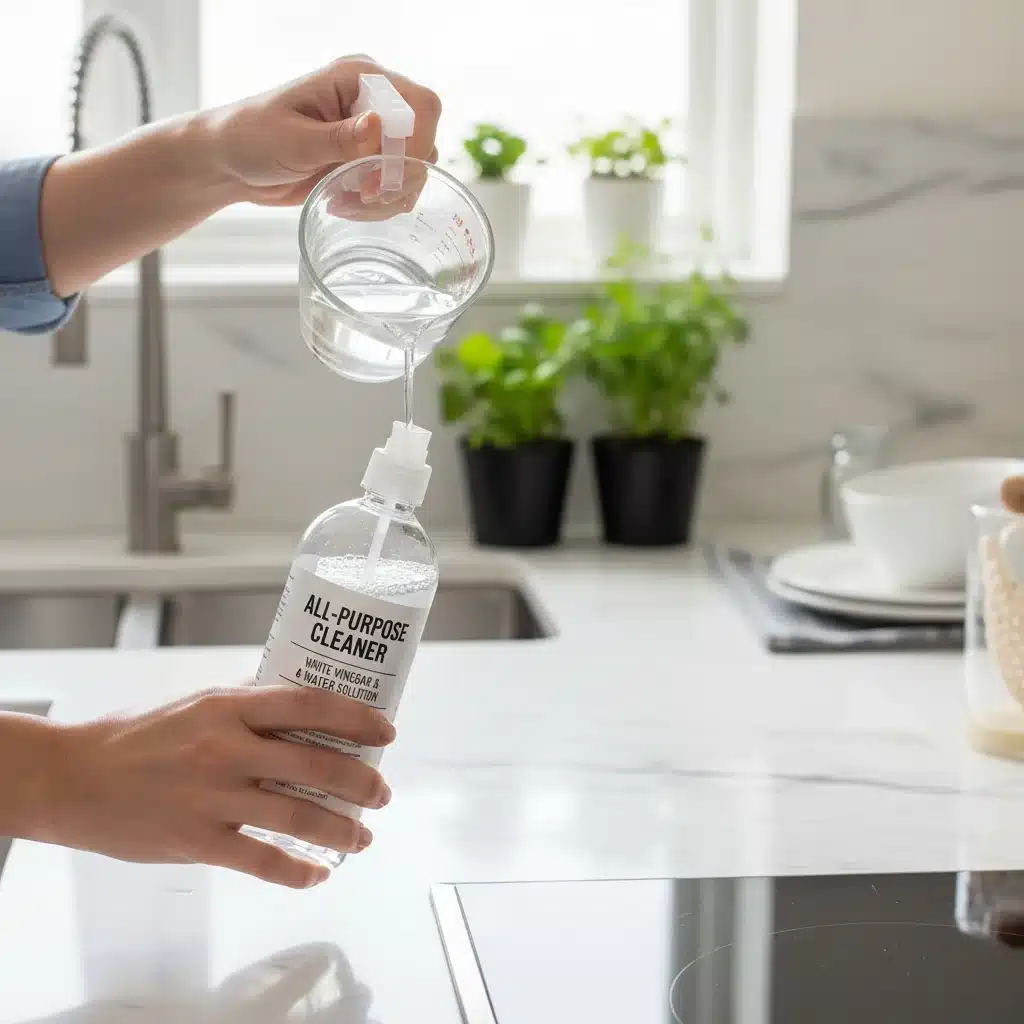
1. All-Purpose Cleaner: Your Daily Go-To Solution
This versatile cleaner is perfect for countertops, sinks, appliances, and most washable surfaces. It’s a staple in any chemical-free home.
Ingredients:
- 1 cup white distilled vinegar
- 1 cup distilled water (or filtered water)
- 10-15 drops of essential oil (lemon, tea tree, or lavender are excellent choices)
Instructions:
- Combine vinegar and water in a clean 16-ounce spray bottle.
- Add the essential oils.
- Shake gently to mix.
How to Use:
Spray directly onto surfaces and wipe clean with a microfiber cloth. For tougher spots, let it sit for a few minutes before wiping. Do not use on natural stone surfaces or unsealed grout.
2. Streak-Free Glass and Mirror Cleaner
Say goodbye to streaks with this simple yet effective glass cleaner. It leaves windows and mirrors sparkling without harsh chemicals.
Ingredients:
- 1/2 cup white distilled vinegar
- 1/2 cup distilled water
- 1/4 teaspoon liquid castile soap (optional, for extra cleaning power)
- 5-10 drops of lemon or peppermint essential oil (optional, for scent)
Instructions:
- Mix all ingredients in a 16-ounce spray bottle.
- Shake well before each use.
How to Use:
Spray onto glass or mirror surfaces. Wipe immediately with a clean, lint-free cloth or crumpled newspaper for a streak-free shine. Avoid using too much soap, as it can leave streaks.
3. Powerful Bathroom Scrubber: Tackling Soap Scum and Grime
This scrub is a lifesaver for sinks, tubs, tiles, and grout. The baking soda provides gentle abrasion, while the castile soap and essential oils tackle grime and odors.
Ingredients:
- 1/2 cup baking soda
- 1/4 cup liquid castile soap
- 10-15 drops of tea tree essential oil (for its antifungal properties)
- 5-10 drops of lemon or orange essential oil (for fresh scent)
- A few tablespoons of water (to adjust consistency)
Instructions:
- In a bowl, combine baking soda and liquid castile soap.
- Add essential oils and mix until a thick paste forms.
- Add water a tablespoon at a time if needed to reach desired consistency.
- Store in an airtight container.
How to Use:
Apply the paste directly to the surface with a sponge or brush. Scrub gently in circular motions. For tough stains, let it sit for 10-15 minutes before scrubbing. Rinse thoroughly with water. This is one of the most effective natural cleaning recipes for bathroom hygiene.
4. Floor Cleaner: For Sparkling Hardwood and Tile
Keep your floors gleaming without harsh chemicals. This recipe is safe for most sealed hard floors, including hardwood, laminate, and tile. Always test in an inconspicuous area first.
Ingredients:
- 1 gallon warm water
- 1/2 cup white distilled vinegar
- 10-15 drops of essential oil (pine, lemon, or orange work well for floors)
Instructions:
- In a bucket, combine warm water and white vinegar.
- Add essential oils and stir well.
How to Use:
Dip a mop or cloth into the solution, wring it out well (especially for hardwood floors), and clean your floors. No need to rinse. The vinegar smell will disappear as the floor dries, leaving a fresh, subtle scent from the essential oils. This is a fantastic example of simple yet powerful natural cleaning recipes.
5. Natural Oven Cleaner: Tackling Baked-On Grease
Cleaning the oven is often seen as a dreaded chore, but this natural method makes it much more manageable without toxic fumes.
Ingredients:
- 1/2 cup baking soda (or more, depending on oven size)
- 3 tablespoons water (approximate)
- Optional: 1 tablespoon liquid castile soap or a few drops of lemon essential oil
Instructions:
- Remove oven racks and any loose debris from the oven.
- In a small bowl, mix baking soda with water to form a thick paste. Add castile soap or lemon oil if desired.
- Spread the paste all over the interior surfaces of your oven, especially on baked-on grease spots. Avoid the heating elements.
- Let it sit overnight (or at least 12 hours) for best results.
How to Use:
After the paste has sat, use a damp cloth or spatula to scrape away the dried baking soda paste and loosened grime. For stubborn spots, use a non-scratch scrub pad. Wipe clean with a damp cloth until all residue is removed. You might need to rinse the cloth several times. This is one of the more time-consuming natural cleaning recipes, but the results are worth it.
Advanced Tips for Maximizing Your Natural Cleaning Efforts
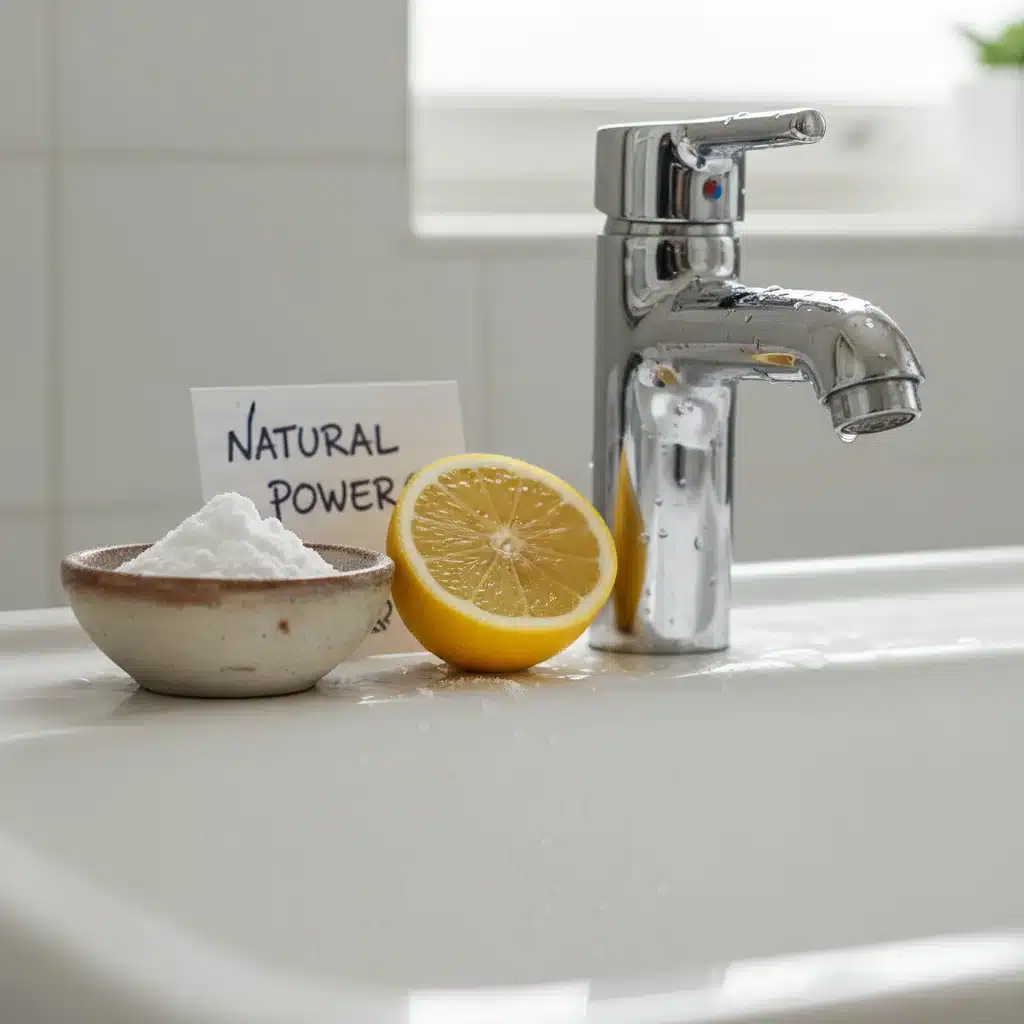
Now that you have these fantastic natural cleaning recipes in your arsenal, let’s explore some advanced tips and tricks to make your chemical-free cleaning even more effective and enjoyable.
Invest in Quality Tools
Good tools can make a significant difference. Microfiber cloths are excellent for streak-free cleaning and can be washed and reused countless times. A good scrub brush, a squeegee for windows, and durable spray bottles will enhance your natural cleaning experience. Consider also a steam cleaner for deep sanitization without any chemicals, especially useful for floors, grout, and upholstery.
Label Your Bottles Clearly
When you start making multiple natural cleaning recipes, it’s easy to get them mixed up. Always label your spray bottles and containers clearly with the name of the solution and its primary uses. This prevents accidents and ensures you’re always using the right cleaner for the job. You can even add the date of creation to keep track of freshness, especially for recipes containing water and essential oils which might degrade over time.
Test in an Inconspicuous Area
Even with natural ingredients, it’s always a good practice to test any new cleaning solution on a small, inconspicuous area of the surface you intend to clean. This is particularly important for delicate materials, painted surfaces, or natural stone to ensure there are no adverse reactions like discoloration or etching. While natural cleaning recipes are generally safe, different materials can react uniquely.
Embrace the Power of Sun and Air
The sun is a natural disinfectant and whitener. For items that can be safely exposed to sunlight, like white laundry or stained cutting boards, letting them air dry in the sun can boost their cleanliness and freshness. Fresh air is also crucial for ventilating your home, especially after cleaning, helping to dissipate any lingering odors and improve overall air quality. Open windows and doors to create a cross-breeze whenever possible.
Store Ingredients Properly
To maintain the efficacy of your natural cleaning ingredients, store them properly. Keep white vinegar and baking soda in cool, dry places. Essential oils should be stored in dark glass bottles away from direct sunlight to preserve their potency. Store your homemade natural cleaning recipes in appropriate containers, preferably dark glass for solutions containing essential oils, to extend their shelf life.
Don’t Fear the Vinegar Smell
One common concern with vinegar-based natural cleaning recipes is the smell. Rest assured, the pungent aroma of vinegar dissipates entirely as it dries. If you find it too strong during cleaning, adding essential oils can help mask it. However, the cleaning power of vinegar is undeniable, and the temporary smell is a small price to pay for a chemical-free clean.
Make Cleaning a Regular Habit, Not a Marathon
Integrating natural cleaning into your daily or weekly routine makes it less overwhelming. A quick wipe-down of surfaces with your all-purpose cleaner each day, or a weekly clean of the bathroom, prevents grime from building up, making deep cleaning less frequent and less arduous. Consistent use of your natural cleaning recipes will maintain a consistently clean and healthy home.
Consider a Cleaning Schedule
A simple cleaning schedule can help you stay on top of things. Assign specific days for certain tasks (e.g., Monday: Bathrooms, Tuesday: Kitchen, etc.). This structured approach ensures that all areas of your home receive attention and helps prevent any single area from becoming overwhelmingly dirty. Your arsenal of natural cleaning recipes will make adhering to this schedule much easier and more pleasant.
Involve the Family
One of the great benefits of using safe, natural cleaning products is that they are generally safe for children and pets to be around. This makes it easier to involve the whole family in cleaning tasks. Teaching children about sustainable living and the benefits of natural cleaning from a young age instills valuable habits and creates a shared responsibility for maintaining a healthy home.
Beyond the Recipes: Embracing a Holistic Chemical-Free Lifestyle
While these natural cleaning recipes are a fantastic starting point, transitioning to a chemical-free home is often a holistic journey. It’s about more than just what you spray on your counters; it’s about making conscious choices in various aspects of your daily life.
Air Purification Beyond Cleaning
Even with natural cleaners, consider other ways to improve indoor air quality. Incorporate air-purifying plants like snake plants, spider plants, or peace lilies into your decor. Use an air purifier with a HEPA filter, especially if you live in an area with high outdoor pollution or have allergies. Regularly vacuum with a HEPA-filtered vacuum to trap dust, pet dander, and other allergens, further complementing your use of natural cleaning recipes.
Laundry Care: Extending Natural Principles
Your laundry routine is another area ripe for natural transformation. Ditch commercial detergents laden with synthetic fragrances and optical brighteners. Homemade laundry detergent using borax, washing soda, and castile soap is a popular and effective alternative. Wool dryer balls can replace chemical-laden dryer sheets, reducing static and drying time while adding a natural scent with a few drops of essential oil. White vinegar can act as a natural fabric softener and rinse aid, removing detergent residue and brightening clothes.
Personal Care Products: What Goes On, Goes In
Extend your chemical-free philosophy to your personal care routine. Many shampoos, soaps, lotions, and cosmetics contain parabens, phthalates, and synthetic fragrances that can be absorbed through the skin. Look for products with transparent ingredient lists or consider making your own simple personal care items, much like these natural cleaning recipes. This ensures a consistent approach to minimizing chemical exposure in your daily life.
Food Choices and Storage
The food you eat significantly impacts your health. Opt for organic, locally sourced produce whenever possible to reduce pesticide exposure. Store food in glass containers instead of plastic to avoid chemical leaching, especially when heating. These choices, while seemingly unrelated to cleaning, are part of a broader commitment to a healthy, chemical-free existence that aligns perfectly with using natural cleaning recipes.
Mindful Consumption
Ultimately, a chemical-free lifestyle is about mindful consumption. Before buying any product, whether it’s for cleaning, personal care, or food, take a moment to read the labels and understand the ingredients. Ask yourself if there’s a natural, safer alternative. This conscious approach not only benefits your health but also encourages manufacturers to produce more sustainable and non-toxic options, creating a positive ripple effect. Your adoption of natural cleaning recipes is a powerful step in this direction.
Conclusion: Embrace a Brighter, Healthier Home with Natural Cleaning
Embarking on the journey of using natural cleaning recipes is one of the most impactful decisions you can make for your home, your health, and the planet. We’ve explored five essential recipes, from an all-purpose cleaner that tackles daily grime to specialized solutions for sparkling glass, fresh floors, and even stubborn oven grease. Each recipe harnesses the incredible power of simple, affordable, and readily available ingredients like white vinegar, baking soda, lemon juice, and essential oils, proving that effective cleaning doesn’t require a cocktail of harsh chemicals.
Beyond the immediate benefits of a pristine home, choosing natural cleaning solutions significantly improves indoor air quality, dramatically reduces your exposure to potentially harmful toxins, and fosters a more sustainable and eco-friendly lifestyle. You’re not just cleaning; you’re actively creating a healthier sanctuary for yourself, your family, and your beloved pets. The cost savings are an added bonus, making this conscious choice a financially smart one too.
Remember the key takeaways: start simple, gather your essential ingredients, label your creations, and don’t be afraid to experiment. With a little practice, making your own natural cleaning recipes will become second nature, transforming what was once a chore into an empowering act of self-care and environmental stewardship. By extending this mindset to other areas of your home, from laundry to personal care, you can truly cultivate a holistic chemical-free living space.
So, take the first step today. Ditch the toxic bottles and embrace the simplicity and effectiveness of nature’s cleaners. Your home will feel fresher, your air will be cleaner, and your peace of mind will be immeasurable. Welcome to the world of natural cleaning – a world where a spotless home doesn’t come at the expense of your health or the environment. Start mixing, start cleaning, and enjoy the radiant benefits of your chemical-free haven!