Cultivating Green Spaces: A Beginner’s Guide to Sustainable Urban Gardening
Anúncios
Turning a concrete balcony or a sunlit windowsill into a source of fresh food can feel like a distant dream for most city dwellers. Yet, the simple act of putting a seed in soil and watching it grow is one of the most powerful ways to reconnect with nature and your community. This isn’t about becoming a full-scale farmer overnight; it’s about reclaiming a small patch of the urban landscape for yourself and discovering the satisfaction of harvesting something you nurtured from the start.
The movement toward sustainable urban gardening is a direct response to a desire for a healthier, more self-sufficient lifestyle. Beyond the obvious benefit of having fresh herbs and vegetables at your fingertips, these small green spaces contribute to a larger ecological picture. They help cool urban heat islands, support vital pollinator populations, and reduce food waste by creating a closed-loop system right in your home. This practice represents a core shift from being a passive consumer to an active participant in your food system.
Anúncios
This guide is designed to demystify the process for beginners. We’ll walk you through the primary first steps, from choosing the perfect sun-drenched spot to preparing the right soil for container success. You’ll learn practical, eco-friendly techniques for watering, composting in small spaces, and managing pests without harsh chemicals. Finally, we’ll explore innovative methods like vertical gardening and hydroponics that make it possible to cultivate a surprising bounty, no matter how limited your space may be.
Why Urban Greenery Matters: The Benefits Beyond the Bloom
The rise of sustainable urban gardening for beginners is more than just a passing trend; it’s a basic shift in how we interact with our cities. Instead of endless concrete, small pockets of green are appearing on balconies, rooftops, and in community plots. This movement is a direct response to a growing desire for healthier, more connected living spaces and is a core component of mastering urban resilience in our daily lives.
Environmentally, the impact is significant. A recent report from the Center for Sustainable Systems at the University of Michigan indicates that well-placed urban green spaces can reduce localized “heat island” effects by several degrees. These gardens also improve air quality by filtering pollutants and provide vital habitats for pollinators like bees and butterflies.
Anúncios
But the benefits don’t stop at the ecological level.
What most people miss is the profound effect on community connection. A shared garden becomes a natural meeting point, turning neighbors into collaborators. This fosters a sense of collective ownership and boosts overall community well-being. On a personal level, tending to plants has been shown to reduce stress and anxiety—and let’s be honest, it provides fresher ingredients for your meals. It’s a small change that aligns with broader future trends in community living.
Getting your hands dirty is an investment not just in your own patch of land, but in the health and vibrancy of your entire neighborhood.
Starting Small: required Steps for Your First Urban Garden
Jumping into urban gardening can feel like a big commitment, but the secret is to begin with a manageable project. Success comes from a few key decisions made right at the start. You don’t need a sprawling backyard; a sunny windowsill or a small balcony can become a productive oasis. The focus is on creating a small, thriving system you can learn from and expand over time.
Think of it less as farming and more as curating a tiny ecosystem. This mindset shift is everything.
Choosing Your Ideal Urban Gardening Spot
Your first decision is the most critical: location. Most vegetables and herbs need a good amount of sunlight to flourish. Before you buy a single seed, spend a day tracking the sun’s path across your available spaces—be it a balcony, patio, or south-facing window. The underrated factor here is consistency.
Use this simple checklist to evaluate potential spots:
- Sunlight Exposure: Aim for a location that receives at least 6 to 8 hours of direct sunlight per day. A study from the University of Florida found that leafy greens like lettuce can get by with less, but fruiting plants like tomatoes are sun-hungry.
- Water Access: Is there a hose or faucet nearby? Carrying heavy watering cans through your home is a chore that can quickly dampen your enthusiasm. Proximity to a water source is a huge quality-of-life win for a new gardener.
- Protection from Elements: A spot with some shelter from strong winds can prevent damage to your plants. Extreme wind can dry out soil and stress your fledgling garden. This is a core principle for mastering urban resilience in your personal space.
Soil Secrets: Preparing for Success
Once you have a spot, your attention must turn to what goes in the containers. Using soil from a park or your backyard is a common beginner mistake that often introduces pests and poor drainage. Investing in quality potting mix is like giving your car premium fuel instead of just whatever is cheapest; the performance difference is significant.
A good potting mix is specifically designed for containers, providing the right balance of drainage, aeration, and nutrients. For an extra sustainable edge, consider making your own mix or amending a store-bought bag. Adding compost is a fantastic way to introduce rich organic matter. According to the EPA, food scraps and yard waste make up over 30% of what we throw away, and composting turns that waste into “black gold” for your garden. You can often find hidden gems in local resident resources, like municipal compost giveaways.
With your location and soil ready, selecting your first plants—like herbs, lettuce, or radishes—becomes the final step before you can get your hands dirty. This act of growing your own food is part of a larger conversation about the future of community living and self-sufficiency.
To plant a garden is to believe in tomorrow.
— Audrey Hepburn
| Feature | Organic Pest Control | Chemical Pest Control |
|---|---|---|
| Mechanism | Often works by smothering, disrupting life cycles, or repelling pests (e.g., neem oil, horticultural soap). | Typically nerve agents or stomach poisons that kill insects on contact or through ingestion. |
| Impact on Ecosystem | Generally lower impact; biodegradable and less harmful to beneficial insects, birds, and pollinators when used correctly. | Can be broad-spectrum, killing beneficial insects and pollinators. Runoff can contaminate soil and water. |
| Speed of Action | Slower to act. May require multiple applications to control a pest population. | Very fast, often providing an immediate “knockdown” of visible pests. |
| Long-term Effect | Builds soil health and promotes a balanced ecosystem where pests are less likely to become a problem. | Can lead to pest resistance, requiring stronger chemicals over time. Degrades soil microbiome. |
Sustainable Practices: Eco-Friendly Techniques for Urban Growers
Once your garden plot is ready, the next step is to run it with a sustainable mindset. This isn’t just about being “green” for its own sake; it’s about creating a self-sufficient system that requires fewer inputs and produces healthier food. Sustainable techniques make your garden more resilient, reduce waste, and connect you more deeply to the food you grow. You save money and resources.
Adopting these practices transforms a simple hobby into a meaningful contribution to your household’s ecosystem. The data suggests a powerful starting point: according to the Environmental Protection Agency, food scraps constitute over 21% of landfill waste. Your small urban garden can directly combat that statistic.
Composting in Small Spaces: Turning Waste into Gold
Composting is the process of recycling organic matter into a rich soil amendment, and it’s completely achievable in an apartment or on a small patio. Forget sprawling, smelly heaps. Modern methods are compact and clean. One popular trend is vermicomposting, or worm composting, which uses a bin of red wiggler worms to break down food scraps quickly and without odor — and yes, it’s way less gross than it sounds. The resulting “worm castings” are one of the most nutrient-dense organic fertilizers available.
Another emerging technique is Bokashi composting, a Japanese method that uses fermentation to pre-compost all food waste, including meat and dairy. The process is anaerobic, happens in a sealed bucket, and takes only a couple of weeks. By turning kitchen waste into garden nutrients, you’re creating a closed-loop system and building a more resilient household. It’s a powerful change.
Water Wisely: Efficient Irrigation for Urban Gardens
Water is a precious resource, especially in urban environments. The key to sustainable watering is to deliver it directly to the plants’ roots where it’s needed most, minimizing evaporation and runoff. For container gardens, this means watering the soil, not the leaves, until you see drainage from the bottom. This ensures the entire root ball is hydrated.
For a slightly larger setup, a drip irrigation system is remarkably efficient. These systems use a network of tubes with small emitters that release water slowly right at the base of each plant. Think of it like giving each plant a slow, steady drink through a straw instead of dumping a bucket of water on its head. You can even connect these systems to a rain barrel—a simple container that collects runoff from a roof or downspout—to use free, naturally soft rainwater for your garden.
Natural Pest Management: Protecting Your Harvest
Sooner or later, you’ll encounter pests. The sustainable approach avoids harsh chemical pesticides, which can harm beneficial insects, soil life, and even you. Instead, the focus is on creating a balanced environment where pest populations are kept in check naturally. But what happens when an infestation takes hold? Your first line of defense is often manual—simply picking off larger insects like tomato hornworms and dropping them in soapy water.
For smaller pests like aphids, a strong spray of water from a hose can dislodge them. If more intervention is needed, organic options like neem oil or insecticidal soap are effective without causing widespread ecological damage. The underrated factor here is observation; checking your plants for a few minutes each day helps you spot problems before they become major issues. This proactive care is one of many hidden local resident resources you can develop yourself.
Choosing between organic and chemical solutions involves trade-offs in speed, environmental impact, and specificity.
| Feature | Organic Pest Control | Chemical Pest Control |
|---|---|---|
| Mechanism | Often works by smothering, disrupting life cycles, or repelling pests (e.g., neem oil, horticultural soap). | Typically nerve agents or stomach poisons that kill insects on contact or through ingestion. |
| Impact on Ecosystem | Generally lower impact; biodegradable and less harmful to beneficial insects, birds, and pollinators when used correctly. | Can be broad-spectrum, killing beneficial insects and pollinators. Runoff can contaminate soil and water. |
| Speed of Action | Slower to act. May require multiple applications to control a pest population. | Very fast, often providing an immediate “knockdown” of visible pests. |
| Long-term Effect | Builds soil health and promotes a balanced ecosystem where pests are less likely to become a problem. | Can lead to pest resistance, requiring stronger chemicals over time. Degrades soil microbiome. |
Beneficial Insects and Companion Planting
One of the most effective strategies for pest control is to let nature do the work for you. By planting specific flowers and herbs, you can attract beneficial insects like ladybugs, lacewings, and hoverflies. These predators are voracious eaters of common pests such as aphids and mites. Planting alyssum, dill, or yarrow among your vegetables can create a welcoming habitat for these garden allies.
This idea extends to companion planting, where different plants are grown near each other for mutual benefit. The practice is an ancient one, but new combinations are always being explored. For example, planting marigolds around your tomatoes can help deter nematodes in the soil, while basil planted nearby is said to repel the tomato hornworm. This creates a diverse, multi-layered defense system, making your garden a much harder target for any single pest to dominate. These strategies are central to many emerging trends in community living and urban agriculture.
Innovative Urban Gardening: Adapting to Modern Challenges
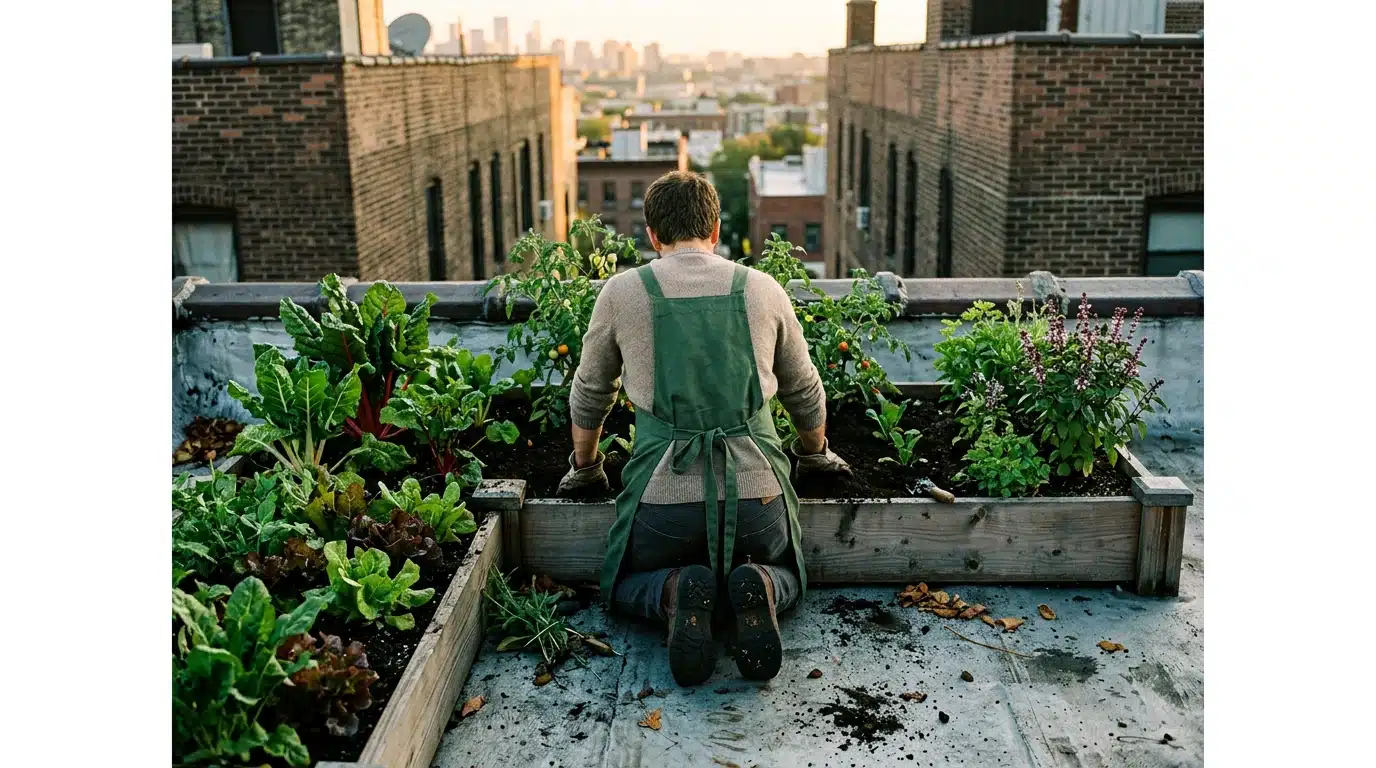
The biggest hurdle for most city dwellers isn’t a lack of a green thumb; it’s a lack of square footage. Limited space has historically been the primary barrier to growing your own food. But today, a new wave of techniques and technologies is turning that assumption on its head, making it possible to cultivate a surprising bounty on a tiny balcony, a small patio, or even a sunny windowsill.
These methods are not just about saving space. They often use fewer resources, like water and soil, making them inherently more sustainable. This is about working smarter, not harder. Embracing these approaches allows you to adapt to the unique constraints of the urban environment.
Maximizing Space: Vertical and Container Solutions
When you can’t build out, you build up. Vertical gardening is the practice of growing plants on a vertically suspended panel, wall, or in stacked containers. This technique can dramatically increase your growing area without expanding your footprint. Systems can be as simple as a trellis for climbing beans or as technical as modular living wall kits for growing everything from herbs to strawberries.
Container gardening is perhaps the most accessible entry point for any urban gardener. It offers complete control over your growing medium — a huge advantage when dealing with potentially contaminated city soil. What most people miss is that the material of the pot matters. Terracotta is porous and dries out faster, while glazed ceramic or plastic retain moisture longer. According to a report by the National Gardening Association, container gardening has seen a 46% increase in participation among city residents, highlighting its effectiveness and popularity.
Choosing the right size is also necessary; giving a tomato plant a five-gallon container instead of a one-gallon pot is like upgrading from a studio apartment to a house. This kind of resourcefulness is a key part of mastering urban resilience in your daily life.
Beyond Soil: Introduction to Hydroponics and Aquaponics
Some of the most exciting developments in urban agriculture don’t involve soil at all. Hydroponics is a method of growing plants using a water-based nutrient solution rather than soil. Plants’ roots are either suspended directly in the solution or supported by an inert medium like perlite or rockwool. Because nutrients are delivered directly to the roots, plants often grow faster and yield more produce.
This is where things get really interesting. What if you could create a tiny, self-sustaining ecosystem? Aquaponics combines hydroponics with aquaculture (raising fish). Think of it like a two-way pet relationship: you feed the fish, and their waste is converted by beneficial bacteria into nitrates, which then serve as a natural fertilizer for the plants. The plants, in turn, clean the water for the fish. A study from Virginia Tech found that small-scale aquaponics systems can use up to 90% less water than conventional gardening, as the water is constantly recirculated.
Smart Tools for the Urban Gardener
Technology is making urban gardening more efficient and less intimidating for beginners. Smart gardening technology ranges from simple self-watering containers with built-in reservoirs to advanced sensors that monitor soil moisture, pH, and nutrient levels, sending alerts directly to your phone. These tools help take the guesswork out of plant care — a massive help for those with busy schedules.
Apps can help you identify plants, diagnose diseases, and create a planting schedule based on your local climate. There are even automated LED grow light systems that provide the perfect light spectrum for indoor gardens, allowing you to grow produce year-round regardless of sunlight. These personal tech solutions are miniature versions of the larger systems shaping future trends in community living.
These innovations are more than just novelties. They represent a basic shift in how we think about food production, turning passive urban spaces into active, productive gardens that enhance both our plates and our connection to nature.
Community Connection: Local Resources and Support for Gardeners
While technology offers exciting ways to grow food, the most underrated factor in sustainable urban gardening for beginners is human connection. You don’t have to figure everything out on your own. Tapping into your local community provides access to shared knowledge, resources, and encouragement that can make all the difference. This is where the real growth happens.
Connecting with other gardeners turns a solitary hobby into a shared experience. It’s like learning to cook; you can read all the recipes you want, but you learn faster when you’re in the kitchen with someone who knows their way around the spices. The data suggests—though not conclusively—that gardeners who participate in community events have significantly higher yields and report greater satisfaction.
Finding Local Community Gardens
For many urban dwellers, a lack of space is the biggest hurdle. Community gardens solve this by offering individual or shared plots on a larger piece of land. These hubs are perfect for beginners, as they often come with access to water, shared tools, and a wealth of experienced gardeners happy to offer advice. According to the American Community Gardening Association, cities with active garden networks see a 47% increase in residents reporting strong neighborhood ties.
Finding one is often easier than you think. Start by checking your city’s Parks and Recreation department website, as they frequently manage public plots. Local non-profits focused on food security or urban greening are another excellent source. A simple online search for “community garden near me” can also reveal some of the hidden gems in your area, from rooftop plots to small neighborhood pocket parks.
Workshops and Educational Opportunities
If you want to fast-track your learning, nothing beats a hands-on workshop. Many botanical gardens, university agricultural extensions, and even local nurseries offer classes on everything from composting basics to advanced pest management. These sessions provide direct access to experts who can answer your specific questions. But how do you find reputable programs?
Look for Master Gardener programs, which are volunteer programs run by universities that train individuals in the science and art of gardening. They often host free or low-cost public workshops. These educational initiatives are becoming a core part of how cities function, reflecting broader future trends in community living where shared knowledge is a priority. Beyond formal classes, many cities also have tool-lending libraries and seed-sharing programs — sometimes you can even get free mulch from municipal yard waste services!
Engaging with these resources does more than just help your plants grow; it helps you build a more self-sufficient lifestyle. Every skill learned is a step toward mastering urban resilience in a practical way. These programs often sprout from the ground up, fueled by passionate residents dedicated to improving their neighborhoods.
Common Pitfalls and How to Overcome Them
Starting a garden is exciting, but challenges will inevitably sprout up. Limited space, nutrient-deficient soil, and a sudden pest invasion can feel defeating. The underrated factor here is that many of these issues have straightforward solutions. For instance, a surprising number of pests can be managed with a simple soap-and-water spray, a far cry from harsh chemical pesticides.
You are not alone in these struggles. A recent study from the University of California Agriculture and Natural Resources found that nearly 70% of beginner gardeners cite pests and diseases as their top concern. Instead of giving up, think of troubleshooting as part of the process. Is your balcony not getting enough sun? Many plants like kale, lettuce, and mint thrive in partial shade. Dealing with pests is a bit like keeping your kitchen clean; consistent small efforts prevent a major infestation.
Sometimes the best solutions come from your neighbors. Tapping into local knowledge can reveal which pests are common in your area and what works against them — a great example of using uncovered local resident resources to your advantage. This collaborative approach to problem-solving is a core component of building community-wide food security.
Overcoming these early hurdles does more than just save your plants. It builds confidence and deepens your connection to the food you grow, contributing to a mindset of mastering urban resilience. Each problem solved is a lesson learned, making you a more skilled and adaptable gardener for seasons to come.
Your Garden, Your City
Starting an urban garden is more than a new hobby; it’s an act of placemaking. Each container of herbs, every tomato vine climbing a balcony railing, subtly rewrites the narrative of the city from a place of consumption to one of production and life. You’ve learned the techniques—the right soil, the smart watering, the pest management—but the real transformation happens when you see your space not as a static floorplan, but as a dynamic ecosystem you can influence.
What will you grow first? That single decision is the starting point for changing your relationship with your food, your neighborhood, and the environment. The most profound harvest from your urban garden won’t just be what you eat, but the perspective you gain: that even in the most built-up environments, you have the power to cultivate green and grow something real.
Frequently Asked Questions
What are the easiest plants to grow in an urban garden for beginners?
For beginners, the best choices are plants that are forgiving and grow quickly. Herbs like mint, basil, and chives are incredibly resilient. Leafy greens such as lettuce, spinach, and kale are also great options, as you can harvest them multiple times. Finally, radishes are famously fast, often going from seed to harvest in under a month.
How much sunlight do urban plants need?
Most vegetables and fruiting plants, like tomatoes and peppers, require at least 6 to 8 hours of direct sunlight per day to thrive. if your space is shadier, don’t despair. Leafy greens, herbs, and root vegetables like carrots and radishes can get by with as little as 4 to 5 hours of direct sun.
Can I grow vegetables on a small apartment balcony?
Absolutely. A small balcony can be an incredibly productive space with the right approach. Use containers and consider vertical gardening solutions like stacking planters or trellises to maximize your area. Plants like cherry tomatoes, bush beans, peppers, and most herbs do exceptionally well in pots on a sunny balcony.
What is the best type of soil for container gardening?
Never use soil directly from a park or backyard, as it’s too dense and can contain pests. The best choice is a high-quality potting mix specifically formulated for containers. This mix provides the ideal balance of drainage, aeration, and nutrients. For an extra boost, amend the mix with compost to add rich organic matter.
Where can I find free or low-cost gardening supplies in my city?
Look for community resources to save money. Check online marketplaces and local ‘Buy Nothing’ groups for free used pots and tools. Many cities also offer free compost at municipal waste centers. seed libraries and local gardening clubs are excellent sources for free seeds and invaluable advice.