Mastering 2026 Federal Contracting: A Small Business Guide to Winning Bids

Anúncios
The landscape of federal contracting is ever-evolving, presenting both challenges and immense opportunities for small businesses. As we look ahead to 2026, understanding the nuances of government procurement, mastering the bid process, and strategically positioning your company are more crucial than ever. This comprehensive guide is designed to equip small businesses with the knowledge and tools necessary to not only navigate but thrive within the competitive world of Federal Contracting 2026. We’ll delve into the foundational elements, emerging trends, and actionable strategies that will empower you to secure lucrative government contracts.
Anúncios
Understanding the Federal Contracting Landscape in 2026
The U.S. federal government is the largest buyer of goods and services in the world, spending hundreds of billions of dollars annually. A significant portion of these expenditures is mandated to go to small businesses, making federal contracting a vital avenue for growth. However, the sheer size and complexity of the system can be daunting. In 2026, several key factors will continue to shape this environment, including technological advancements, increased emphasis on cybersecurity, sustainability initiatives, and ongoing efforts to streamline procurement processes.
For small businesses, the first step towards successful Federal Contracting 2026 involves a deep understanding of the government’s needs and priorities. Agencies are constantly seeking innovative solutions, cost-effective services, and reliable products. By aligning your offerings with these demands, you significantly increase your chances of winning bids. This requires meticulous market research, staying abreast of legislative changes, and actively monitoring agency forecasts.
The Importance of Registration and Certifications
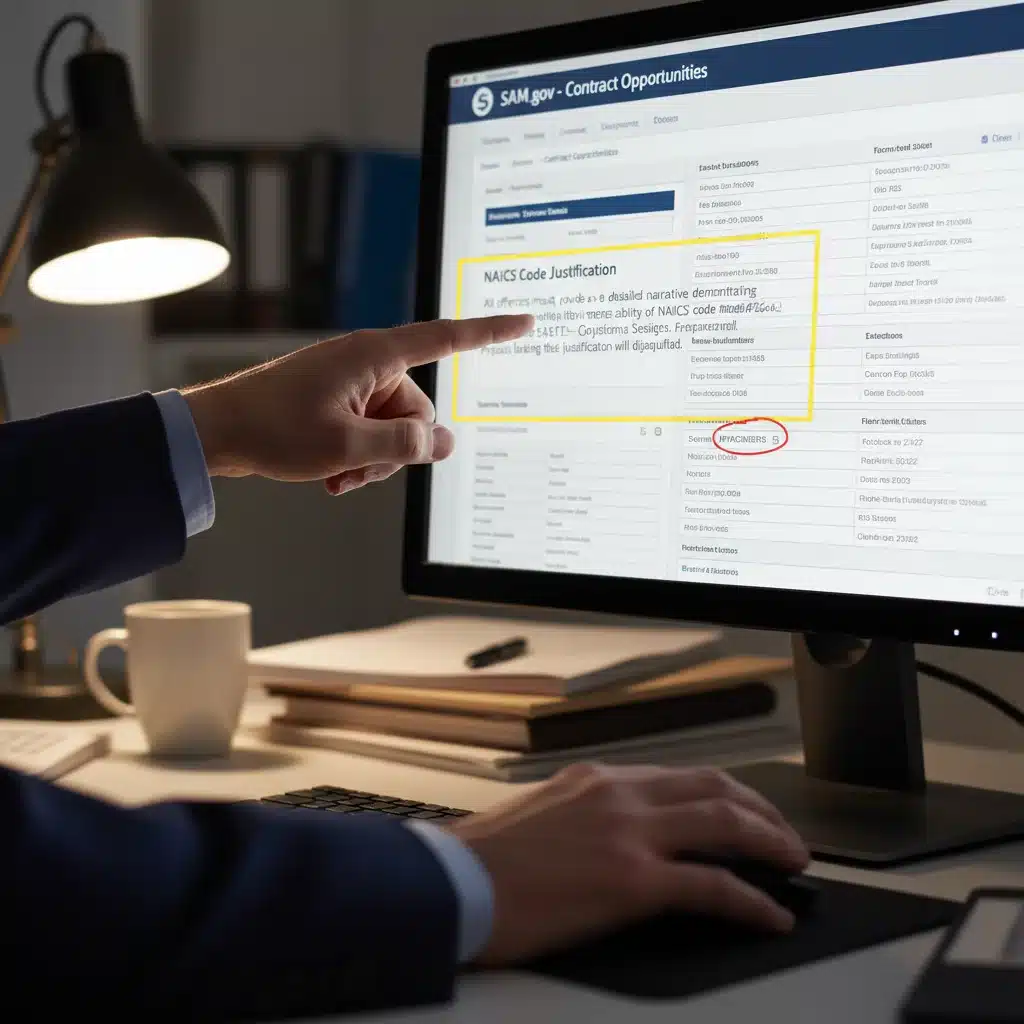
Before any small business can even consider bidding on federal contracts, proper registration is non-negotiable. The System for Award Management (SAM.gov) remains the primary database for entities doing business with the U.S. government. Ensuring your SAM registration is active, accurate, and up-to-date is fundamental. Any discrepancies can lead to delays or disqualification.
Anúncios
Beyond basic registration, various small business certifications offer significant competitive advantages. These certifications are designed to promote fairness and provide opportunities to businesses that meet specific criteria. Key certifications include:
- 8(a) Business Development Program: For socially and economically disadvantaged small businesses.
- HUBZone Program: For small businesses located in historically underutilized business zones.
- Women-Owned Small Business (WOSB) Program: For businesses that are at least 51% owned and controlled by women.
- Service-Disabled Veteran-Owned Small Business (SDVOSB) Program: For businesses that are at least 51% owned and controlled by service-disabled veterans.
Each of these programs comes with specific eligibility requirements and benefits, such as set-aside contracts that are only open to certified businesses. Obtaining the relevant certifications for your business can dramatically narrow the competitive field and increase your chances of winning federal contracts in 2026. Understanding these programs and how your business fits into them is a critical early step.
Identifying Lucrative Federal Contracting Opportunities for 2026
Finding the right opportunities is akin to finding a needle in a haystack if you don’t know where to look. Fortunately, the federal government provides several platforms designed to make this process easier. Federal Business Opportunities (FedBizOpps) has transitioned to SAM.gov, which now serves as the central hub for discovering federal procurement notices. This includes solicitations, contract awards, and other important procurement information. Regularly monitoring SAM.gov is essential for any small business serious about Federal Contracting 2026.
Key Platforms and Resources:
- SAM.gov: The primary site for government contracting opportunities. Filter searches by NAICS codes, set-asides, agencies, and keywords to find relevant bids.
- GSA eBuy: For GSA Schedule holders, this platform allows federal agencies to request quotes for products and services.
- Subcontracting Opportunities: Many large prime contractors are required to subcontract a portion of their federal contracts to small businesses. Websites like SubNet (part of SBA.gov) can help you find these opportunities.
- Agency Forecasts: Many federal agencies publish their procurement forecasts, outlining anticipated needs for the coming fiscal year. These are invaluable for strategic planning and early engagement.
- Small Business Administration (SBA): The SBA offers extensive resources, training, and counseling services to help small businesses navigate federal contracting.
Proactive engagement is key. Don’t wait for opportunities to come to you; actively seek them out. Attend industry days, expos, and networking events (both virtual and in-person) where you can meet federal buyers and prime contractors. Building relationships early can provide invaluable insights and potential partnerships.
Crafting a Winning Proposal: Strategies for 2026
Once you’ve identified a promising opportunity, the next critical step is to develop a compelling proposal. A well-crafted proposal is your business’s voice, demonstrating your understanding of the government’s needs and your capability to meet them. In 2026, proposals need to be more than just compliant; they need to be persuasive, innovative, and clearly articulate your value proposition.
Key Elements of a Strong Proposal:
- Understand the Solicitation Thoroughly: Read the Request for Proposal (RFP) or Request for Quote (RFQ) multiple times. Pay close attention to all instructions, evaluation criteria, and deadlines. Non-compliance is a common reason for disqualification.
- Develop a Clear Solution: Articulate how your products or services directly address the government’s problem or need. Be specific and provide concrete examples of your approach.
- Highlight Your Experience and Past Performance: Federal agencies want to see evidence that you can successfully deliver. Showcase relevant past projects, client testimonials, and performance metrics.
- Emphasize Your Team’s Expertise: Detail the qualifications and experience of the individuals who will be working on the project. Highlight any specialized certifications or clearances.
- Competitive Pricing: While cost is a factor, it’s not always the sole determinant. Your pricing should be reasonable, justifiable, and reflect the value you provide. Understand the agency’s budget and structure your pricing accordingly.
- Compliance and Formatting: Adhere strictly to all formatting requirements, page limits, and submission instructions. A technically compliant proposal is the first hurdle.
Many small businesses underestimate the time and resources required to develop a high-quality proposal. Begin early, allocate sufficient time for research, writing, and review. Consider investing in proposal writing software or engaging a consultant if your internal resources are limited.
Navigating the Post-Award Phase and Contract Management
Winning a federal contract is a significant achievement, but it’s just the beginning. Effective contract management is crucial for successful project execution, maintaining a positive relationship with the government agency, and positioning your business for future opportunities. Poor contract performance can jeopardize your ability to secure future Federal Contracting 2026 bids.
Best Practices for Contract Management:
- Understand Your Contract: Read every clause, term, and condition. Know your deliverables, timelines, reporting requirements, and payment schedules.
- Establish Clear Communication Channels: Maintain open and regular communication with the Contracting Officer (CO) and Contracting Officer’s Representative (COR). Address any issues or concerns promptly.
- Monitor Performance: Track your progress against contract requirements. Implement quality control measures to ensure deliverables meet or exceed expectations.
- Manage Subcontractors Effectively: If you’re using subcontractors, ensure they understand their roles, responsibilities, and the terms of the prime contract. Monitor their performance closely.
- Maintain Accurate Records: Keep meticulous records of all project activities, communications, invoices, and expenses. This is vital for audits and dispute resolution.
- Invoice Accurately and Timely: Ensure all invoices are submitted correctly and on schedule to avoid payment delays.
- Prepare for Audits: Government contracts are often subject to audits. Be prepared to demonstrate compliance with all contractual obligations and regulatory requirements.
Successful contract execution builds a strong reputation and positive past performance ratings, which are critical for winning future federal contracts. Agencies often review past performance when evaluating new bids, so consistently delivering high-quality work is paramount.
Emerging Trends and What to Expect in Federal Contracting 2026
The federal procurement landscape is dynamic, with new trends constantly emerging. Staying informed about these shifts is vital for small businesses to remain competitive and adapt their strategies for Federal Contracting 2026.
Key Trends to Watch:
- Increased Emphasis on Cybersecurity: With growing cyber threats, federal agencies are placing a higher priority on cybersecurity measures. Businesses working with the government will need to demonstrate robust cybersecurity protocols, often aligning with frameworks like NIST (National Institute of Standards and Technology). Compliance with CMMC (Cybersecurity Maturity Model Certification) will become increasingly important.
- Sustainable Procurement and Green Initiatives: The government is committed to reducing its environmental footprint. Expect more solicitations to include requirements for sustainable products, energy-efficient services, and environmentally responsible practices. Small businesses that can offer green solutions will have a competitive edge.
- Artificial Intelligence (AI) and Data Analytics: Agencies are increasingly looking to leverage AI and data analytics to improve efficiency, decision-making, and service delivery. Small businesses with expertise in these areas will find a growing demand for their services.
- Supply Chain Resiliency: Recent global events have highlighted the importance of secure and resilient supply chains. The government will likely prioritize contractors who can demonstrate robust supply chain management and minimize risks.
- Digital Transformation: Government agencies are continuing their digital transformation journeys, seeking innovative IT solutions, cloud services, and modernization efforts. Small businesses specializing in these areas will find ample opportunities.
- Focus on Small Business Participation: The government remains committed to meeting its small business contracting goals. New initiatives and programs may emerge to further support and facilitate small business access to federal contracts.
Proactively adapting to these trends by investing in relevant technologies, training your workforce, and aligning your service offerings can position your business as a preferred partner for federal agencies in 2026 and beyond.
Building Relationships and Networking for Federal Contracting Success
While the federal contracting process can seem transactional, relationships play a significant role. Building connections with government officials, prime contractors, and other small businesses can open doors to opportunities that might otherwise be missed. Networking is not just about attending events; it’s about strategic engagement and demonstrating your value.
Effective Networking Strategies:
- Attend Industry Events and Conferences: These events provide direct access to federal buyers, contracting officers, and potential partners. Be prepared with an elevator pitch and specific questions.
- Engage with Small Business Specialists: Many federal agencies have Small Business Specialists (SBS) whose job it is to help small businesses navigate the procurement process within their agency. They can offer invaluable guidance and insights.
- Collaborate with Prime Contractors: Seek out larger prime contractors who are looking for small business partners to meet their subcontracting goals. Attending prime contractor outreach events can be beneficial.
- Join Industry Associations: Organizations like the National Defense Industrial Association (NDIA) or local chambers of commerce often have government contracting committees or events.
- Utilize Online Platforms: LinkedIn and other professional networking sites can be used to connect with individuals in the federal contracting space.
- Become a Subject Matter Expert: By sharing your expertise through articles, presentations, or webinars, you can establish credibility and attract attention from potential government clients.
Remember, networking is a long-term strategy. Focus on building genuine relationships based on trust and mutual benefit. These connections can provide early intelligence on upcoming bids, partnership opportunities, and crucial advice for navigating the complexities of Federal Contracting 2026.

Common Pitfalls to Avoid in Federal Contracting
Even with the best intentions, small businesses can encounter stumbling blocks in federal contracting. Being aware of common pitfalls can help you avoid them and maintain a smooth path toward securing and executing contracts.
Mistakes to Sidestep:
- Lack of Preparation: Rushing into bids without thorough research, understanding the requirements, or assessing your capabilities is a recipe for failure.
- Ignoring Small Business Programs: Failing to leverage certifications like 8(a), HUBZone, WOSB, or SDVOSB means missing out on significant set-aside opportunities.
- Poor Proposal Writing: Submitting proposals that are non-compliant, unclear, or fail to articulate a strong value proposition will lead to rejections.
- Underestimating Competition: The federal market is competitive. Don’t assume your solution is the only one. Understand your competitors and differentiate your offering.
- Inadequate Financial Management: Government contracts often have specific invoicing and payment terms. Poor financial planning can lead to cash flow issues.
- Neglecting Compliance: Ignoring regulatory requirements, labor laws, or cybersecurity mandates can result in penalties, contract termination, or debarment.
- Overcommitting Resources: Bidding on too many contracts or taking on projects beyond your current capacity can strain your resources and negatively impact performance.
- Failing to Seek Help: The SBA, PTACs (Procurement Technical Assistance Centers), and other organizations exist to help small businesses. Don’t hesitate to utilize their expertise.
Learning from the experiences of others and proactively addressing potential issues can save your business significant time, money, and frustration. Continuous learning and adaptation are key to sustained success in Federal Contracting 2026.
The Role of Technology in Federal Contracting 2026
Technology is not just changing the types of services and products the government buys; it’s also transforming how small businesses engage with the federal procurement process. Embracing technological tools can significantly enhance your efficiency, competitiveness, and overall success in Federal Contracting 2026.
Leveraging Technology for Success:
- Advanced Bid Search Tools: Beyond SAM.gov, specialized software and subscription services can provide more granular and timely information on upcoming opportunities, helping you identify relevant bids faster.
- Proposal Management Software: Tools designed for proposal writing can streamline collaboration, ensure compliance with templates, manage version control, and improve the overall quality of your submissions.
- Customer Relationship Management (CRM) Systems: A robust CRM can help you track interactions with government agencies, prime contractors, and potential partners, ensuring follow-ups and nurturing relationships.
- Project Management Platforms: For contract execution, project management software can help you monitor progress, allocate resources, track deliverables, and manage timelines efficiently.
- Cybersecurity Solutions: As cybersecurity requirements become stricter, investing in advanced security tools and compliance platforms will be essential to protect sensitive government data and meet contractual obligations.
- Data Analytics and Business Intelligence: Utilizing data analytics can help you identify trends in government spending, evaluate your competitive position, and refine your bidding strategy.
- Virtual Collaboration Tools: With a continued emphasis on remote work and distributed teams, effective virtual collaboration tools are crucial for internal team coordination and external communication with partners and agencies.
Integrating these technologies into your business operations can create a more agile, responsive, and competitive enterprise, ready to capitalize on the opportunities presented by Federal Contracting 2026.
Conclusion: Your Path to Success in Federal Contracting 2026
Securing federal contracts in 2026 presents an unparalleled opportunity for small businesses to achieve sustainable growth and impact. While the journey requires dedication, meticulous planning, and continuous adaptation, the rewards are substantial. By understanding the federal landscape, leveraging small business certifications, diligently searching for opportunities, crafting compelling proposals, and managing contracts effectively, your business can establish a strong foothold in this lucrative market.
Remember to stay informed about emerging trends, build strategic relationships, and avoid common pitfalls. The resources available through the SBA and other entities are designed to support your success. Embrace technology, refine your processes, and commit to excellence in every aspect of your engagement with the federal government.
The path to successful Federal Contracting 2026 is within your reach. With a strategic approach and a commitment to continuous improvement, your small business can not only win bids but also become a trusted and invaluable partner to the U.S. government, driving innovation and contributing to national priorities for years to come.