Decoding 2026 Product Labels: Essential Updates for Smarter Purchases
Anúncios
In an ever-evolving marketplace, staying informed about the products we purchase is paramount. As we look ahead to 2026, a significant wave of changes is set to redefine how product information is presented. These 2026 product label updates are not merely cosmetic; they represent a concerted effort to enhance transparency, empower consumers, and address pressing global concerns such as health, sustainability, and ethical sourcing. For the savvy shopper, understanding these shifts is crucial for making truly informed decisions. This comprehensive guide will delve into the specifics of what these new labels mean for you, ensuring you are well-prepared for your 2026 purchases.
Anúncios
The landscape of consumer goods is constantly being shaped by new regulations, scientific discoveries, and evolving societal expectations. Governments and regulatory bodies worldwide are responding to calls for greater clarity and accountability from manufacturers. The 2026 product label updates are a direct result of these efforts, aiming to standardize information, highlight critical details, and provide consumers with an unprecedented level of insight into the items they bring into their homes. From the food we eat to the clothes we wear and the electronics we use, almost every sector will see some form of transformation in its labeling practices. This article will equip you with the knowledge to navigate these changes confidently.
Understanding the Driving Forces Behind the 2026 Product Label Updates
Before we dissect the individual changes, it’s important to grasp the motivations behind these widespread 2026 product label updates. Several key factors are converging to necessitate this overhaul:
Consumer Demand for Transparency
Modern consumers are more discerning than ever. They want to know where their products come from, how they are made, what ingredients they contain, and their environmental and social impact. This demand for transparency has pushed industries to move beyond basic legal requirements and provide more comprehensive, easily digestible information. The 2026 updates are largely a response to this growing consumer expectation.
Anúncios
Advancements in Science and Technology
New scientific research continually reveals more about the impact of ingredients, manufacturing processes, and packaging materials on human health and the environment. Regulatory bodies are incorporating this new knowledge into labeling requirements. Furthermore, technological advancements in data management and digital labeling solutions are making it feasible to provide more detailed information without cluttering physical labels.
Global Harmonization Efforts
As supply chains become increasingly globalized, there’s a push for greater harmonization of labeling standards across different countries and regions. This not only simplifies compliance for multinational companies but also makes it easier for consumers to compare products internationally. While complete global uniformity is a long-term goal, the 2026 updates represent significant steps towards more aligned practices.
Focus on Sustainability and Ethical Sourcing
Environmental concerns, climate change, and social justice issues are at the forefront of public discourse. Consumers are increasingly seeking products that align with their values. The 2026 product label updates will often include more prominent information regarding sustainability metrics, ethical labor practices, and supply chain traceability, allowing consumers to make choices that reflect their commitment to a better planet and society.
Key Areas of Change in 2026 Product Labels
While the specifics will vary by industry and region, several overarching themes and categories of information are expected to see significant enhancements in the 2026 product label updates. Here’s what you can anticipate:
1. Enhanced Nutritional Information (Food and Beverages)
For food and beverage products, the nutritional panel will likely undergo further refinement. Expect clearer, more standardized presentations of:
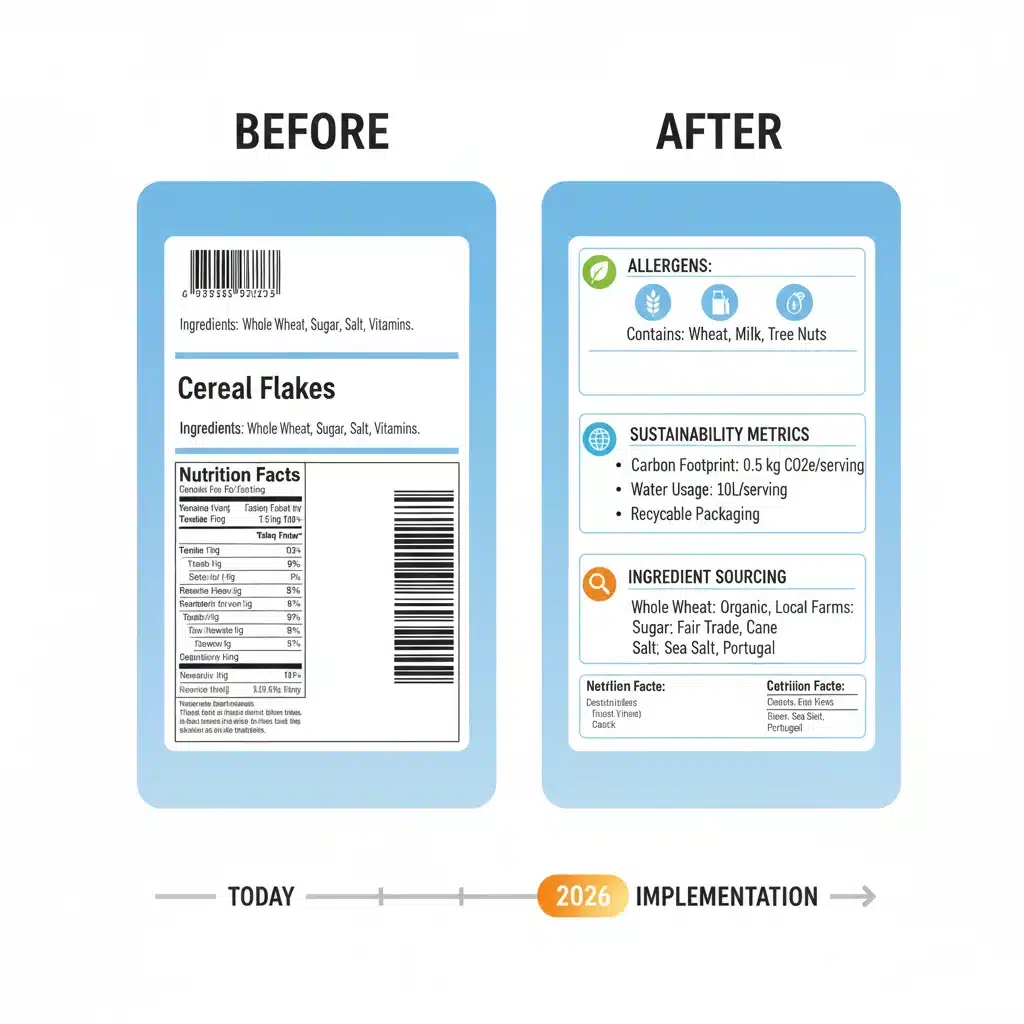
- Added Sugars: More prominent display of added sugars, separate from naturally occurring sugars, to help consumers manage intake.
- Serving Sizes: Revisions to serving sizes to better reflect typical consumption patterns, making it easier to calculate actual intake.
- Key Nutrients: Potential changes in the daily values for certain vitamins and minerals, reflecting the latest dietary guidelines.
- Front-of-Pack Labeling (FOPL): Increased adoption or stricter guidelines for FOPL systems (e.g., traffic light systems, Nutri-Score) that provide at-a-glance health ratings, simplifying quick decisions for consumers.
- Allergen Disclosure: Even more stringent requirements for allergen labeling, potentially including cross-contamination warnings and clearer language for common allergens.
2. Detailed Ingredient Sourcing and Traceability
Consumers are increasingly interested in the origin of their food and other products. The 2026 product label updates will likely feature:
- Geographic Origin: More precise information about where key ingredients are sourced, beyond just the country of final production.
- Supply Chain Transparency: For certain products, QR codes or web links leading to detailed information about the entire supply chain, from farm to fork, or raw material to finished product.
- Ethical Sourcing: Clearer indicators for fair trade, ethical labor practices, and animal welfare standards, moving beyond vague claims to verifiable certifications.
3. Sustainability Metrics and Environmental Impact
Environmental consciousness is a major driver. The 2026 labels will aim to provide actionable information on sustainability:
- Carbon Footprint: Standardized metrics for a product’s carbon footprint, allowing consumers to compare environmental impact.
- Water Usage: Information on the water intensity of production processes.
- Packaging Recyclability: Clearer and more consistent instructions on how to properly recycle or dispose of product packaging, often including specific material codes.
- Circular Economy Indicators: Labels might indicate if a product contains recycled content or is designed for reuse or repair.
4. Health and Wellness Claims (Cosmetics, Supplements, OTC Drugs)
The health and wellness sector often faces scrutiny regarding misleading claims. The 2026 product label updates will bring greater rigor:
- Substantiation of Claims: Stricter requirements for scientific evidence to back up health, beauty, or efficacy claims.
- Active Ingredients: Enhanced clarity on the concentration and purpose of active ingredients.
- Allergen and Irritant Warnings: More comprehensive lists of potential allergens or irritants, especially in cosmetics and personal care products.
- Usage Instructions: Simplified and clearer instructions for safe and effective use, including warnings for potential side effects or interactions.
5. Digital Labeling and QR Codes
While physical labels have limitations, digital solutions offer vast opportunities. Expect to see a greater integration of:
- QR Codes: More prevalent use of QR codes that link directly to comprehensive product websites, digital fact sheets, video tutorials, or augmented reality experiences providing additional information not feasible on the physical label. This is a key aspect of the 2026 product label updates, allowing for dynamic, up-to-date data.
- Smart Packaging: Innovations in smart packaging that can communicate with consumer devices, offering real-time data on freshness, authenticity, or usage tips.
How the 2026 Product Label Updates Impact Your Purchases
These impending changes will significantly alter how you interact with products and make purchasing decisions. Here’s a breakdown of the impact:
For Food Shoppers: Healthier Choices Made Easier
With clearer nutritional information, especially on added sugars and FOPL, choosing healthier options will become more intuitive. If you have dietary restrictions or allergies, the enhanced allergen disclosure will provide a greater sense of security. The increased transparency in sourcing might also influence your decisions towards local or ethically produced foods.
For Eco-Conscious Consumers: Empowered Sustainable Buying
The detailed sustainability metrics will be a game-changer. You’ll be able to quickly identify products with a lower carbon footprint, less water usage, or better recyclability. This allows you to align your purchases more closely with your environmental values, making the 2026 product label updates particularly relevant for those committed to green living.
For Health and Beauty Enthusiasts: Informed Product Selection
When selecting cosmetics, supplements, or over-the-counter medications, the stricter substantiation of claims and clearer ingredient lists will help you cut through marketing hype. You’ll be better equipped to understand what you’re putting on or into your body, making safer and more effective choices.
For All Consumers: Greater Trust and Accountability
Ultimately, the goal of these 2026 product label updates is to foster greater trust between consumers and brands. By providing more comprehensive and verifiable information, manufacturers are held to a higher standard of accountability. This transparency can lead to a more informed and empowered consumer base, capable of demanding better products and practices from the industries they support.
Navigating the New Label Landscape: Tips for Consumers
While the 2026 product label updates are designed to simplify information, the sheer volume of new data can still feel overwhelming initially. Here are some tips to help you navigate the new label landscape effectively:
- Start with Your Priorities: Before you shop, identify what information is most important to you. Is it nutritional content, allergen warnings, sustainability, or ethical sourcing? Knowing your priorities will help you focus on relevant sections of the label.
- Look for Key Indicators: Familiarize yourself with new symbols, icons, or standardized color codes that may be introduced for quick identification of certain attributes (e.g., recycling symbols, carbon footprint ratings).
- Utilize Digital Tools: Don’t shy away from scanning QR codes. These can be invaluable resources for deeper dives into product information, certifications, and brand stories. Many brands will use these digital portals to provide the most comprehensive details stemming from the 2026 product label updates.
- Educate Yourself on Terms: Some new terms or metrics might appear on labels. Take a moment to understand what ‘net zero,’ ‘circular economy,’ or specific certifications mean. Reliable consumer advocacy websites or government health portals can be great resources.
- Compare and Contrast: The new labels are designed to make comparison easier. Take advantage of this by comparing similar products side-by-side to see which best meets your criteria.
- Stay Updated: Labeling regulations can evolve. Follow reputable consumer news sources, government health agencies, and environmental organizations to stay informed about any further changes or clarifications to the 2026 product label updates.
- Provide Feedback: If you find certain aspects of new labels confusing or unhelpful, provide feedback to manufacturers or consumer protection agencies. Your input can help shape future improvements.
Challenges and Opportunities for Businesses
The 2026 product label updates present both significant challenges and opportunities for businesses. Compliance will require substantial investment in data collection, supply chain management, and redesigning packaging. However, companies that embrace these changes proactively can gain a competitive advantage by building greater consumer trust and demonstrating their commitment to transparency and responsibility. Those who fail to adapt risk falling behind in a marketplace that increasingly values informed choices.
For Manufacturers: The Road to Compliance
Manufacturers will need to:
- Audit Supply Chains: Gain deeper insights into the origin and impact of every ingredient and component.
- Invest in Data Management: Implement robust systems to track and manage the vast amounts of data required for new labels.
- Redesign Packaging: Adapt existing packaging to accommodate new information and potentially new front-of-pack designs.
- Educate Internal Teams: Ensure marketing, R&D, and legal teams understand the new requirements.
- Communicate Changes: Proactively inform consumers about what’s changing and why.
For Retailers: Guiding the Consumer
Retailers play a crucial role in the consumer experience. They will need to:
- Train Staff: Equip employees with knowledge about the new labels to answer customer questions.
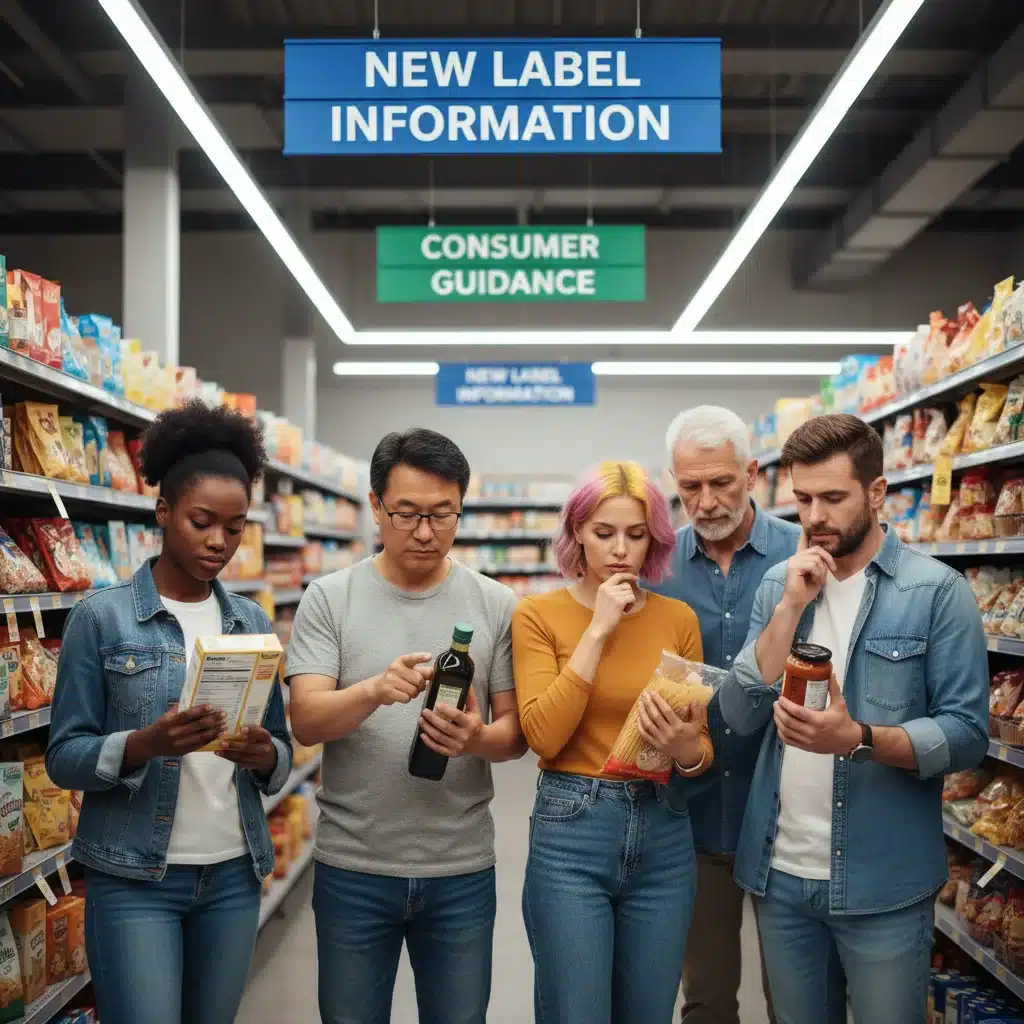
- Update In-Store Signage: Use clear signage to highlight new label features and guide consumers.
- Enhance Online Product Pages: Ensure that online listings reflect all the new information found on physical labels, and leverage digital tools to provide even more detail.
The Future of Product Labeling Beyond 2026
The 2026 product label updates are not an endpoint but rather a significant milestone in the ongoing evolution of consumer information. As technology advances and societal priorities shift, we can expect further innovations in labeling. Personalized labels, augmented reality experiences that project product information directly onto items, and even more dynamic, real-time data feeds are all within the realm of possibility. The trend towards greater transparency and consumer empowerment is irreversible, and 2026 marks a pivotal moment in this journey.
Conclusion: Embrace Informed Purchasing with 2026 Product Label Updates
The upcoming 2026 product label updates represent a powerful shift towards a more informed, transparent, and responsible marketplace. For consumers, this means an unprecedented opportunity to understand the products they buy on a deeper level – from nutritional content and ingredient origins to environmental impact and ethical sourcing. By familiarizing yourself with these changes, utilizing new digital tools, and prioritizing the information that matters most to you, you can transform your shopping habits into a powerful act of conscious consumption.
Embrace these updates not as a burden, but as an opportunity to make choices that align with your health goals, environmental values, and ethical convictions. The future of purchasing is about knowledge, and with the 2026 product label updates, that knowledge will be more accessible than ever before. Prepare now, and step into a more informed and empowered shopping experience.