2026 American Rescue Plan: Impact on Community Resource Centers
Anúncios
The Enduring Legacy: How the 2026 American Rescue Plan Continues to Shape Community Resource Centers
The landscape of community support in the United States has been profoundly reshaped by legislative actions, none more impactful in recent memory than the American Rescue Plan. While initially passed in 2021, its provisions and the subsequent allocation of funds have created a ripple effect that continues to influence local communities years later. As we look towards 2026, the sustained impact of the American Rescue Plan 2026 on Community Resource Centers (CRCs) remains a critical topic, demonstrating an enduring legacy of federal intervention aimed at fostering resilience and equity.
Anúncios
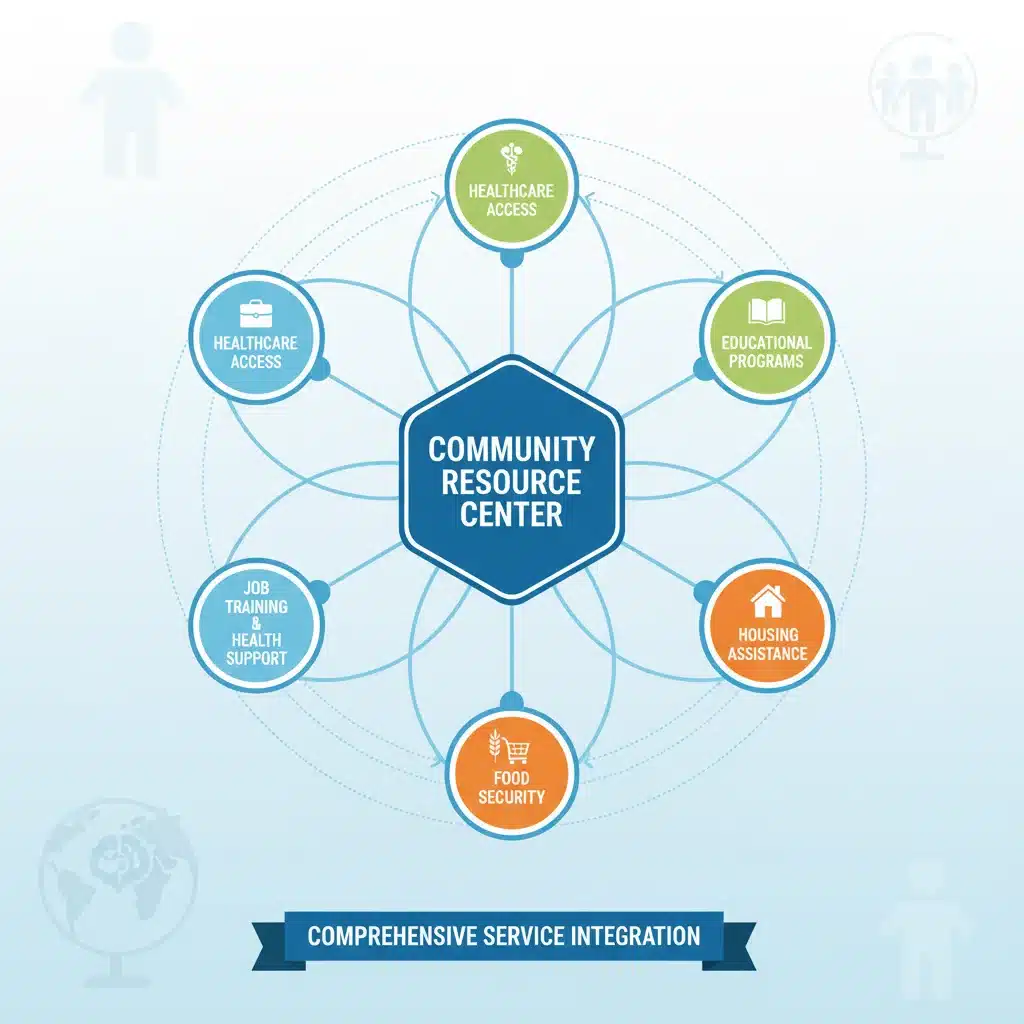
Community Resource Centers are vital hubs, offering a myriad of services from food assistance and housing support to job training and mental health counseling. They are often the first, and sometimes only, point of contact for individuals and families facing various challenges. The influx of federal funding through the American Rescue Plan provided these centers with unprecedented resources, allowing them to expand their reach, modernize their operations, and address exacerbated needs stemming from global crises.
This article delves into the specific ways the American Rescue Plan 2026 continues to manifest its influence on CRCs, examining the long-term changes, adaptations, and ongoing challenges. We will explore how these centers have leveraged the initial investments to build sustainable programs, enhance their service delivery models, and fortify their positions as indispensable pillars of community well-being.
Anúncios
Understanding the Scope of the American Rescue Plan’s Reach
To fully grasp the ongoing impact of the American Rescue Plan 2026, it’s essential to recall its initial scope. Enacted in response to pressing economic and public health crises, the plan allocated billions across various sectors. For CRCs, this meant direct funding, grants for specific programs, and indirect support through state and local government allocations that often trickled down to community-level organizations. The funds were designed to address immediate needs such as vaccine distribution, unemployment benefits, and aid for small businesses, but also to lay the groundwork for long-term recovery and systemic improvements.
Many CRCs, which were already stretched thin, found themselves overwhelmed by the surge in demand for services during the crisis. The American Rescue Plan provided a lifeline, enabling them to hire more staff, acquire necessary equipment, and adapt their services to meet rapidly changing community requirements, including the pivot to virtual service delivery. This initial injection of capital was not merely a temporary fix; it was an investment in the infrastructure of community support.
By 2026, the narrative has shifted from emergency response to sustainable development. CRCs are now navigating the complexities of maintaining expanded services as some of the initial, more flexible funding streams begin to taper off. However, the plan’s strategic investments in capacity building, technology upgrades, and workforce development have left an indelible mark, empowering centers to continue their vital work with enhanced capabilities.
Enhanced Service Delivery and Program Expansion
One of the most significant and visible impacts of the American Rescue Plan 2026 on CRCs is the dramatic expansion and improvement of their service offerings. Prior to the plan, many centers operated with limited resources, often struggling to meet the diverse needs of their populations. The federal funding allowed for a significant upgrade in both the quantity and quality of services.
For instance, numerous CRCs were able to launch or significantly expand mental health support programs. Recognizing the widespread psychological toll of recent crises, funds were channeled into hiring more counselors, establishing telehealth services, and developing culturally competent mental wellness initiatives. By 2026, these programs are often well-established, integrated components of CRC offerings, demonstrating a lasting commitment to holistic well-being.
Similarly, educational and workforce development programs saw substantial boosts. CRCs leveraged funds to provide vocational training, digital literacy courses, and job placement assistance, equipping community members with the skills needed for a rapidly evolving job market. These initiatives are not just about immediate employment; they are about fostering long-term economic stability and upward mobility, illustrating the forward-thinking approach enabled by the American Rescue Plan 2026.
Furthermore, food security initiatives received critical funding. Many CRCs expanded food pantries, started community gardens, and developed partnerships with local farmers to provide fresh, nutritious food to vulnerable populations. These efforts have not only addressed immediate hunger but also built more resilient local food systems, a benefit that continues to serve communities in 2026 and beyond.
Technological Advancement and Digital Inclusion
The pandemic underscored the critical importance of digital access and literacy. The American Rescue Plan 2026 played a pivotal role in accelerating technological advancements within CRCs, ensuring that digital divides did not further marginalize vulnerable populations. Funding was often allocated for purchasing computers, improving internet infrastructure, and providing digital literacy training.
Many CRCs established public computer labs, provided internet hotspots, and distributed devices to families who lacked access. This focus on digital inclusion has had profound implications. By 2026, these investments have enabled more community members to access online education, telehealth services, remote work opportunities, and vital government resources. The digital fluency fostered by these initiatives is a long-term asset, empowering individuals to navigate an increasingly digital world.
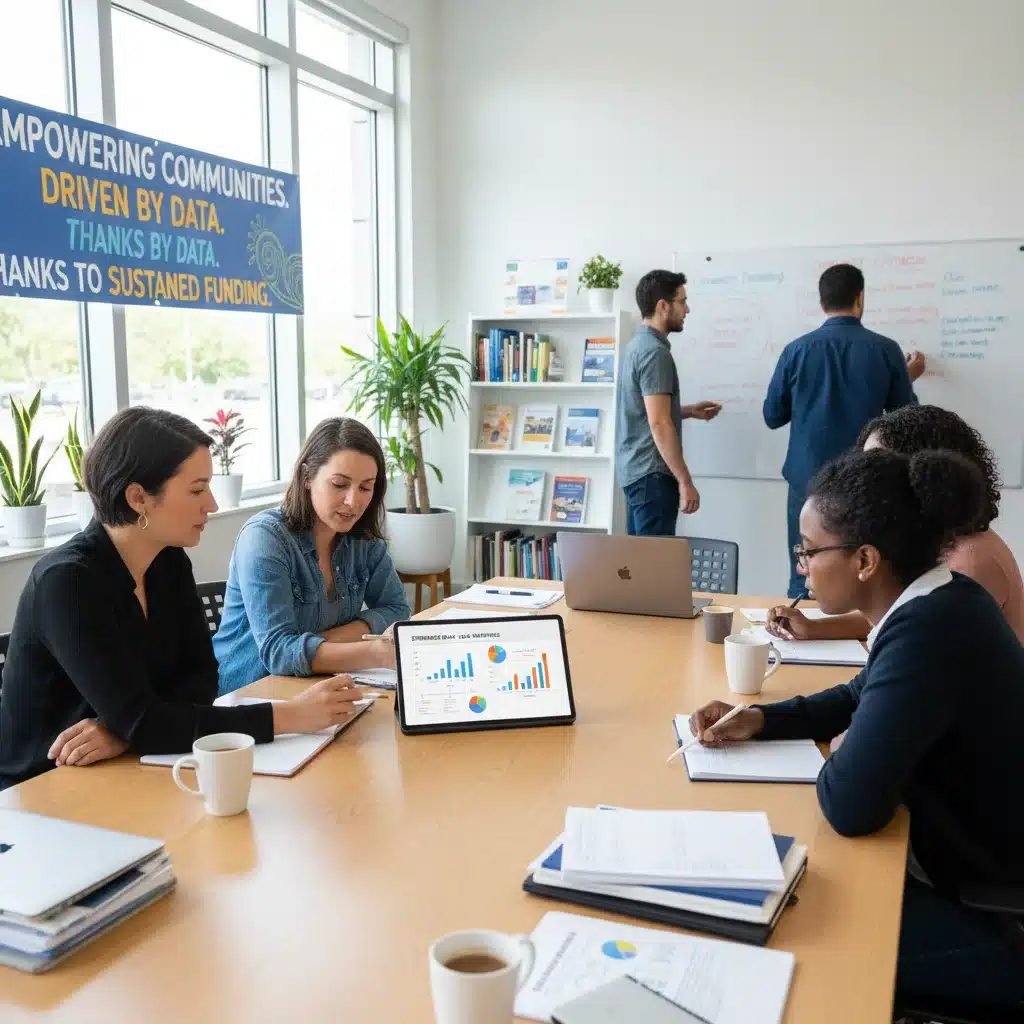
Moreover, CRCs themselves have benefited from technological upgrades. Improved data management systems, client tracking software, and secure communication platforms have enhanced operational efficiency and allowed centers to better measure their impact. This data-driven approach, supported by the American Rescue Plan 2026, enables CRCs to advocate more effectively for continued funding and tailor their services to precise community needs, ensuring resources are utilized optimally.
Strengthening Partnerships and Community Resilience
The American Rescue Plan 2026 has also been instrumental in fostering stronger collaborations between CRCs and other local organizations. The funding often encouraged a more integrated approach to community challenges, prompting CRCs to forge new partnerships with healthcare providers, educational institutions, local businesses, and government agencies. This interconnectedness has created a more robust safety net for communities.
For example, CRCs have partnered with local health departments to host vaccination clinics and provide health screenings, extending public health services into accessible community settings. Collaborations with school districts have led to after-school programs, tutoring services, and family support initiatives, addressing the holistic needs of students and their families. These partnerships, solidified by the resources of the American Rescue Plan, represent a significant stride towards building truly resilient communities capable of weathering future crises.
The emphasis on local solutions, empowered by federal resources, has allowed communities to tailor responses to their unique contexts. By 2026, these collaborative frameworks are not just operational but deeply embedded in the fabric of local support systems, demonstrating a sustainable model of community resilience that transcends individual funding cycles.
Challenges and Future Outlook for CRCs in 2026
While the impact of the American Rescue Plan 2026 has been overwhelmingly positive, CRCs are not without their challenges. As the initial federal funding streams mature and some programs conclude, centers face the ongoing task of securing sustainable funding to maintain their expanded services. This requires innovative fundraising strategies, diversification of revenue streams, and continued advocacy at local, state, and national levels.
Another challenge lies in adapting to evolving community needs. While the American Rescue Plan addressed immediate crisis-related issues, communities continue to face new and persistent problems, from housing affordability to climate change impacts. CRCs must remain agile, continuously assessing community needs and adjusting their programs accordingly. The foundational investments made possible by the American Rescue Plan 2026 provide a strong platform for this adaptability, but ongoing innovation is crucial.
Workforce retention also remains a significant concern. The increased demand for services often translates into higher workloads for staff, and competitive salaries can be difficult to maintain without consistent funding. Investing in the CRC workforce, through training, professional development, and fair compensation, is essential for the long-term viability and effectiveness of these centers.
Despite these challenges, the future outlook for CRCs, buoyed by the enduring legacy of the American Rescue Plan, remains optimistic. The plan has undeniably strengthened the capacity of these centers, transforming them into more robust, efficient, and interconnected entities. The lessons learned and the infrastructure built during this period will serve communities for years to come, enabling CRCs to continue their vital work as anchors of support and engines of positive change.
Case Studies: Real-World Transformations
To illustrate the tangible effects of the American Rescue Plan 2026, let’s consider a few hypothetical, yet representative, examples of how CRCs have been transformed:
The ‘Bridge to Opportunity’ Initiative in Willow Creek
In the rural town of Willow Creek, the local CRC utilized American Rescue Plan funds to launch the ‘Bridge to Opportunity’ initiative. This program focused on digital literacy and broadband access. Previously, many residents lacked reliable internet and basic computer skills, hindering their access to remote jobs and online education. With the funding, the CRC established a state-of-the-art computer lab, offered free internet access, and provided intensive training courses. By 2026, the initiative has seen over 500 residents gain certifications in various digital skills, leading to a 30% increase in local remote employment and significantly improved access to telehealth services, directly showcasing the long-term impact of the American Rescue Plan 2026.
‘Healthy Futures’ Program in Metroville
Metroville, a bustling urban center, faced significant mental health challenges exacerbated by the pandemic. Its CRC, with the help of the American Rescue Plan, developed the ‘Healthy Futures’ program. This involved hiring five new licensed therapists, establishing a 24/7 mental health hotline, and creating mobile outreach units to serve underserved neighborhoods. By 2026, the program has provided over 10,000 counseling sessions, reduced emergency room visits for mental health crises by 15%, and fostered a more open dialogue about mental wellness in the community. This demonstrates how the American Rescue Plan 2026 continues to fund crucial health initiatives.
‘Sustainable Harvest’ Project in Coastal Bend
In Coastal Bend, a region heavily reliant on seasonal tourism, the CRC used American Rescue Plan funds to create the ‘Sustainable Harvest’ project. This initiative focused on food security and economic diversification. They established a large community farm, employed residents in agricultural training, and developed a cooperative model for distributing fresh produce to local families and restaurants. By 2026, the farm is self-sustaining, provides fresh food to over 300 families weekly, and has created 20 permanent jobs, offering a resilient economic alternative and improving local nutrition, a direct outcome of the American Rescue Plan 2026‘s initial investment.
The Policy Implications of Sustained Funding
The continued impact of the American Rescue Plan 2026 also carries significant policy implications. The successes observed in CRCs highlight the effectiveness of targeted federal investment in community-level organizations. This provides a strong argument for future legislative actions that prioritize direct funding and capacity building for local service providers.
Policymakers can learn valuable lessons from how CRCs adapted and thrived under the American Rescue Plan. The flexibility in funding, coupled with accountability measures, allowed centers to innovate and respond effectively to unique local needs. This model could inform future federal initiatives aimed at addressing systemic inequalities and building community resilience against a range of future challenges, from economic downturns to natural disasters.
Furthermore, the data collected by CRCs, enabled by improved technological infrastructure, offers invaluable insights into community needs and the efficacy of various interventions. This evidence base can be used to advocate for more streamlined funding processes, reduced administrative burdens for non-profits, and policies that foster greater collaboration across different levels of government and the non-profit sector. The long-term vision of the American Rescue Plan 2026 extends beyond mere financial aid; it’s about building a more responsive and equitable social support system.
Conclusion: A Resilient Future for Community Resource Centers
As we assess the ongoing influence of the American Rescue Plan 2026, it is clear that its impact on Community Resource Centers is far-reaching and deeply ingrained. What began as an emergency response has evolved into a catalyst for systemic change, empowering CRCs to expand their services, embrace technological innovation, and forge stronger community partnerships. These centers have emerged from a period of crisis not just surviving, but thriving, equipped with enhanced capabilities and a renewed sense of purpose.
The journey towards sustained impact is not without its hurdles, particularly concerning long-term funding and adaptability. However, the foundational investments made possible by the American Rescue Plan have created a robust framework upon which CRCs can continue to build. They stand as enduring testaments to the power of targeted federal support in fostering local resilience, promoting equity, and ensuring that no community member is left behind. The legacy of the American Rescue Plan 2026 will undoubtedly continue to shape the future of community support for generations to come, reinforcing the critical role of CRCs as indispensable assets in the nation’s social fabric.