In an era where sustainability and personal finance are inextricably linked, the concept of food waste has taken center stage. Globally, an astonishing one-third of all food produced for human consumption is lost or wasted. This isn’t just an environmental catastrophe; it’s a significant drain on household budgets and a stark reflection of inefficient consumer habits. Our ambitious goal for this article is to empower you with the knowledge and actionable strategies to significantly reduce food waste by 25% by 2026, directly impacting your financial well-being and contributing to a more sustainable future.
Imagine reclaiming a quarter of the money you currently spend on food that ends up in the trash. This isn’t a pipe dream; it’s an achievable target with mindful planning, smarter shopping, and innovative storage techniques. Beyond the financial benefits, reducing food waste alleviates the strain on natural resources, lessens greenhouse gas emissions, and supports a more equitable food system. Let’s embark on this transformative journey together, turning good intentions into tangible results.
Anúncios
The journey to significantly reduce food waste begins with understanding its root causes. Often, food waste stems from a combination of over-purchasing, poor storage, misunderstanding expiration dates, and a lack of meal planning. By addressing these core issues, we can implement systemic changes in our daily routines that yield substantial benefits.
The Alarming Reality: Why We Need to Reduce Food Waste
Before diving into solutions, it’s crucial to grasp the magnitude of the problem. Food waste isn’t merely an inconvenience; it’s a global crisis with far-reaching implications. From an environmental perspective, wasted food accounts for a staggering percentage of greenhouse gas emissions. When food rots in landfills, it produces methane, a potent greenhouse gas twenty-five times more damaging than carbon dioxide. The resources invested in producing, transporting, and storing this wasted food – water, energy, labor, and land – are also squandered, exacerbating environmental degradation.
Anúncios
Economically, the impact on individual households is profound. The average American family of four throws away approximately $1,500 worth of food annually. This is not insignificant. For many, this amount could cover utility bills, contribute to savings, or fund a small vacation. When we consider the cumulative effect across millions of households, the financial loss becomes astronomical. Learning to reduce food waste is, therefore, not just an ethical choice but a financially savvy one.
Socially, food waste highlights a paradox: while millions go hungry, vast quantities of edible food are discarded. Addressing food waste can free up resources and surplus food to feed those in need, fostering greater food security and social equity.
Phase 1: Smart Grocery Shopping – The Foundation of Waste Reduction
The battle against food waste is often won or lost before you even step foot in the grocery store. Smart grocery shopping is the cornerstone of any effective strategy to reduce food waste. It involves a shift from impulsive buying to thoughtful, planned purchasing.
Mastering the Art of Meal Planning
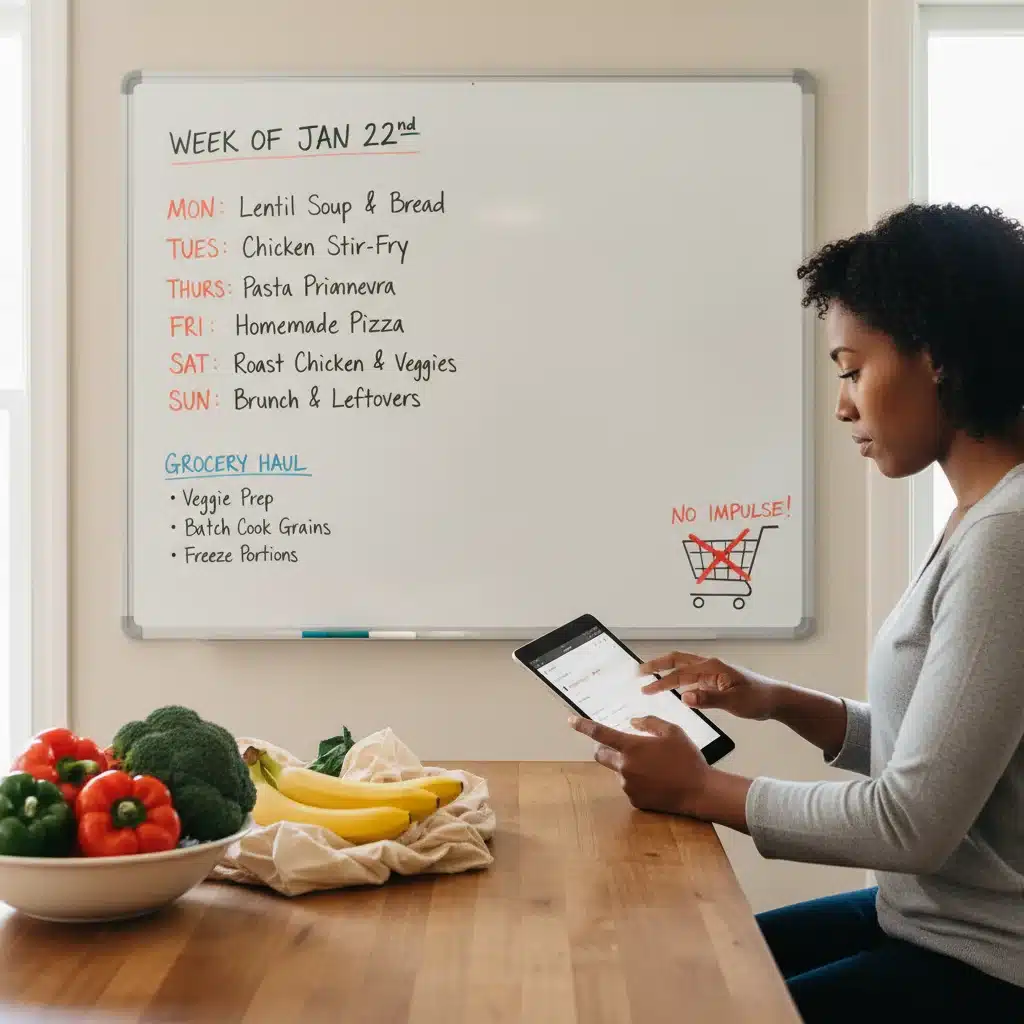
Meal planning is perhaps the single most impactful strategy for reducing food waste. It provides a clear roadmap for your weekly meals, dictating exactly what ingredients you need and in what quantities. Without a plan, you’re more susceptible to buying items you don’t need, forgetting staples, or purchasing too much of something that will spoil before you can use it.
- Weekly Menu Creation: Dedicate time each week to plan out all your meals – breakfast, lunch, dinner, and snacks. Consider your schedule, dietary preferences, and any existing ingredients you need to use up.
- Ingredient Inventory: Before planning, conduct a thorough inventory of your pantry, refrigerator, and freezer. Note down what you already have and prioritize using those items in your meal plan. This prevents duplicate purchases and ensures older ingredients are consumed first.
- Portion Control: Plan realistic portion sizes to avoid cooking too much food. If you enjoy leftovers, factor them into your plan for subsequent meals or lunches.
- Flexibility is Key: While planning is important, allow for some flexibility. If a recipe calls for an ingredient you don’t have, be open to substitutions or adjusting your plan.
Crafting the Perfect Grocery List
Once your meal plan is solid, creating a detailed grocery list becomes effortless. This list is your shield against impulse buys and forgotten necessities, both of which contribute to food waste.
- Categorize Your List: Organize your list by grocery store sections (produce, dairy, pantry, frozen) to streamline your shopping trip. This saves time and reduces the likelihood of wandering and making unplanned purchases.
- Be Specific with Quantities: Instead of just writing ‘apples,’ specify ‘4 apples.’ This precision helps you buy exactly what you need and avoids over-purchasing.
- Check Expiration Dates (Before Buying): While shopping, quickly check the expiration or ‘best by’ dates on perishable items. Choose items with later dates if you don’t plan to use them immediately. This extends their shelf life in your home.
- Avoid Shopping When Hungry: This age-old advice holds true. Shopping on an empty stomach often leads to impulse buys and purchasing more than you need, increasing the likelihood of waste.
By diligently following these smart shopping principles, you’ll find yourself bringing home only what you truly need, setting the stage for significant progress in your quest to reduce food waste.
Phase 2: Optimized Food Storage – Extending Freshness and Preventing Spoilage
Even the most meticulously planned grocery haul can fall victim to poor storage. Proper food storage is critical for extending the shelf life of your ingredients and preventing premature spoilage. This phase focuses on techniques and habits that ensure your food stays fresh longer, helping you to reduce food waste effectively.
Understanding Your Refrigerator and Pantry
Your refrigerator and pantry are not just storage spaces; they are environments that need to be optimized for different types of food.
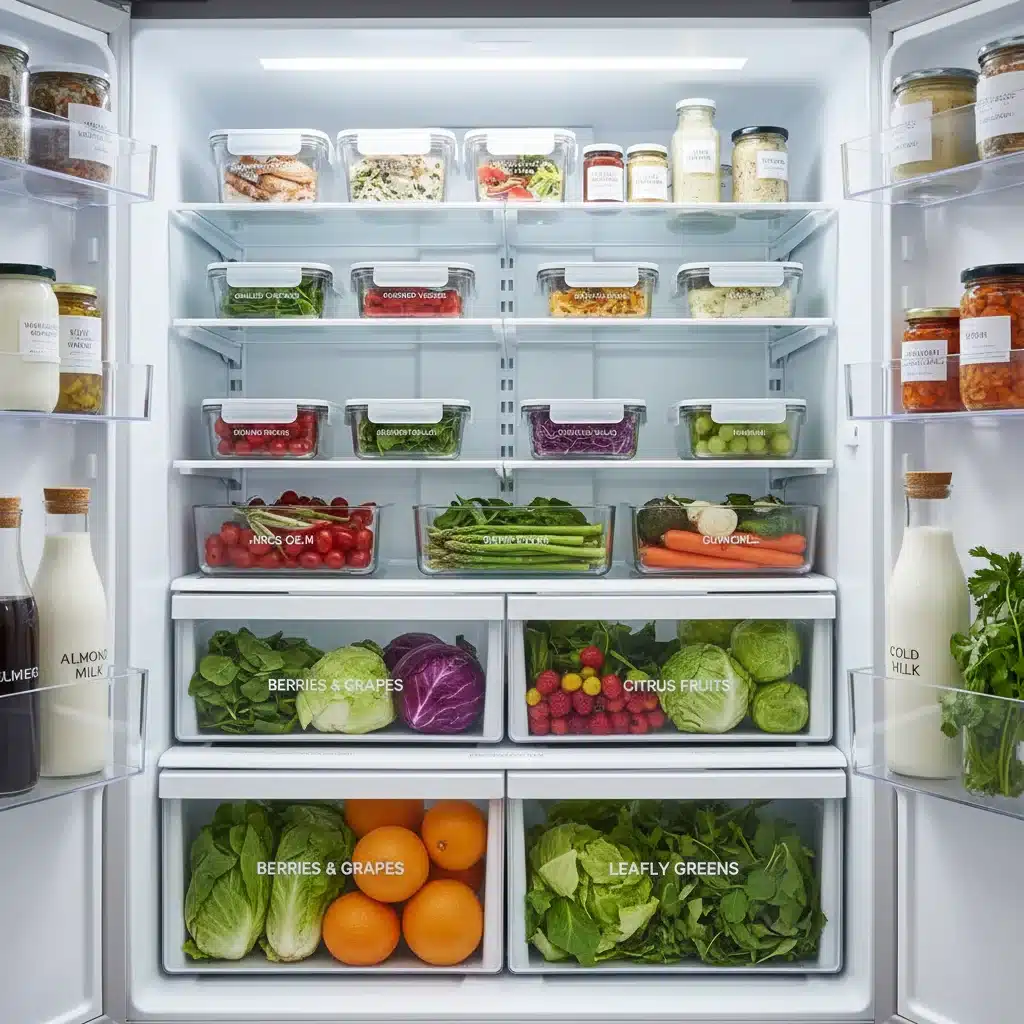
- Refrigerator Zones: Different areas of your fridge have varying temperatures. The top shelf is generally the warmest, suitable for leftovers and drinks. The middle shelves are ideal for dairy, eggs, and cooked meats. The bottom shelf is the coldest, perfect for raw meat (stored in sealed containers to prevent cross-contamination). Crisper drawers are designed to regulate humidity: high humidity for leafy greens and low humidity for fruits.
- Pantry Organization: Keep your pantry cool, dark, and dry. Store grains, pasta, canned goods, and root vegetables here. Use airtight containers for opened packages of dry goods to protect against pests and maintain freshness.
- First-In, First-Out (FIFO): Implement the FIFO method. When you buy new groceries, move older items to the front of your fridge and pantry so they are used first. This simple practice prevents items from getting lost and spoiling at the back.
Effective Storage Techniques for Various Foods
Specific foods require specific storage methods to maximize their longevity.
- Produce:
- Leafy Greens: Wash, dry thoroughly, and store in an airtight container lined with a paper towel. This absorbs excess moisture and prevents wilting.
- Berries: Do not wash until ready to eat. Store in a single layer in a shallow container in the fridge. Consider a vinegar bath (1 part vinegar to 3 parts water) to kill mold spores, then rinse and dry thoroughly before storing.
- Herbs: Treat like a bouquet of flowers. Trim stems, place in a glass of water, and cover loosely with a plastic bag in the fridge.
- Avocados/Tomatoes: Store at room temperature until ripe, then move to the fridge to slow ripening.
- Onions/Potatoes: Store in a cool, dark, well-ventilated place, but separately. Onions release gases that can make potatoes sprout faster.
- Dairy & Eggs: Store eggs in their original carton on a middle shelf, not the door (temperature fluctuations). Dairy products should also be stored on middle shelves.
- Meat & Poultry: Store raw meat on the bottom shelf of the fridge to prevent juices from contaminating other foods. If not using within a couple of days, freeze it immediately.
- Bread: Store at room temperature for a few days. For longer storage, freeze sliced bread. Do not refrigerate, as it can dry out bread faster.
Leveraging Your Freezer
Your freezer is an invaluable tool in the fight to reduce food waste. It acts as a pause button, preserving food for months without significant loss of quality.
- Batch Cooking: Cook larger quantities of meals and freeze individual portions for quick, homemade meals later.
- Freezing Leftovers: Don’t let leftovers go to waste. Freeze them in appropriate containers.
- Freezing Produce: Many fruits and vegetables can be frozen. Blanch vegetables before freezing to preserve color and texture. Fruits can often be frozen raw, especially berries for smoothies.
- Labeling is Crucial: Always label frozen items with the date and content. This helps you remember what you have and ensures you use older items first.
Phase 3: Creative Cooking & Reimagining Leftovers – Maximizing Every Morsel
Even with the best planning and storage, you might find yourself with surplus ingredients or small amounts of leftovers. This is where creative cooking comes into play, transforming potential waste into delicious new meals. Embracing this mindset is vital to truly reduce food waste.
The Art of "Use It Up" Meals
Think of your kitchen as a culinary laboratory where no ingredient is too small or too odd to be incorporated into a meal.
- Soups and Stocks: Vegetable scraps (peelings, ends, wilted greens) are perfect for making flavorful vegetable stock. Similarly, leftover roasted chicken bones can become a rich chicken stock. Combine various leftover vegetables into a hearty soup.
- Frittatas and Omelets: These are ideal for using up small amounts of cooked vegetables, cheeses, or even diced meats.
- Stir-fries and Fried Rice: Excellent for incorporating various leftover cooked grains, vegetables, and proteins.
- Smoothies: Overripe fruits and even some leafy greens (like spinach) that are past their prime for salads can be blended into nutritious smoothies.
- Pestos and Sauces: Wilting herbs can be turned into a vibrant pesto. Overripe tomatoes can become a rustic sauce.
Understanding "Best By," "Use By," and "Sell By" Dates
A significant amount of food waste occurs due to confusion around food labeling. It’s crucial to understand what these terms actually mean:
- "Best By" or "Best Before": This indicates when a product will be of the best quality or flavor. It is *not* a safety date. Foods are often perfectly safe to eat well past this date, though their quality might slightly diminish.
- "Use By" or "Expiration Date": This is a safety date, primarily for highly perishable foods like dairy, meat, and deli products. Consuming food past this date may pose a health risk.
- "Sell By": This date is for retailers, indicating how long a product should be displayed for sale. It gives consumers time to use the product at home after purchase. It’s not an indicator of food safety for the consumer.
Always use your senses – sight, smell, and touch – to determine if food is still good. If it looks, smells, or feels off, it’s best to discard it, regardless of the date. However, don’t throw away perfectly good food just because it’s past its "best by" date.
Transforming Leftovers into New Meals
Leftovers don’t have to be boring. With a little creativity, they can be transformed into entirely new dishes, further helping you to reduce food waste.
- Roast Chicken Remix: Leftover roast chicken can become chicken salad sandwiches, tacos, quesadillas, or a topping for a pizza.
- Vegetable Scraps: Beyond stock, vegetable scraps can be roasted into crispy snacks or added to casseroles.
- Stale Bread: Don’t toss stale bread! Make croutons, breadcrumbs, or French toast.
- Rice Reimagined: Leftover rice is perfect for fried rice, rice pudding, or even rice balls.
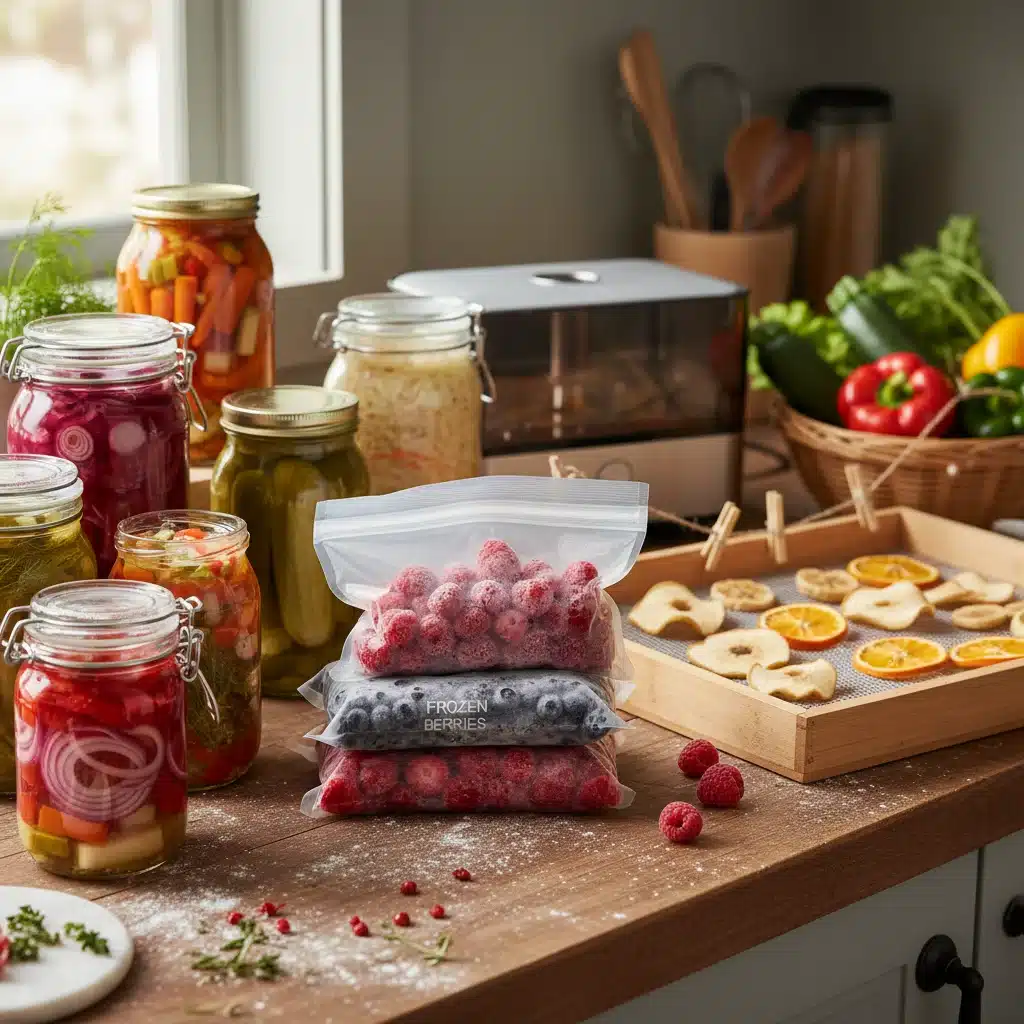
By adopting a mindset of resourcefulness and culinary creativity, you’ll find joy in using every part of your ingredients and significantly reduce food waste.
Phase 4: Advanced Strategies and Sustainable Practices
Once you’ve mastered the basics of smart shopping, optimized storage, and creative cooking, you can delve into more advanced strategies that further bolster your efforts to reduce food waste and embrace a truly sustainable lifestyle.
Composting: The Ultimate End-of-Life for Food Scraps
Even with the most diligent efforts, some food waste is inevitable – think vegetable peels, coffee grounds, and fruit cores. This is where composting becomes an invaluable practice. Composting diverts organic waste from landfills, where it would produce harmful methane, and instead transforms it into nutrient-rich soil amendment for your garden or houseplants.
- Indoor Composting (Worm Bins): For apartment dwellers or those with limited outdoor space, a worm bin (vermicomposting) is an excellent option for composting kitchen scraps.
- Outdoor Composting: If you have a yard, a traditional compost pile or bin can handle larger quantities of food scraps and yard waste.
- Community Composting: Many communities offer food scrap drop-off programs or curbside collection services. Check with your local municipality for options.
Composting not only helps to reduce food waste but also enriches your soil, reduces the need for chemical fertilizers, and completes the natural cycle of decomposition.
Supporting Local and Imperfect Produce
Consider supporting local farmers’ markets, where you might find "imperfect" produce – fruits and vegetables that are oddly shaped or slightly bruised but perfectly edible. These items are often discarded by conventional supermarkets due to aesthetic standards, contributing to significant food waste at the farm level. By purchasing imperfect produce, you help farmers reduce their waste and often get fresh, local ingredients at a lower price.
Mindful Eating and Portion Control
Beyond the kitchen, our eating habits also play a role in food waste. Practicing mindful eating – paying attention to your body’s hunger and fullness cues – can prevent over-serving and leaving food on your plate. Similarly, serving appropriate portion sizes, especially in restaurants, can minimize plate waste. If dining out, don’t hesitate to ask for a doggy bag for your leftovers.
Educating Others and Spreading Awareness
Your efforts to reduce food waste can inspire others. Share your tips and successes with family, friends, and on social media. The more people who adopt these practices, the greater the collective impact on our environment and economy.
Measuring Your Progress and Staying Motivated
Achieving a 25% reduction in food waste by 2026 is an ambitious but attainable goal. To stay motivated and track your progress, consider these steps:
- Food Waste Audit: For a week or two, keep a small tally of the food you throw away. This will give you a baseline and highlight common culprits. Revisit this audit periodically to see how much you’ve improved.
- Track Your Savings: As you reduce food waste, you’ll naturally save money. Keep a rough estimate of how much you’re saving on groceries and takeout. Seeing the financial benefits can be a powerful motivator.
- Celebrate Small Wins: Acknowledge your progress, no matter how small. Every meal saved from the trash is a victory.
- Continuous Learning: The world of food waste reduction is constantly evolving. Stay curious, try new recipes, and explore different preservation techniques.
By consistently applying these strategies – from smart shopping and optimized storage to creative cooking and composting – you will not only reach your goal of reducing food waste by 25% by 2026 but also cultivate a more sustainable, financially sound, and mindful lifestyle.
The journey to reduce food waste is a marathon, not a sprint. It requires commitment, creativity, and a willingness to change old habits. But the rewards – a healthier planet, a healthier wallet, and a deeper appreciation for the food we eat – are immeasurable. Start today, make small changes, and watch as your efforts accumulate into a significant positive impact. Your future self, and the planet, will thank you.