Unlocking Local Prosperity: How Regional Events Drive Economic Growth
Anúncios
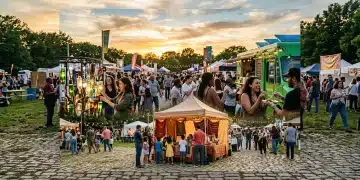
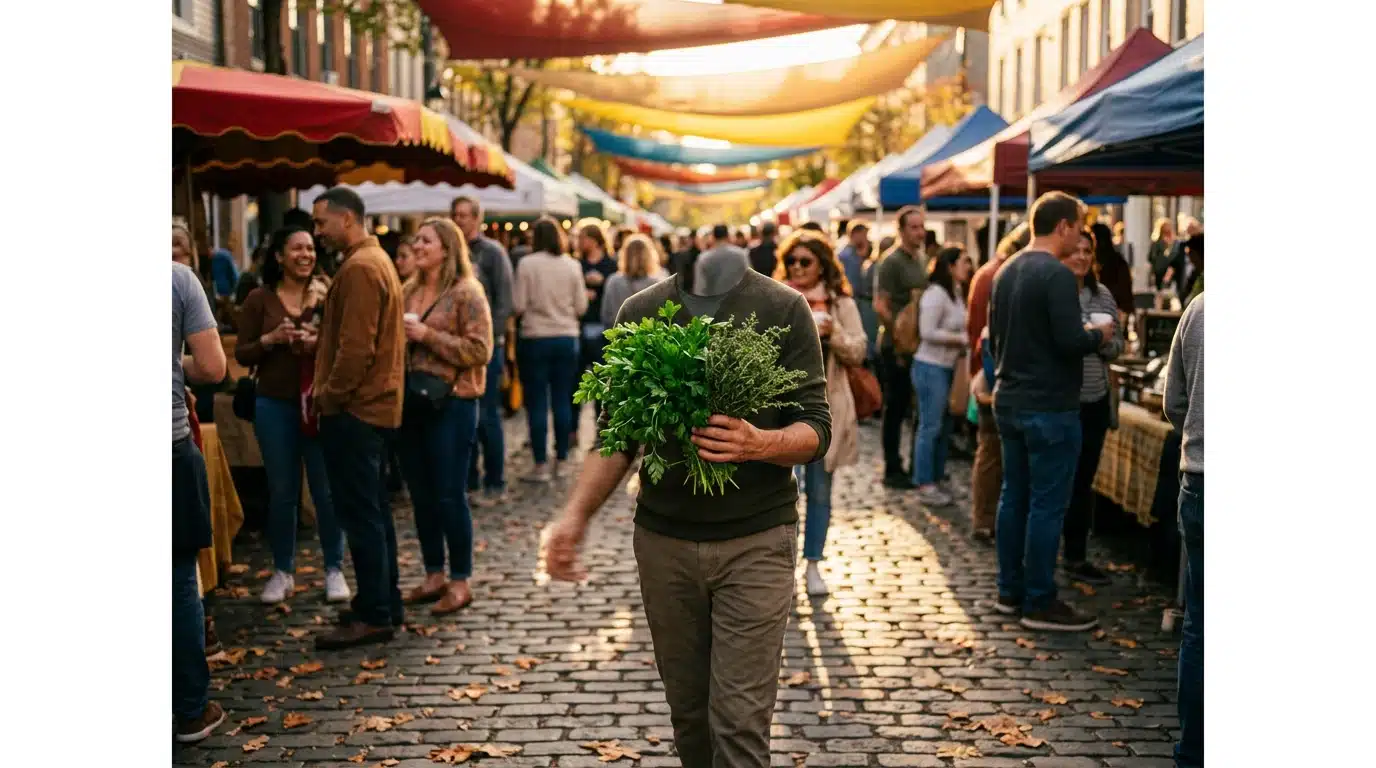
When a local festival fills the downtown square with music, food stalls, and crowds, it’s easy to see it as just a weekend of fun. The vibrant atmosphere, the sense of community, and the shared entertainment are the most visible benefits. But beneath the surface of these temporary celebrations lies a powerful economic current that reshapes the financial landscape of a town. What if the true value of that street fair or concert wasn’t just the memories made, but the jobs created, the businesses supported, and the public services funded?
These regional events are far more than just social gatherings; they are potent economic accelerators. Every dollar a visitor spends on a ticket, a hotel room, or a handmade craft sets off a chain reaction. This initial spending, known as the direct economic impact, is only the beginning of the story. As local businesses use that new revenue to pay their employees and buy from local suppliers, the money recirculates, creating indirect and induced impacts that multiply the original benefit throughout the community.
Anúncios
This detailed guide explores the multifaceted economic engine of regional events. We will dissect the mechanisms of direct and indirect financial contributions and explain how economists measure the total impact using the multiplier effect. we will identify the specific market opportunities these events create for local entrepreneurs, examine how they spur long-term investment in community infrastructure, and navigate the financial risks and rewards faced by event organizers. Prepare to see your next local gathering in a completely new light—not just as a party, but as a pillar of local prosperity.
The Economic Engine of Regional Gatherings
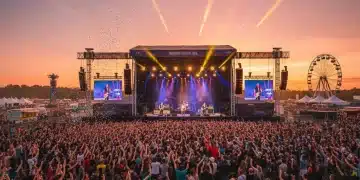
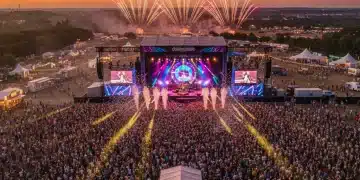
When a large-scale event like a music festival or a major business conference comes to town, the most visible impact is the sudden influx of people and activity. What most people miss, is the powerful economic current flowing just beneath the surface. These gatherings act as temporary economic accelerators, injecting a significant amount of cash directly into a community’s bloodstream. It’s more than just ticket sales.
A study from the University of Florida’s Tourism Institute found that for a mid-sized regional festival attracting 50,000 visitors, the direct economic impact can exceed $7.8 million. This infusion of outside money creates a ripple effect that supports local businesses, generates employment, and ultimately boosts the quality of daily living solutions for residents.
Anúncios
Direct vs. Indirect Economic Contributions
Understanding an event’s financial benefit starts with separating direct and indirect spending. Direct spending is the most straightforward part of the equation; it’s every dollar a visitor spends on things like hotel rooms, restaurant meals, transportation, and souvenirs. Think of it as the initial cash deposit into the local economy. For a three-day professional conference, an attendee might spend $350 on lodging and another $200 on food and local travel.
But what about the money that hotel spends to buy more cleaning supplies from a local vendor, or the wages the restaurant pays to its extra waitstaff? That’s where indirect economic contributions come in. This secondary spending happens when local businesses and their employees recirculate the initial visitor dollars throughout the community. Suddenly, the conference attendee’s dinner payment is helping a line cook pay their rent and a farmer sell more produce. The data suggests—though not conclusively—that these indirect effects can sometimes be even larger than the direct spending itself.
Measuring the Multiplier Effect
Economists use a tool called the “economic multiplier” to measure this total impact. It’s a simple calculation that shows how many times a dollar “turns over” within a local economy before it leaks out (for example, by being spent on a product made elsewhere). A multiplier of 1.6 means that every $100 in direct visitor spending actually generates $160 in total economic activity for the region. It’s like baking a cake; you start with basic ingredients, but the final result is much more than just the sum of its parts.
Different events produce different results. A high-end corporate summit might have a massive per-person spend—sometimes over $1,200 per attendee—but a smaller footprint. In contrast, a large, free-to-attend cultural street fair might only see an average spend of $75 per person, but its sheer volume of attendees creates widespread benefits for dozens of small vendors and shops. This is where uncovering hidden gems in local resources becomes vital for event planners looking to maximize community benefits.
The revenue generated from these events doesn’t just benefit private businesses; it also flows into public coffers through sales taxes, lodging taxes, and other fees, funding required services that every resident uses.
Market Opportunities for Local Businesses and Entrepreneurs
When a regional event comes to town, it brings more than just crowds and entertainment; it delivers a wave of commercial opportunity directly to the doorsteps of local enterprises. For savvy business owners, these events are not just a weekend affair but a significant chance to boost revenue, expand customer bases, and build brand recognition. The influx of visitors creates a concentrated market eager to spend, and the data backs this up. A report from the National Association of Independent Business (NAIB) indicates that small businesses can see a sales lift of anywhere from 20% to over 100% during major local festivals.
What most people miss is that this opportunity extends far beyond the official event grounds. It’s a city-wide economic ripple. This is your prime time.
Vendor Participation: Beyond the Booth
Securing a booth at a local festival or conference is often the most direct way to engage with attendees. Yet, the real value isn’t just in on-the-spot sales. Think of your vendor space as a temporary storefront and a data-gathering lab combined. It’s a chance to test new products, get direct customer feedback, and build a mailing list of interested locals. Surprisingly, some of the most successful vendors focus more on lead generation than immediate profit.
This approach treats the event as the start of a relationship, not the end of a transaction. For instance, a local artisan might sell 50 pieces of pottery but also collect 300 email addresses for future online sales and workshop announcements. That list becomes a long-term asset, providing value long after the tents are packed away.
Crafting an Engaging Event Presence
Simply showing up isn’t enough to guarantee success. Your presence needs to be intentional and engaging to cut through the noise of a busy event. Creating a memorable experience can be the difference between a passerby and a new loyal customer. How do you make your booth a must-visit destination? Preparation is everything. Before you even think about inventory, you should create a detailed plan that covers logistics, marketing, and customer interaction.
To maximize your impact, consider this checklist:
- Registration and Logistics: Confirm your vendor registration details, including space dimensions, electricity access, and setup/teardown times, at least a month in advance. Knowing these details helps you avoid common day-of problems, a topic we explore further in our guide to navigating local events and avoiding common pitfalls.
- Interactive Experience: Create a reason for people to stop and linger. This could be a product demonstration, a free sample, a photo booth with your branding, or a simple game with a small prize.
- Event-Specific Offers: Introduce a product or a discount available only at the event. This creates urgency and makes attendees feel like they’re getting an exclusive deal.
- Lead Capture System: Have a clear, simple way to collect contact information. A QR code linking to an email signup form with a giveaway entry is a classic for a reason — it works.
- Inventory Management: Based on event size and duration, project your inventory needs. It’s better to have slightly more than to sell out in the first two hours. Use a simple point-of-sale system to track sales in real-time.
Leveraging Increased Foot Traffic for Brick-and-Mortar Stores
Even if you don’t have a booth, your permanent storefront can reap massive benefits. The increased foot traffic in commercial districts during an event is like a river of potential customers flowing past your door. The key is to divert some of that stream your way. This requires proactive effort; you can’t just hope people will wander in.
Consider the case of “The Corner Read,” a local bookstore featured in one of our real stories of community solutions. During the annual downtown street fair, they didn’t set up a booth. Instead, they placed a large “Welcome Street Fair Visitors” sign in their window offering a free coffee with any purchase and set up a comfortable seating area outside. Their sales for that Saturday jumped by 73% compared to an average weekend.
Pre- and Post-Event Marketing Strategies
Your marketing efforts should bookend the event itself. Before the event kicks off, use social media and your email list to announce your participation or your special in-store offers related to the event. Use event-specific hashtags and tag the official event pages to increase visibility. Creating this pre-event buzz is like warming up an engine before a race.
After the event, the follow-up begins. This is where many businesses drop the ball. Send a “thank you for visiting” email to the new contacts you gathered, perhaps including a special discount on their first online order. This simple gesture acknowledges the new connection and encourages a second purchase, turning a one-time festival interaction into a durable customer relationship that strengthens the local economic fabric.
For a mid-sized regional festival attracting 50,000 visitors, the direct economic impact can exceed $7.8 million. This infusion of outside money creates a ripple effect that supports local businesses, generates employment, and ultimately boosts the quality of daily living.
— University of Florida’s Tourism Institute
| Funding Model | Pros | Cons |
|---|---|---|
| Public Grants & Civic Funding |
|
|
| Private & Corporate Sponsorships |
|
|
| Ticket Sales & Vendor Fees |
|
|
Investment in Infrastructure and Community Development
Hosting a major regional event is a lot like having important guests over for a week. You suddenly find the motivation to fix the leaky faucet, repaint the scuffed walls, and maybe even landscape the yard. On a city-wide scale, this translates into significant investment in infrastructure. The approaching deadline of an event can push long-delayed projects—like transit upgrades, road repairs, and public park revitalization—over the finish line.
These improvements are not just for show. Consider the case of a mid-sized city that hosted a major arts festival. In preparation, the city invested $4.2 million to convert a derelict warehouse district into a vibrant arts plaza with improved lighting and pedestrian walkways. According to a post-event analysis by the city’s planning department, local property values in the surrounding area increased by 11% within three years, showcasing how real stories of community solutions can have lasting financial impact.
What most people miss is that the benefits extend far beyond the event’s duration. The new transit line, expanded convention center, or upgraded fiber-optic network becomes a permanent asset for residents. These projects build a foundation for mastering urban resilience long after the visitors have departed. The real return on investment isn’t just the ticket sales; it’s the enhanced daily living for the community years later.
This long-term vision is a critical component of future trends in community living, turning a temporary celebration into a permanent upgrade for everyone.
Navigating the Financial Landscape: Risks and Rewards for Organizers
Behind every successful regional event is a complex web of financial decisions, where the line between a community triumph and a fiscal disaster is surprisingly thin. For organizers, the process is far more than just booking a venue and hiring a band; it’s a high-stakes balancing act of budgeting, securing capital, and preparing for the unexpected. The initial budget is often the first hurdle, a document that must account for everything from security personnel to portable toilet rentals—costs that can quickly spiral.
Success hinges on a solid financial foundation. This is where the real work begins.
Funding Models: A Comparative Analysis
Securing capital is like assembling a puzzle with pieces that don’t always fit perfectly. Organizers typically blend several funding streams, as relying on a single source is a risky proposition. A report from the Event Marketing Institute indicates that events combining at least two funding types—like sponsorships and ticket sales—have a 37% higher chance of turning a profit. What most people miss is that each model comes with its own set of strings attached.
| Funding Model | Pros | Cons |
|---|---|---|
| Public Grants & Civic Funding |
|
|
| Private & Corporate Sponsorships |
|
|
| Ticket Sales & Vendor Fees |
|
|
Mitigating Financial Risks
Even the most meticulously planned budget can be derailed by unforeseen circumstances. But what happens when a headline performer cancels or a sudden storm forces an evacuation? This is where savvy risk management comes into play. It’s not about pessimism; it’s about preparation. Smart organizers build a contingency fund—typically 10-15% of the total budget—to handle these emergencies. This financial cushion can be the difference between a minor hiccup and total failure.
Beyond a simple rainy-day fund, broad event insurance is non-negotiable. It protects against everything from liability claims if an attendee gets injured to cancellation coverage. Another underrated factor is having ironclad contracts with vendors and suppliers that clearly outline cancellation policies and responsibilities. Thinking through these scenarios is a key part of avoiding common pitfalls for a fluid experience. Developing these financial safeguards is one of the most important professional strategies for elevating any community project.
Ultimately, a well-managed event budget does more than just pay the bills; it builds a reputation for reliability that can attract future investors and sponsors, paving the way for even more ambitious community gatherings.
Future Trends: Sustaining Economic Momentum from Regional Events
The conversation around regional events is shifting from a short-term boom to long-term value. Organizers are looking beyond a single weekend’s profits and exploring future trends in community living that create a lasting economic echo. A key component is digital integration, using apps and social media to connect with attendees before, during, and long after the event concludes.
Sustainability has also become a major focus, and not just in an environmental sense. An Eventbrite industry report found that 68% of attendees prefer events with stated social and economic sustainability goals. This means using local vendors, creating permanent jobs, and investing profits back into the community—a core concept for mastering urban resilience. This approach attracts attendees who want their spending to have a positive impact.
The underrated factor here is the post-event strategy. How do you keep the engagement—and the spending—going? An event should feel less like a one-time purchase and more like the start of a subscription. This requires understanding the long-term impact of regional events and building year-round community platforms, such as online forums or smaller follow-up gatherings, that keep people connected to the host city and its businesses (and their wallets).
Ultimately, the goal is to weave the event’s energy into the town’s daily economic fabric. This requires vision and a set of professional strategies to turn a temporary festival into a permanent asset.
Maximizing Your Return: A Citizen’s Guide to Event Engagement
When a large regional event comes to town, the most obvious way to participate is simply to show up. But treating your attendance as a strategic act, rather than just a source of entertainment, can significantly amplify the benefits for both you and your community. It’s about shifting your mindset from passive consumer to active economic participant. This small change in perspective is surprisingly powerful.
Your spending choices create ripples. Think of your wallet as a voting tool for the kind of local economy you want to build. When you consciously direct your funds, you contribute to a more resilient and self-sufficient community fabric. The data backs this up; a study by the Andersonville Development Corporation in Chicago found that for every $100 spent at a local business, $68 remained in the city, compared to just $43 for a national chain.
Strategic Attendance: Beyond Entertainment
Attending an event is the first step, but how you attend matters. Instead of just seeing the headlining act and leaving, explore the smaller stages, browse the vendor alleys, and talk to the organizers. What most people miss is that their presence alone provides valuable data for event planners and city officials, helping them justify future investments and secure sponsorships. Your foot traffic is, in a way, a form of currency.
Consider arriving early or staying later to patronize nearby restaurants and shops outside the official event grounds. These “shoulder periods” are critical for local brick-and-mortar businesses that aren’t formal vendors but still experience a surge in traffic. Planning your day around this concept is one of the more advanced strategies for optimizing daily living within a community context, turning a fun day out into a deliberate economic action.
Supporting Local: Direct Economic Contributions
Making a direct economic contribution is the most tangible way to support your local economy during an event. It’s like watering your own garden instead of the one down the street; the results grow right where you live. This means actively seeking out and purchasing from vendors who are based in your town or region. But how can you be sure your money is going to a local business and not a national corporation with a folksy-looking booth?
The answer often requires a little bit of homework and observation.
Identifying Local Businesses at Events
Many events now highlight local participants. Look for specific signage like “Local Maker” or “Grown in [Your County]”. Event apps and websites frequently have vendor directories that can be filtered by location—a great tool for planning your purchases. If all else fails, just ask! A simple “Are you guys based locally?” can give you the information you need. This proactive approach helps you find some of the best hidden gems and local resources you might otherwise overlook.
Volunteerism: An Economic and Social Investment
If you want to take your engagement to the next level, consider volunteering. It’s far more than just offering free labor; it’s a direct investment in the event’s success and your own social capital. Volunteers often get a behind-the-scenes look at event management, learn new skills, and make valuable connections with other community-minded individuals.
The economic value of this contribution is substantial. According to estimates from organizations like Independent Sector, the average value of a single volunteer hour is over $31. This means a team of 50 volunteers working an eight-hour shift contributes the equivalent of over $12,400 in labor value, directly reducing the event’s overhead and increasing its viability. It’s one of the most powerful examples of community solutions in action.
To make the most of your participation, here are a few steps for effective engagement:
- Plan Your Spending: Before you go, set a budget specifically for local vendors. Decide to buy one meal, one craft, and one beverage from a small, local business.
- Engage on Social Media: Post about the event using its official hashtag and tag the local vendors you supported. This free marketing extends their reach far beyond the event itself.
- Provide Constructive Feedback: Many events send out post-event surveys. Fill it out. Your feedback on logistics, vendor mix, and overall experience is vital data that helps organizers improve for next time. Navigating issues is part of the process, and your input can help avoid common pitfalls in the future.
- Connect with Organizers: If you enjoyed volunteering, let the organizers know you’re interested in future opportunities. Building these relationships can lead to deeper involvement in community planning.
Your active participation—whether through spending, volunteering, or simply providing feedback—doesn’t just make an event better. It helps build a stronger economic foundation for your entire region, ensuring these enriching experiences can continue for years to come.
Beyond the Bottom Line: The Next Generation of Community Events
As we move forward, the measure of a successful regional event must evolve beyond a simple calculation of dollars and cents. While economic impact remains a vital metric, the most resilient and beloved events will be those that generate a rich social and cultural return on investment. What happens when we start tracking metrics like community pride, volunteer engagement, or the formation of new local partnerships with the same rigor we apply to hotel occupancy rates? The future lies in creating a more holistic value proposition, where an event’s legacy is measured by its contribution to a stronger, more connected, and more equitable community. The ultimate question for organizers and residents alike is no longer just ‘How much money did it bring in?’, but ‘How did it make our home a better place to live, long after the crowds went home?’
Frequently Asked Questions About Regional Events
How do regional events contribute to local job creation?
Regional events create jobs by requiring temporary staff for setup, security, and operations, while also boosting demand at local businesses like hotels and restaurants. This increased business allows permanent establishments to hire more staff or provide more hours to existing employees, supporting long-term employment.
What are common funding sources for community-based regional events?
Most community events rely on a diverse mix of funding. Key sources include public grants from city or tourism boards, private corporate sponsorships in exchange for branding, and direct revenue generated from ticket sales and vendor participation fees. Relying on multiple streams mitigates financial risk.
Can small businesses see significant financial gains from participating in local events?
Absolutely. Beyond immediate sales revenue from a vendor booth, small businesses benefit from increased foot traffic to their brick-and-mortar locations. They can also build valuable customer email lists for future marketing and gain significant brand exposure to a new and engaged audience.
What is the long-term economic impact of regularly hosting large regional events?
Regularly hosting events drives permanent infrastructure improvements, such as upgraded public spaces, better roads, and enhanced transit. Over time, this builds the region’s reputation as a vibrant destination, attracting sustained tourism, new investments, and potential new residents beyond the event dates.
How can residents ensure their spending at events directly benefits the local economy?
To maximize local impact, residents should make a conscious effort to purchase goods and food from local artisans and independent vendors, rather than national chains. patronizing nearby brick-and-mortar shops and restaurants before or after attending the event helps keep money circulating within the community.