Remote Work Compliance 2026: Essential US Employer Checklist

Anúncios
The landscape of work has been irrevocably altered. What was once a niche benefit has become a mainstream operational model, with remote work continuing its upward trajectory. As we look towards 2026, the regulatory environment surrounding remote work is becoming increasingly complex, presenting both opportunities and significant challenges for US employers. Navigating these intricacies requires proactive planning and a deep understanding of evolving legal frameworks. This comprehensive guide will equip you with an insider’s practical checklist, focusing on the 5 key regulations for remote work compliance in 2026, ensuring your organization remains resilient, compliant, and competitive.
Anúncios
The shift to remote and hybrid models has brought unparalleled flexibility, but also a burgeoning set of legal and operational considerations. From ensuring fair labor practices across state lines to safeguarding sensitive data in distributed environments, the demands on employers are escalating. Ignoring these evolving regulations is not an option; non-compliance can lead to hefty fines, reputational damage, and significant operational disruptions. Our objective is to demystify this complex area, providing actionable insights to help US employers not just meet, but exceed, their remote work compliance obligations.
The Evolving Landscape of Remote Work Compliance
Before diving into the specifics, it’s crucial to understand the dynamic nature of remote work compliance. Unlike traditional office settings, remote work transcends geographical boundaries, bringing together a patchwork of federal, state, and even local laws. This multi-jurisdictional complexity is arguably the biggest hurdle for employers. What is permissible in one state might be illegal in another, and these regulations are not static. They are continually updated, amended, and introduced as legislators catch up to the realities of a distributed workforce.
Anúncios
For US employers, this means staying abreast of changes in labor laws, tax codes, data privacy regulations, and occupational safety standards across all jurisdictions where their remote employees reside. The ‘set it and forget it’ approach is a recipe for disaster. Instead, a continuous monitoring and adaptation strategy is essential for robust digital organization.
Why 2026 is a Pivotal Year for Remote Work Compliance
Why highlight 2026 specifically? Several factors converge to make it a critical juncture. Firstly, many temporary waivers and relaxed enforcement policies enacted during the initial pandemic response are either expiring or have already expired, bringing full regulatory scrutiny back into play. Secondly, states and municipalities are increasingly legislating specifically for remote work, creating a more fragmented and intricate legal map. Thirdly, advancements in technology, particularly AI and sophisticated monitoring tools, are raising new questions about employee privacy and surveillance, prompting legislative responses. Finally, the growing awareness among employees about their rights in a remote setting means increased scrutiny and potential litigation for non-compliant employers. Therefore, mastering remote work compliance by 2026 is not just good practice, it’s a strategic imperative.
Key Regulation 1: Multi-State Labor & Employment Law Harmonization
One of the most challenging aspects of remote work compliance is navigating the labyrinth of multi-state labor and employment laws. When an employee works remotely from a state different from the company’s headquarters, they are generally subject to the laws of their resident state, not just the state where the company is registered. This impacts everything from minimum wage and overtime rules to leave policies, anti-discrimination statutes, and even termination procedures.
Wage and Hour Laws Across State Lines
Every US state has its own minimum wage, overtime rules, and pay frequency requirements. For example, a company based in Texas (which adheres to federal minimum wage) with a remote employee in California must comply with California’s higher minimum wage and stricter overtime calculations. This extends to meal and rest breaks, final paychecks, and specific deductions. Employers must meticulously track employee locations and apply the correct state-specific wage and hour laws, a critical component of remote work compliance.
Leave Laws and Benefits
Family and medical leave (FMLA) is a federal law, but many states have their own, often more generous, paid family leave, sick leave, and parental leave laws. New York, California, and Washington, for instance, have robust paid family leave programs that remote employees in those states would be entitled to. Similarly, state-specific requirements for benefits such as workers’ compensation and unemployment insurance must be adhered to. Employers need to establish clear policies that address these state-specific entitlements to ensure comprehensive remote work compliance.
Anti-Discrimination and Harassment Policies
While federal laws like Title VII of the Civil Rights Act prohibit discrimination, many states have additional protected classes and more stringent anti-harassment training requirements. Employers must ensure their anti-discrimination and harassment policies are broad enough to cover all state-specific protections for their remote workforce. This includes conducting state-mandated training where applicable, a fundamental aspect of ethical and legal remote work compliance.
Best Practices for Harmonization:
- Geographic Mapping: Maintain an accurate record of where every remote employee resides and works.
- Policy Localization: Develop state-specific addenda to your employee handbook or create a centralized system that dynamically applies relevant state laws.
- Legal Counsel: Regularly consult with legal experts specializing in multi-state employment law to stay updated on changes.
- HRIS Integration: Utilize HR Information Systems (HRIS) that can handle multi-state compliance for payroll, benefits, and time tracking.
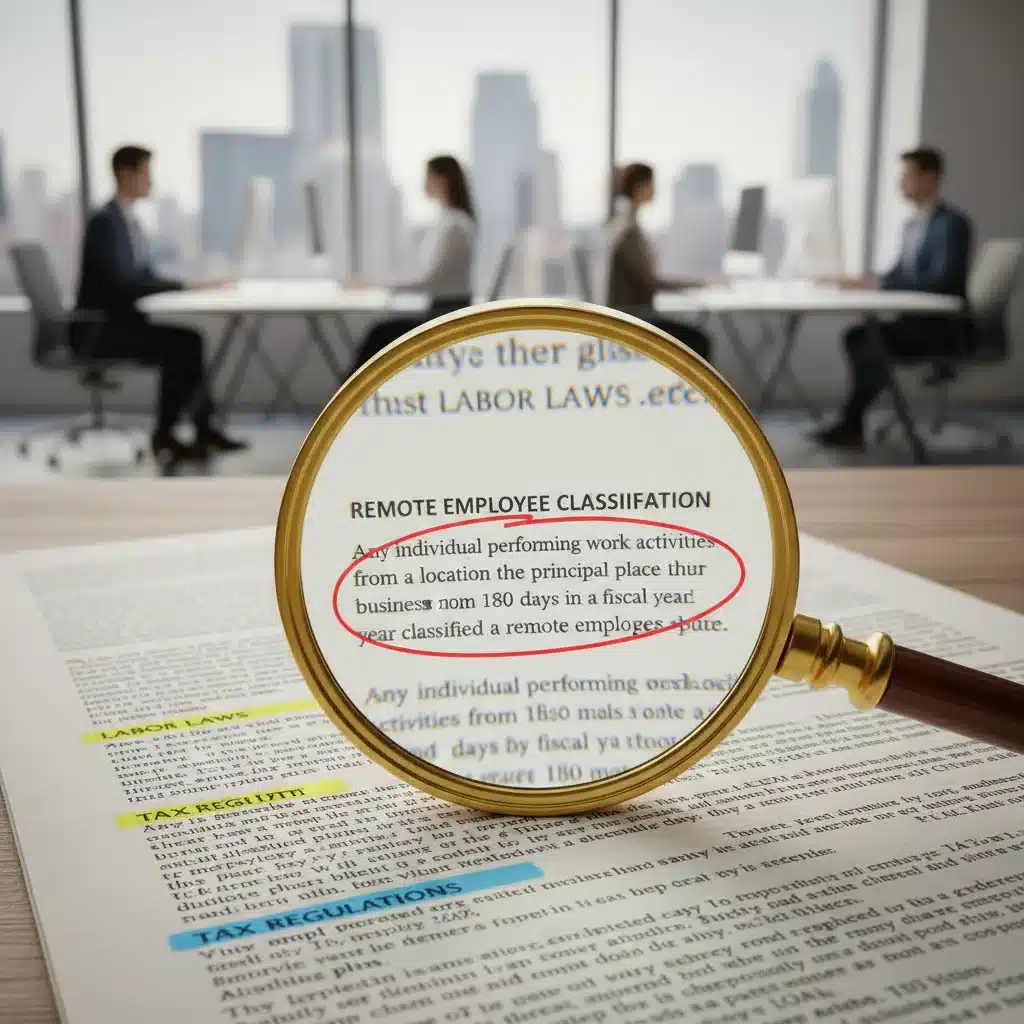
Key Regulation 2: State and Local Tax Compliance for Remote Employees
Taxation for remote employees is another monumental challenge in remote work compliance. It’s not just about federal income tax; employers must contend with state income tax, local income tax, unemployment insurance taxes, and workers’ compensation premiums, all of which can vary significantly based on where the employee performs their work.
Income Tax Withholding
The general rule is that employers must withhold state and local income taxes for the state and locality where the employee performs their duties. This means if your company is in Delaware but your employee works from their home in Pennsylvania, you must withhold Pennsylvania state income tax and any applicable local income taxes (e.g., city wage tax). The complexity multiplies when employees move between states or work from multiple locations throughout the year. This dynamic nature demands meticulous attention for effective remote work compliance.
Employer Tax Nexus
Having an employee working in a state can create a ‘tax nexus’ for the employer in that state. This means the employer might become subject to corporate income tax, sales tax, or other business taxes in that state, even if they don’t have a physical office there. Nexus rules vary widely by state and can be triggered by even a single remote employee. Understanding and managing nexus is fundamental to robust remote work compliance.
Unemployment Insurance (UI) and Workers’ Compensation (WC)
UI and WC premiums are typically paid to the state where the employee performs the majority of their work. This requires employers to register with the relevant state agencies and contribute to their respective UI and WC funds. Misclassifying an employee’s work location for these purposes can lead to severe penalties and retrospective payments. Accurate reporting is paramount for seamless remote work compliance.
Best Practices for Tax Compliance:
- Location Tracking: Implement systems to accurately track employee work locations for payroll and tax purposes.
- Tax Registration: Register your business in all states where you have remote employees, if a nexus is established.
- Payroll Provider Expertise: Partner with a payroll provider experienced in multi-state tax compliance.
- Tax Advisory: Consult with tax professionals to understand your nexus obligations and ensure proper tax filings across all relevant jurisdictions.
Key Regulation 3: Data Privacy and Cybersecurity in a Distributed Environment
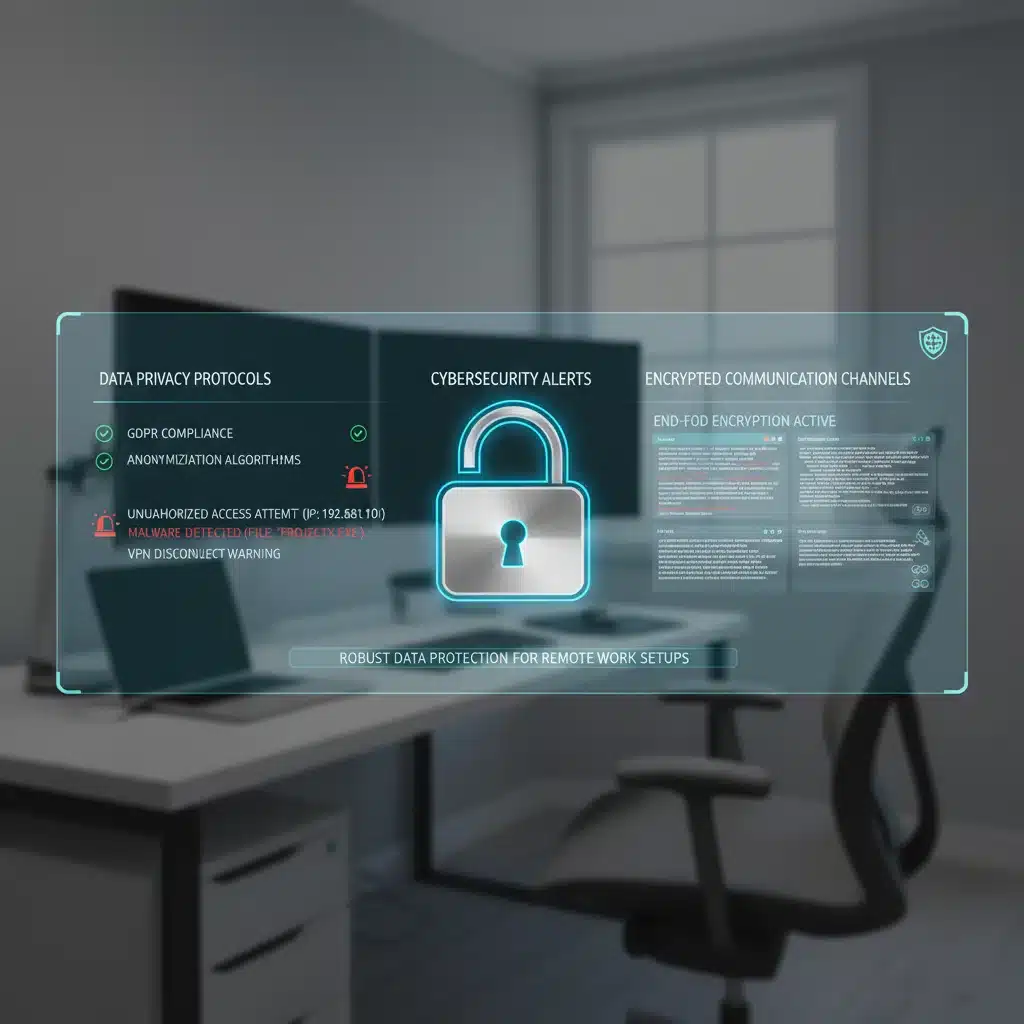
The proliferation of remote work has amplified data privacy and cybersecurity risks. When employees access company systems and sensitive data from various locations, often using personal networks and devices, the attack surface for cyber threats expands dramatically. Regulatory bodies are taking notice, introducing stricter data protection laws that directly impact remote work compliance.
Data Protection Laws (e.g., CCPA, state-specific laws)
While the US lacks a single federal data privacy law comparable to GDPR, states like California (CCPA/CPRA), Virginia (CDPA), Colorado (CPA), and others have enacted comprehensive data privacy statutes. These laws often grant employees specific rights regarding their personal data and impose strict obligations on employers concerning data collection, storage, and security. Employers must ensure their remote work data handling practices comply with all applicable state-specific data privacy laws, a non-negotiable aspect of modern remote work compliance.
Cybersecurity Protocols and Employee Training
Robust cybersecurity is no longer just an IT issue; it’s a legal and ethical imperative. Employers must implement comprehensive cybersecurity protocols for remote workers, including secure VPNs, multi-factor authentication (MFA), endpoint protection, and regular software updates. Crucially, employees must be thoroughly trained on cybersecurity best practices, recognizing phishing attempts, and proper data handling. Regular training and awareness programs are essential to maintain a strong security posture and ensure remote work compliance.
Device and Network Security
Whether employees use company-issued devices or their personal equipment (BYOD – Bring Your Own Device), employers are responsible for ensuring adequate security. For company-issued devices, this involves remote management and security software. For BYOD, clear policies must be established regarding data segregation, acceptable use, and security requirements. Personal Wi-Fi networks also pose risks, necessitating guidance on secure home network configurations. Addressing these aspects is vital for comprehensive remote work compliance.
Best Practices for Data Privacy and Cybersecurity:
- Comprehensive Security Policies: Develop and enforce clear policies on data handling, device usage, and network security for remote workers.
- Technology Solutions: Invest in robust cybersecurity tools (VPNs, MFA, EDR, secure cloud storage).
- Regular Training: Conduct mandatory and recurring cybersecurity awareness training for all remote employees.
- Incident Response Plan: Have a well-defined incident response plan for data breaches specific to remote work scenarios.
- Data Encryption: Ensure all sensitive data, both in transit and at rest, is encrypted.
Key Regulation 4: Remote Workplace Safety and Ergonomics (OSHA and State Equivalents)
The Occupational Safety and Health Act (OSHA) requires employers to provide a workplace free from recognized hazards that are causing or are likely to cause death or serious physical harm to employees. This obligation extends to remote work environments. While direct inspections of home offices are rare, employers still have a duty to ensure remote workers have a safe and ergonomically sound workspace. State-level OSHA equivalents or specific state labor laws may also apply, further complicating remote work compliance.
Employer’s Duty of Care
Employers are expected to take reasonable steps to ensure the safety of their remote employees. This includes providing guidance on setting up an ergonomic workstation, addressing potential fire hazards, and ensuring electrical safety. While employers are generally not responsible for hazards created by the employee’s personal actions (e.g., leaving a spill), they are responsible for providing a safe working environment and addressing known hazards. This proactive approach is key to effective remote work compliance.
Ergonomic Assessments and Equipment Provision
Poor ergonomics can lead to musculoskeletal disorders, which can result in workers’ compensation claims. Employers should provide resources for remote employees to conduct self-assessments of their home workstations. In some cases, providing ergonomic equipment (e.g., external monitors, ergonomic chairs, keyboards) may be necessary, especially if requested or if an employee has a specific medical need requiring accommodation under the Americans with Disabilities Act (ADA). Documenting these efforts is crucial for demonstrating remote work compliance.
Accident Reporting and Investigation
Just like in a traditional office, remote work-related injuries must be reported and investigated. Employers need clear protocols for remote employees to report incidents, and for the company to investigate them to determine if the injury is work-related and if preventative measures can be taken. This ensures that the employer’s responsibilities under workers’ compensation laws are met, reinforcing overall preventative maintenance.
Best Practices for Remote Workplace Safety:
- Safety Checklists: Provide remote employees with a comprehensive safety and ergonomics checklist for their home office setup.
- Ergonomic Guidance: Offer resources, training, or even virtual consultations for ergonomic workstation setup.
- Equipment Stipends: Consider providing stipends or direct provision of essential ergonomic equipment.
- Clear Reporting Procedures: Establish and communicate clear procedures for reporting work-related injuries or hazards.
- Policy Acknowledgement: Have employees acknowledge receipt and understanding of remote work safety policies.
Key Regulation 5: Employee Classification and Engagement for Remote Workers
The classification of remote workers (employee vs. independent contractor) and ensuring their engagement and equitable treatment are critical areas of remote work compliance that continue to attract regulatory scrutiny. Misclassification can lead to significant legal and financial penalties, while disengagement can result in productivity loss and high turnover.
Employee vs. Independent Contractor Misclassification
The tests for determining whether a worker is an employee or an independent contractor are complex and vary by federal agencies (IRS, DOL) and state laws. Generally, the more control an employer exerts over how, when, and where work is performed, the more likely the worker is an employee. Many states, like California with its ‘ABC test’ (AB5), have made it even harder to classify workers as independent contractors. Incorrect classification can result in back taxes, penalties, and even lawsuits for unpaid wages and benefits. This is a high-stakes area for remote work compliance.
Fair Labor Standards Act (FLSA) and Overtime Exemptions
Ensuring remote employees are correctly classified as exempt or non-exempt under the FLSA is crucial. For non-exempt employees, accurate tracking of all hours worked, including overtime, is paramount. The ‘suffered or permitted to work’ standard means even if an employee works off-the-clock, the employer may be liable if they knew or should have known about it. Clear policies on working hours, break times, and a reliable time-tracking system are essential for remote work compliance.
Equity, Inclusion, and Engagement
While not strictly a ‘regulation,’ fostering an equitable, inclusive, and engaged remote workforce is increasingly viewed through a compliance lens, particularly concerning anti-discrimination laws. Employers must ensure remote workers have equal access to opportunities, promotions, and professional development. Preventing ‘proximity bias’ (favoring in-office employees) and ensuring remote workers feel connected and valued is vital for morale, retention, and mitigating potential discrimination claims. This holistic approach supports robust remote work compliance.
Best Practices for Classification and Engagement:
- Regular Audits: Periodically audit your workforce to ensure correct employee/independent contractor classifications, especially for remote roles.
- Clear Policies: Develop clear policies on working hours, communication expectations, and performance management for remote employees.
- Inclusive Practices: Implement strategies to ensure remote employees are fully integrated into the company culture, receive equal opportunities, and are included in decision-making processes.
- Technology for Engagement: Utilize collaboration tools and platforms that foster communication and connection among distributed teams.
- Feedback Mechanisms: Establish channels for remote employees to provide feedback and address concerns.
Building Your Practical Remote Work Compliance Checklist for 2026
Bringing all these regulations together, here’s a practical, actionable checklist for US employers to ensure robust remote work compliance in 2026:
General Remote Work Compliance Checklist:
- Policy Review & Update: Regularly review and update your remote work policies to reflect current federal, state, and local laws.
- Employee Location Tracking: Implement a reliable system to accurately track the physical work location of all remote employees.
- Legal Counsel Engagement: Establish an ongoing relationship with legal experts specializing in multi-state labor and tax law.
- HRIS & Payroll System Audit: Ensure your HRIS and payroll systems are capable of handling multi-jurisdictional compliance requirements.
- Communication Strategy: Develop a clear communication strategy for informing employees of policy changes and their rights.
Regulation-Specific Checklist Items:
1. Multi-State Labor & Employment Law Harmonization:
- ✓ Verify minimum wage and overtime compliance for each remote employee’s state.
- ✓ Review state-specific leave laws (sick leave, family leave, etc.) and update policies accordingly.
- ✓ Ensure anti-discrimination and harassment policies meet all applicable state requirements.
- ✓ Confirm compliance with state-specific termination and final pay regulations.
- ✓ Conduct regular audits of employee handbooks for state-specific legal addenda.
2. State and Local Tax Compliance:
- ✓ Identify all states and localities where remote employees create a tax nexus for your company.
- ✓ Register your business with all necessary state and local tax authorities.
- ✓ Ensure correct state and local income tax withholding for all remote employees.
- ✓ Confirm proper Unemployment Insurance (UI) and Workers’ Compensation (WC) registration and contributions in relevant states.
- ✓ Consult with tax advisors on potential corporate income tax implications in nexus states.
3. Data Privacy and Cybersecurity:
- ✓ Implement robust cybersecurity protocols (VPNs, MFA, endpoint security) for all remote access.
- ✓ Develop clear policies for data handling, device usage (BYOD), and network security in remote settings.
- ✓ Conduct mandatory and recurring cybersecurity awareness training for all remote employees.
- ✓ Ensure compliance with all applicable state-specific data privacy laws (e.g., CCPA/CPRA).
- ✓ Establish and test a remote-specific data breach incident response plan.
4. Remote Workplace Safety and Ergonomics:
- ✓ Provide remote employees with a home office safety and ergonomics checklist.
- ✓ Offer resources or stipends for ergonomic equipment where appropriate or legally required.
- ✓ Establish clear procedures for reporting work-related injuries occurring in a home office.
- ✓ Document efforts to ensure a safe remote working environment.
- ✓ Obtain employee acknowledgment of remote work safety policies.
5. Employee Classification and Engagement:
- ✓ Periodically audit employee classifications (employee vs. independent contractor) for remote roles.
- ✓ Ensure accurate time tracking and FLSA compliance for non-exempt remote employees.
- ✓ Implement strategies to prevent proximity bias and ensure equitable opportunities for remote workers.
- ✓ Foster an inclusive culture with regular communication and engagement initiatives for distributed teams.
- ✓ Provide clear performance management guidelines tailored for remote work.
The Future of Remote Work Compliance: Proactive Strategies
As 2026 approaches, the dynamic nature of work will continue to challenge employers. The key to long-term success in remote work compliance lies in adopting a proactive, rather than reactive, strategy. This involves not just meeting current regulations but anticipating future trends and preparing for them. Consider the potential impact of emerging technologies, evolving societal norms around work-life balance, and renewed legislative focus on worker protections.
Leveraging Technology for Compliance
Technology will be your greatest ally in managing remote work compliance. Integrated HR platforms, geo-tracking tools for tax and labor law purposes, advanced cybersecurity solutions, and robust communication platforms can automate many compliance tasks and provide real-time data insights. Investing in these tools is no longer a luxury but a necessity for any organization committed to a sustainable remote work model.
Cultivating a Culture of Compliance
Ultimately, remote work compliance is not just about checking boxes; it’s about embedding a culture of compliance throughout your organization. This means regular training for managers and employees, fostering open communication channels, and making compliance an integral part of your company’s values. When everyone understands their role in maintaining compliance, the burden on any single department is lessened, and the organization as a whole becomes more resilient.
Conclusion
The transition to remote work has presented US employers with a unique set of challenges, particularly in the realm of regulatory compliance. By focusing on the 5 key areas outlined – multi-state labor laws, tax compliance, data privacy, workplace safety, and employee classification/engagement – and utilizing the practical checklist provided, organizations can confidently navigate the complexities of 2026 and beyond. Proactive planning, leveraging technology, and fostering a culture of compliance are not just best practices; they are the bedrock of successful and sustainable remote operations. Embracing these principles ensures that your distributed workforce remains a source of strength, innovation, and unwavering legal integrity.