The landscape of large-scale public gatherings is constantly evolving, with safety and security at the forefront of every organizer’s mind. As we look ahead to 2026, a new wave of comprehensive safety protocols is set to redefine how major events are planned, executed, and experienced. These updates are not merely incremental changes; they represent a significant leap forward in ensuring the well-being of attendees, staff, and the wider community. Understanding these ‘public gathering safety’ enhancements is crucial for everyone involved, from event planners and security personnel to vendors and the general public.
The impetus for these revised protocols stems from a combination of factors: evolving global health challenges, sophisticated security threats, and the continuous drive to leverage technology for better crowd management and emergency response. The goal is to create environments where people can gather, celebrate, and engage with confidence, knowing that robust systems are in place to mitigate risks effectively. This article delves into the specifics of these new directives, outlining what they entail, why they are being implemented, and what you need to know to adapt and comply.
Anúncios
The core philosophy behind the 2026 public gathering safety protocols is multi-faceted, emphasizing proactive risk assessment, integrated technology solutions, enhanced communication strategies, and a stronger focus on individual responsibility. It’s about building a resilient framework that can respond to a wide array of potential incidents, from health crises to security breaches, with speed and efficiency. Let’s explore the key pillars of these transformative changes.
Enhanced Security Measures: A Proactive Stance on Public Gathering Safety
Security at large public gatherings has always been paramount, but the 2026 protocols introduce a more layered and intelligence-driven approach. This goes beyond traditional bag checks and perimeter security, incorporating advanced surveillance, predictive analytics, and a greater emphasis on human intelligence. The aim is to detect potential threats before they materialize, allowing for pre-emptive action and minimizing disruption.
Anúncios
One of the most significant updates is the integration of AI-powered surveillance systems. These systems are designed to monitor crowd density, identify unusual patterns of movement, and even flag suspicious objects or behaviors in real-time. By leveraging machine learning, these tools can learn from past events and continuously improve their threat detection capabilities. This technology, however, comes with a strong emphasis on privacy protection, with clear guidelines on data collection, storage, and usage to ensure ethical deployment.
Moreover, there’s a renewed focus on collaborative intelligence sharing among law enforcement agencies, event organizers, and private security firms. Regular briefings, joint training exercises, and standardized communication channels are being established to ensure a unified response to any emerging threat. This collaborative model is critical for achieving comprehensive ‘public gathering safety’ across diverse event types and locations.
Another crucial element is the implementation of advanced access control systems. Beyond simple ticket scanning, these systems may incorporate biometric verification or dynamic credentialing for staff and vendors, significantly reducing the risk of unauthorized access. Drone detection and counter-drone technologies are also becoming standard, particularly for outdoor events, to safeguard against aerial threats and unauthorized surveillance.
The human element remains indispensable. Security personnel will undergo more specialized training, focusing on de-escalation techniques, cultural sensitivity, and rapid response protocols. The visibility of security teams will also be strategically enhanced, serving as both a deterrent and a reassuring presence for attendees. The blend of cutting-edge technology and highly trained human resources forms the bedrock of the new security framework for ‘public gathering safety’ in 2026.
Health and Hygiene Guidelines: Adapting to Evolving Public Health Needs
The lessons learned from recent global health events have profoundly influenced the new health and hygiene protocols for public gatherings. These guidelines are designed to be adaptable, scalable, and responsive to various public health scenarios, ensuring that events can proceed safely even in the face of emerging health challenges. The focus is on preventing the spread of infectious diseases while maintaining a welcoming and accessible environment.
Key updates include enhanced ventilation standards for indoor venues, regular and thorough sanitization schedules for all high-touch surfaces, and the strategic placement of hand hygiene stations throughout event sites. Organizers will be required to develop and communicate clear health policies, which may include recommendations or requirements for vaccination, testing, or mask-wearing, depending on prevailing public health advisories and local regulations. Transparency and clear communication are vital here, ensuring attendees are fully informed before and during the event.
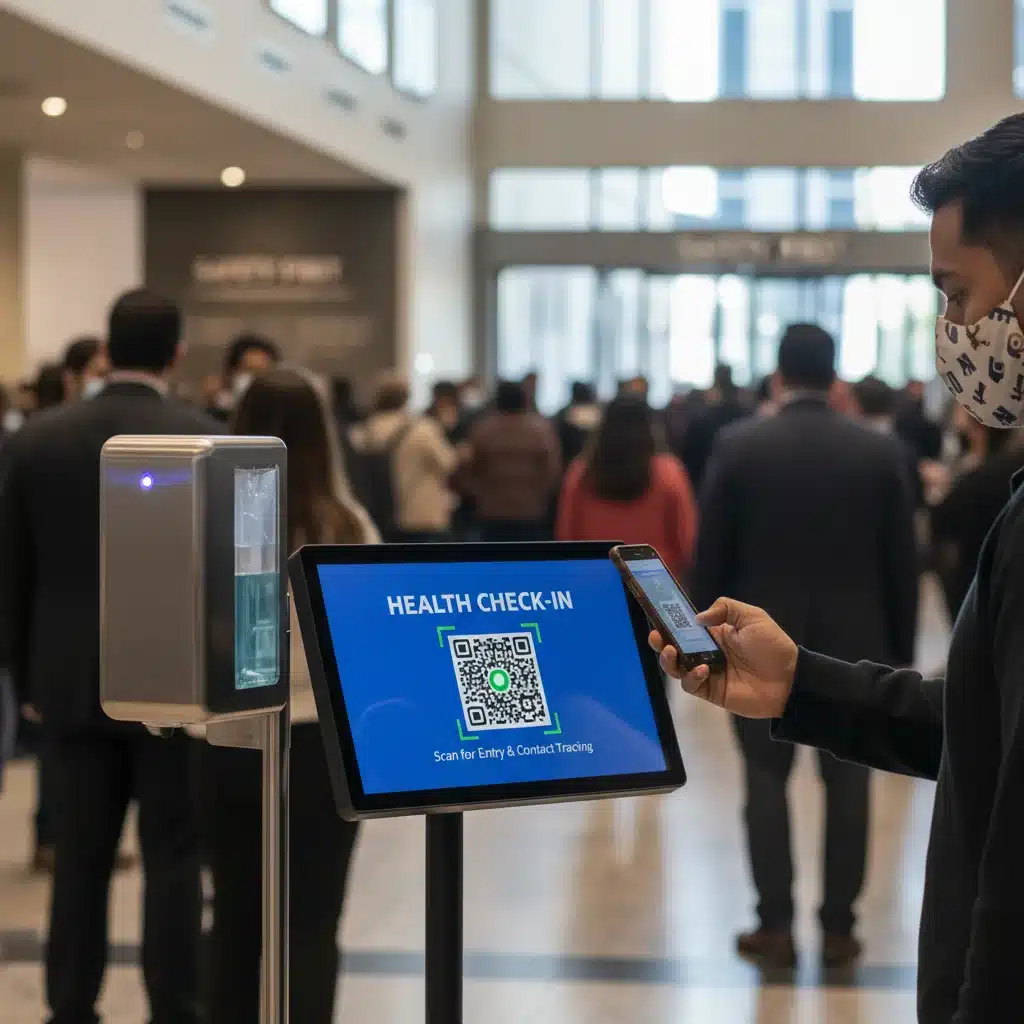
Contact tracing capabilities are also being strengthened, with event registration systems potentially integrating with public health authorities to facilitate rapid notification and containment if an outbreak occurs. While voluntary participation will be emphasized, the infrastructure for efficient data collection and sharing will be in place, always adhering to strict data privacy regulations. This proactive approach to health monitoring is a cornerstone of effective ‘public gathering safety’.
Furthermore, medical response teams at events will be equipped with updated training and resources to manage a wider range of health emergencies, including infectious disease protocols. Designated isolation areas, readily available testing facilities, and partnerships with local healthcare providers will become standard practice for larger events. The goal is to minimize the health risks associated with large congregations, allowing for a safer and more enjoyable experience for everyone.
The emphasis on personal responsibility also plays a crucial role. Attendees will be encouraged to monitor their own health, practice good hygiene, and adhere to any specific health guidelines communicated by event organizers. Educational campaigns will be launched to raise awareness about these new health protocols, fostering a collective commitment to ‘public gathering safety’.
Emergency Preparedness and Response: Building Resilience
Effective emergency preparedness is the cornerstone of any robust ‘public gathering safety’ plan. The 2026 protocols introduce significant enhancements to how events prepare for and respond to a wide array of emergencies, from natural disasters and medical crises to security incidents and large-scale evacuations. The focus is on creating a resilient framework that can adapt to unforeseen circumstances and ensure the rapid and safe execution of emergency procedures.
A key development is the mandatory implementation of dynamic evacuation plans. These plans leverage real-time crowd data and predictive modeling to optimize exit routes and guide attendees to safety in the most efficient manner possible. Digital signage, mobile alerts, and trained staff will work in concert to provide clear, actionable instructions during an emergency. Regular drills and simulations will be conducted to test the efficacy of these plans and ensure all personnel are proficient in their roles.
Communication during emergencies is being revolutionized. Integrated communication systems will allow event organizers to disseminate critical information instantly to attendees via multiple channels, including public address systems, digital screens, social media, and dedicated event apps. These systems will also facilitate seamless coordination with emergency services, ensuring that first responders have access to real-time information and can deploy resources effectively. This multi-channel approach is vital for maintaining ‘public gathering safety’ during critical moments.
First aid and medical response capabilities are also being significantly upgraded. Events will be required to have a higher ratio of trained medical personnel, strategically located first aid stations, and access to advanced medical equipment. Partnerships with local hospitals and emergency medical services will be formalized to ensure rapid transport and treatment for serious injuries or illnesses. The protocols also emphasize mental health support, recognizing the psychological impact of emergencies on attendees and staff, with resources for counseling and support made available.
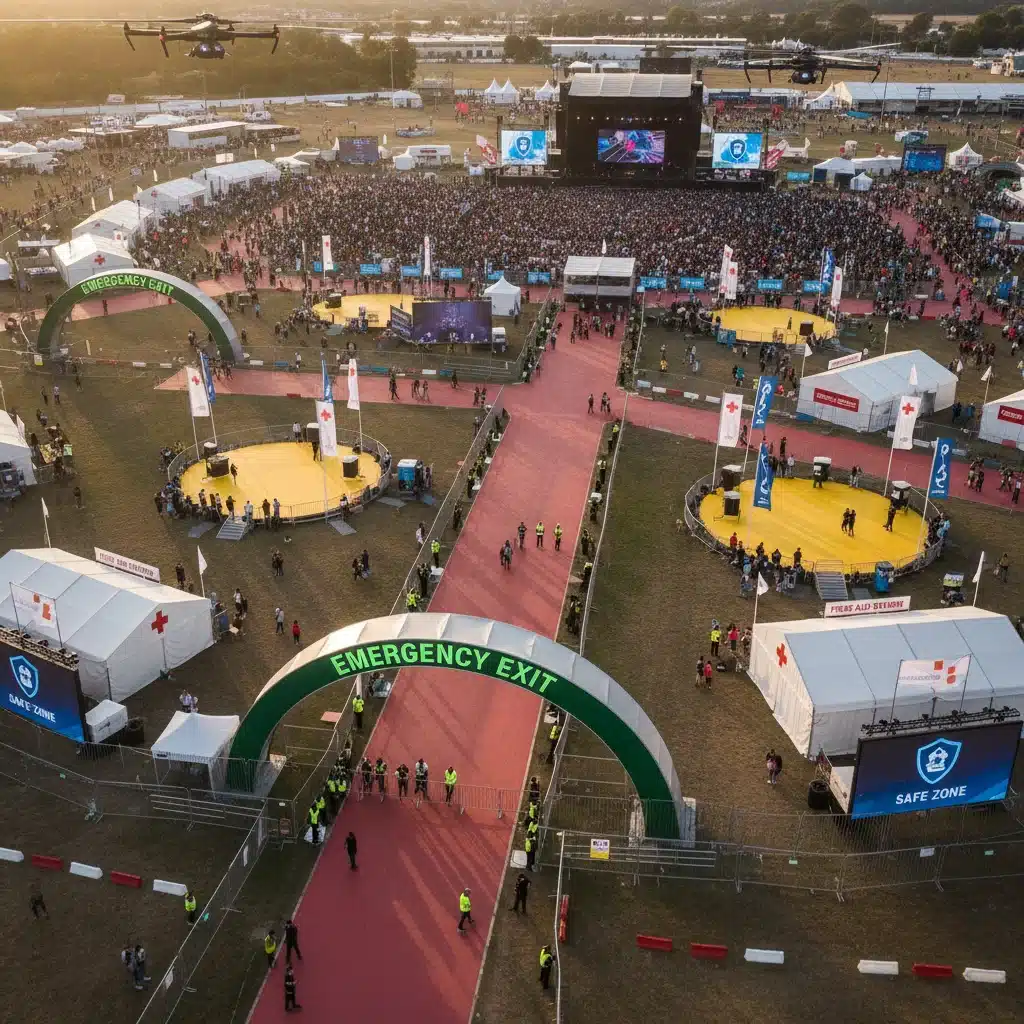
Furthermore, the 2026 protocols mandate comprehensive incident command systems. These systems establish clear lines of authority and responsibility during an emergency, ensuring that decisions are made swiftly and effectively. All key personnel, from event managers to security chiefs, will be trained in these command structures, promoting seamless coordination and reducing confusion during high-stress situations. This structured approach is essential for maintaining control and ensuring ‘public gathering safety’ when it matters most.
The emphasis on training extends beyond event staff to include vendors and volunteers, ensuring that everyone involved in the event understands their role in emergency response. This collective preparedness is crucial for building a truly resilient and safe environment for public gatherings.
Technology Integration: Smart Solutions for Safer Events
Technology is not just an add-on; it’s an intrinsic part of the new ‘public gathering safety’ framework for 2026. From the initial planning stages to post-event analysis, smart solutions are being leveraged to enhance every aspect of safety and security. The aim is to create intelligent event ecosystems that can proactively manage risks, optimize resource allocation, and provide real-time insights.
One of the most exciting advancements is the use of predictive analytics for crowd management. By analyzing historical data, weather patterns, public transport schedules, and real-time entry/exit flows, these systems can forecast crowd movements and potential bottlenecks. This allows organizers to adjust layout, staffing, and ingress/egress points dynamically, preventing dangerous overcrowding and improving overall attendee flow. This intelligent crowd control is a game-changer for ‘public gathering safety’.
IoT (Internet of Things) devices are also playing a larger role. Sensors deployed throughout event venues can monitor environmental factors such as air quality, temperature, and noise levels, alerting organizers to potential hazards. Wearable devices for staff can track their location and provide a panic button for immediate assistance, enhancing their personal safety and enabling rapid response if an incident occurs.
Digital twins of event venues are becoming increasingly common. These virtual replicas allow organizers to simulate various scenarios, test emergency plans, and optimize layouts before an event even begins. This virtual planning significantly reduces risks and improves the efficiency of safety measures. The ability to model and refine safety strategies in a digital environment is a powerful tool for ensuring ‘public gathering safety’.
Mobile applications dedicated to event safety are also evolving. These apps can provide attendees with real-time updates, interactive maps showing emergency exits and first aid stations, and direct channels to report concerns or request assistance. Push notifications can be used to disseminate urgent safety alerts, ensuring that critical information reaches attendees instantly. The accessibility of such information empowers attendees to be active participants in their own safety.
Furthermore, cybersecurity measures are being strengthened to protect the vast amounts of data collected during events. This includes personal information of attendees, operational data, and communications. Robust encryption, secure networks, and regular security audits are essential to prevent cyber threats that could compromise ‘public gathering safety’ or attendee privacy.
Training and Certification: Upholding High Standards
The success of any safety protocol hinges on the competency and preparedness of the individuals responsible for its implementation. The 2026 ‘public gathering safety’ updates place a significant emphasis on comprehensive training and standardized certification programs for all personnel involved in event management and security.
Event organizers, security staff, medical teams, and even key volunteers will be required to undergo mandatory training modules that cover the new protocols in detail. These modules will include theoretical knowledge, practical drills, and scenario-based exercises. Topics will range from advanced first aid and CPR to de-escalation techniques, incident command structures, and the ethical use of surveillance technology. The goal is to ensure a consistent, high level of proficiency across all roles.
Certification programs will be introduced or updated to reflect the new standards. These certifications will validate that individuals have the necessary skills and knowledge to perform their duties effectively in a high-pressure environment. Regular refresher courses and re-certification requirements will ensure that skills remain current and that personnel are up-to-date with the latest best practices in ‘public gathering safety’.
Beyond formal training, there will be a strong focus on fostering a culture of safety. This involves promoting open communication, encouraging staff to report potential concerns, and empowering individuals to take proactive steps to prevent incidents. Leadership plays a crucial role in championing this safety culture, setting the tone from the top down and demonstrating a commitment to the well-being of everyone at the event.
Specialized training will also be developed for managing diverse crowds and addressing the needs of attendees with disabilities or specific accessibility requirements. This ensures that ‘public gathering safety’ is inclusive and considers the unique challenges that different groups may face during an emergency. The aim is to create an environment where everyone feels safe and supported.
Regulatory Framework and Compliance: A Unified Approach
To ensure widespread adoption and consistent application of the new ‘public gathering safety’ protocols, a more unified regulatory framework is being developed. This involves collaboration between local, national, and even international authorities to create a set of common standards and best practices that can be adapted to specific event contexts.
New licensing and permitting requirements for large events will incorporate these updated safety guidelines. Event organizers will need to demonstrate their adherence to these protocols during the planning phase, undergoing rigorous reviews and inspections to ensure compliance. This proactive regulatory oversight is designed to catch potential deficiencies before an event takes place, significantly enhancing ‘public gathering safety’.
Auditing and monitoring mechanisms will also be put in place to assess compliance during events. This may include on-site inspections, review of security footage, and feedback mechanisms for attendees. Non-compliance could result in penalties, license revocation, or other enforcement actions, underscoring the seriousness of these new safety directives.
The regulatory framework will also emphasize clear guidelines for liability and insurance, ensuring that all parties involved understand their responsibilities and are adequately covered in the event of an incident. This provides a layer of protection for organizers, staff, and attendees alike, reinforcing the commitment to ‘public gathering safety’.
Public awareness campaigns will be launched by regulatory bodies to inform the general public about their rights and responsibilities concerning event safety. This empowers attendees to recognize and report safety concerns, contributing to a collective effort to maintain secure environments. The goal is to create a transparent and accountable system that prioritizes the well-being of everyone.
The Role of Attendees: Your Part in Public Gathering Safety
While event organizers and authorities bear the primary responsibility for implementing these new safety protocols, attendees also play a crucial role in ensuring ‘public gathering safety’. Your awareness, cooperation, and adherence to guidelines are indispensable for the success of any safety plan.
Before attending an event, take the time to review any safety information provided by the organizers. This might include health requirements, prohibited items, or specific entry procedures. Familiarize yourself with the venue layout, locate emergency exits, and identify first aid stations. Knowing this information beforehand can make a significant difference in an emergency.
During the event, be observant and report anything suspicious to security personnel immediately. This could be an unattended bag, unusual behavior, or a perceived threat. ‘If you see something, say something’ remains a vital principle for collective safety. Avoid bringing prohibited items, as this can delay entry and compromise security.
Follow all instructions from event staff and emergency responders. In an evacuation or other emergency, their guidance is critical for your safety and the safety of others. Remain calm, move purposefully, and assist those who may need help, such as children or individuals with mobility challenges.
Practice good personal hygiene, including frequent hand washing and using hand sanitizer. If you are feeling unwell, consider staying home to prevent the spread of illness to others. These simple actions contribute significantly to the overall ‘public gathering safety’ and health of the community.
Ultimately, the new 2026 safety protocols for public gatherings represent a holistic and forward-thinking approach to event management. By combining advanced technology, rigorous training, robust regulatory frameworks, and a shared sense of responsibility, we can create safer, more secure, and more enjoyable experiences for everyone. Staying informed and actively participating in these efforts is key to embracing the future of public gatherings with confidence.