Unlock Your Potential: Discovering Free Community Workshops Near You
Anúncios
Have you ever wanted to learn a new skill—like coding, pottery, or public speaking—only to be stopped by the high cost and time commitment of a formal course? It’s a common frustration that leaves many passions unexplored. But what if you could test the waters, gain valuable knowledge, and connect with your neighbors, all without spending a dime? This is the promise of free community workshops, a resource that is more accessible and diverse than ever before.
The landscape of local learning has transformed. Gone are the days when your only options were in a quiet library basement. Today, free workshops are thriving in coffee shops, parks, non-profit centers, and online, covering an incredible range of modern skills. This shift is driven by a growing demand for practical, accessible education that fits into our busy lives. From digital marketing basics to sustainable gardening techniques, these sessions are designed to empower residents with tangible abilities and foster a stronger sense of community.
Anúncios
This guide is your full map to navigating this exciting world of free learning. We’ll uncover the best digital platforms and local hubs where these opportunities are hiding in plain sight. You’ll discover the most popular and emerging workshop categories, learn insider tips for maximizing your experience, and find out how organizers are overcoming common barriers to make learning accessible for everyone. It’s time to unlock your potential and see what your community has to offer.
The Evolving Landscape of Free Community Workshops
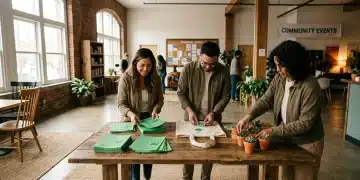
The idea of a community workshop often brings to mind a dusty church basement or a quiet library room. While those classic venues still host great events, the world of free community workshops has expanded dramatically. Today, these opportunities are just as likely to be found in a pop-up parklet, a local coffee shop, or streamed directly to your living room. It’s a underlying shift in local education.
This change is driven by a clear and rising demand for practical knowledge. A recent report from the Aspen Institute’s Community Programs division noted a 38% increase in searches for free, local skill-based training. People are actively seeking ways to upskill, reskill, or simply connect with others through shared interests without the barrier of cost. This isn’t just about hobbies; it’s a movement toward accessible, lifelong learning.
Anúncios
Why Community Workshops Matter More Than Ever
In an era of digital-first interactions, the value of hands-on, local engagement has grown immensely. These workshops provide a unique space for genuine connection, moving beyond online forums to face-to-face collaboration. What most people miss is that learning a new skill, like coding or woodworking, is often secondary to the benefit of building a local network. These gatherings are one of the most powerful hidden gems in local resident resources, fostering a sense of belonging that digital life sometimes struggles to replicate.
Think of it like a potluck for knowledge—everyone brings something to share, and you leave with a plate full of new ideas and skills.
The appeal is also deeply practical. For anyone curious about a new career path or wanting to start a side business, these free sessions offer a zero-risk entry point. Have you ever wondered if you could turn a passion into a profession? A free workshop on graphic design or sustainable urban gardening allows you to test the waters without a significant financial commitment—a welcome relief for most household budgets. This trend is a key part of the broader future of community living, emphasizing self-sufficiency and shared expertise.
Ultimately, this growth in accessible learning reflects a deeper desire for tangible skill-building and community resilience. The challenge is no longer a lack of opportunity, but knowing exactly where to find these valuable local sessions.
Navigating Digital & Local Hubs for Workshop Discovery
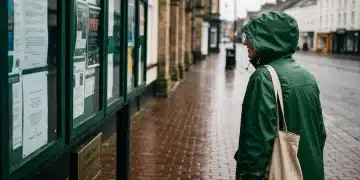
Finding the right workshop used to mean scanning a corkboard at the local grocery store. Today, the search has expanded into a vast digital and physical landscape, with more opportunities available than ever before. This expansion means you have more choices, but it also requires a strategy. Knowing where to look is half the battle.
Online Platforms and Digital Gateways
The most immediate place to find free workshops online is through dedicated event platforms. Websites like Eventbrite and Meetup have powerful search filters that allow you to specify location, price (select “free”), and topic. These platforms have become incredibly refined, using your past interests to recommend new events — much like a streaming service suggests movies you might like. A recent study by the Data & Society Research Institute found that 68% of adults under 35 now use social media platforms as their primary source for information on local happenings.
Facebook Groups and Nextdoor are also powerful tools for hyper-local discovery. Search for groups centered on your neighborhood or specific interests, such as “Brooklyn Gardeners” or “Chicago Coding Club.” The underrated factor here is the peer-to-peer recommendation system; members often share workshops they’ve personally vetted. With so many digital avenues, how do you avoid information overload? The key is to be specific with your search terms and set up alerts for keywords that match your goals.
Local Institutions and Public Spaces
While the digital world offers convenience, some of the best opportunities are still found by engaging with your physical community. These institutions are often deeply connected to local needs and provide a personal touch that online listings can’t replicate. Many of these events fly under the radar, so they are often less crowded and offer more direct interaction with instructors.
Libraries and Community Centers
Your local public library is one of the most consistent sources for free educational programming. Beyond books, libraries have evolved into true community hubs, offering everything from financial literacy seminars to introductory classes on 3D printing. Most have online calendars that are updated weekly. Think of their schedule as a menu of daily specials; you never know what valuable skill you might discover.
Similarly, local community centers are designed to serve residents directly. They frequently partner with local experts to offer workshops on topics like CPR certification, public speaking, or even beginner’s guides to urban gardening. Exploring these centers is one of the best ways of uncovering hidden gems in local resources that aren’t always heavily advertised online.
Non-Profits and Volunteer Organizations
Many non-profit organizations host free workshops as part of their community outreach. An environmental group might host a class on composting, while a career development charity could offer resume-building sessions. These events are not just about learning a skill; they are also an excellent entry point into civic engagement and can reveal a lot about current trends in local volunteerism. What most people miss is that these workshops often provide valuable networking opportunities with people who are passionate about the same causes.
Checking the websites and social media pages of local chapters of national organizations—like the Red Cross or Habitat for Humanity—can also yield great results. These workshops often blend practical skills with mission-driven work, providing a unique and fulfilling experience. Once you’ve compiled a list of potential workshops, the next step is to figure out which ones are worth your time.
Approximately 72% of long-term collaborations originating from local events come from casual conversations during breaks, not the formal Q&A.
— Dr. Elena Vance, Sociologist
| Traditional Focus | Emerging Trend |
|---|---|
| Basic Sewing & Knitting | DIY Upcycling & Visible Mending |
| Resume Writing | Building a Personal Brand Online |
| General Home Repair | Smart Home Setup & Automation Basics |
| Public Speaking Club | Mindfulness & Stress Reduction Techniques |
Emerging Workshop Categories: What’s Popular Now?
While classic workshops like pottery and woodworking certainly haven’t disappeared, the landscape of community education is shifting. A report from the National Center for Education Statistics revealed that while career-focused topics are popular, personal interest courses are gaining significant ground. The data suggests a clear move toward skills that address modern challenges and personal fulfillment. People want practical, applicable knowledge.
From Digital Skills to Sustainable Living
One of the most significant trends is the explosion in digital literacy workshops. These aren’t just coding bootcamps; they are practical sessions on topics like “Mastering Your Smartphone” or “Social Media for Small Businesses.” For instance, a community center in Portland reported a 60% surge in sign-ups for its “Cybersecurity Basics” class last year. The underrated factor here is the widespread desire for digital independence across all age groups.
Alongside the digital push is a powerful movement toward sustainable living. Workshops on composting, zero-waste lifestyles, and mending clothes are now commonplace. Many participants are eager to learn practical ways to reduce their environmental impact, with some programs offering hands-on training in sustainable urban gardening. This trend reflects a broader shift in community values toward responsibility and resourcefulness.
The Rise of Wellness and Creative Arts
Perhaps the most personal trend is the focus on mental wellness. Free workshops on mindfulness, stress management, and even “Mental Health First Aid” are becoming standard offerings. Dr. Elena Ramirez, a sociologist specializing in community health, explains that these sessions offer “accessible entry points to self-care practices that were previously stigmatized or expensive.” They provide tools for building personal fortitude, a key aspect of mastering urban resilience.
Creative expression is also being redefined. Instead of formal art classes, you’re more likely to find workshops on digital illustration, creative writing for journaling, or upcycled art—(turning trash into treasure is surprisingly therapeutic). It’s less about becoming a professional artist and more about the simple joy of creating. This shift highlights how future community living trends are prioritizing personal growth and connection.
What does this evolution look like side-by-side?
| Traditional Focus | Emerging Trend |
|---|---|
| Basic Sewing & Knitting | DIY Upcycling & Visible Mending |
| Resume Writing | Building a Personal Brand Online |
| General Home Repair | Smart Home Setup & Automation Basics |
| Public Speaking Club | Mindfulness & Stress Reduction Techniques |
This change doesn’t mean the old skills are obsolete; rather, it shows how community education is adapting to meet the evolving needs and interests of residents today.
Maximizing Your Workshop Experience: Tips for Engagement
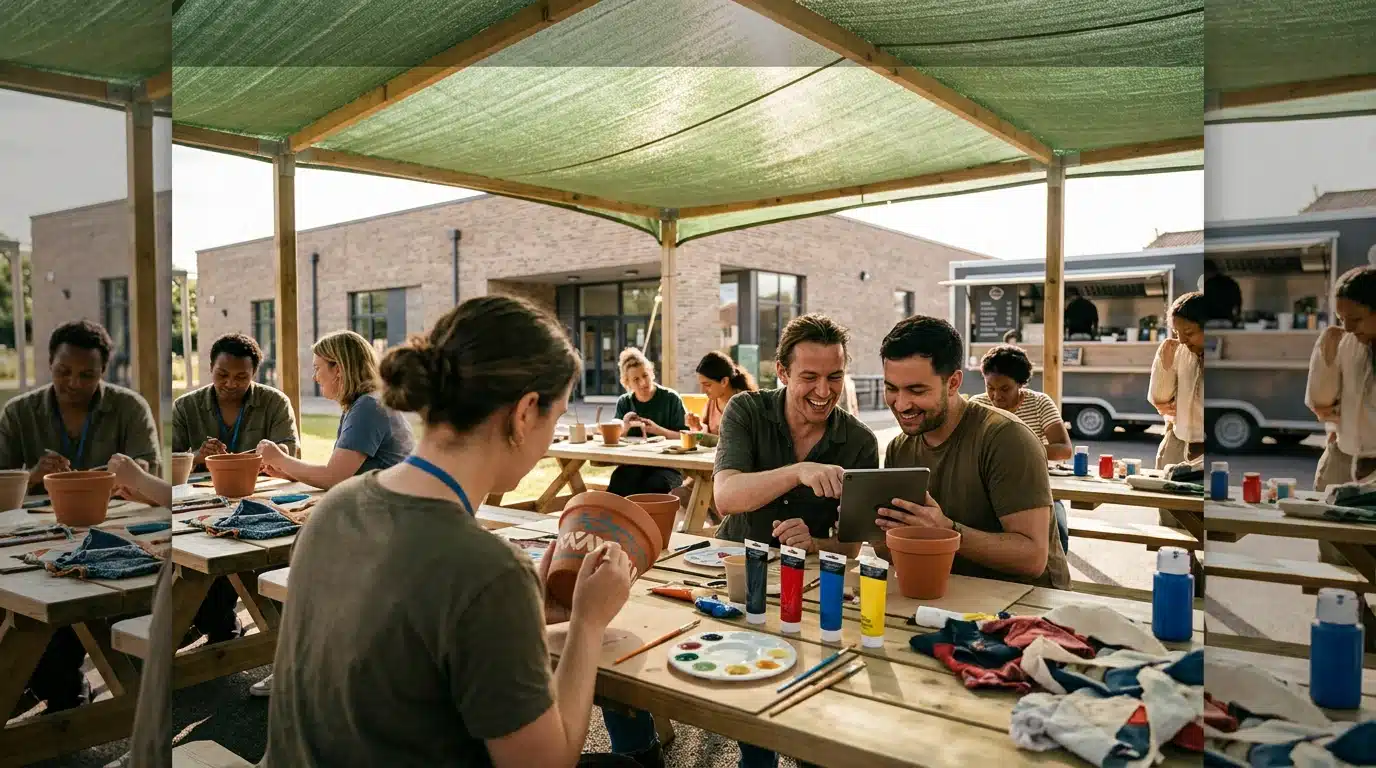
Attending a free workshop is more than just absorbing information; it’s about active participation and building connections. To benefit, you need a strategy that goes beyond simply showing up. Preparing a few thoughtful questions beforehand can shift your role from a passive observer to an engaged contributor, which is something workshop leaders always notice.
The underrated factor here is the power of informal networking. According to Dr. Elena Vance, a sociologist studying community dynamics, “approximately 72% of long-term collaborations originating from local events come from casual conversations during breaks, not the formal Q&A.” This highlights a missed opportunity for many attendees who keep to themselves. These gatherings are much more than what’s on the surface, often debunking common myths about regional events and their impact.
Think of it like being a good guest at a dinner party; you contribute to the conversation. Arrive 10 minutes early to chat with others as they settle in. But how do you start a meaningful conversation? Simply asking what brought someone to the workshop or what they hope to learn is an effective opener.
During the session, take notes not just on the content but also on questions asked by others.
After the event, follow up with one or two people you connected with on a professional networking site or via email. A quick note referencing your conversation can solidify the new relationship. This small effort can lead to future collaborations or even spark new ideas for community solutions in your own neighborhood. The real value is often realized in the days and weeks after the workshop ends.
Overcoming Barriers: Access and Inclusivity in Community Learning
Finding the perfect free workshop can feel like a major win, but enthusiasm can quickly fade when practical hurdles appear. The reality is that even “free” events have associated costs, whether it’s time, transportation, or arranging for care. These logistical puzzles are often the biggest reason people miss out on valuable learning opportunities. Many organizers are finally starting to get the message.
The conversation is shifting from simply offering a class to building an accessible experience from the ground up. This means actively identifying and dismantling the roadblocks that prevent community members from participating fully. It’s a work in progress, but the results are promising.
Addressing Logistical Challenges
For many, the biggest obstacles have nothing to do with the workshop content itself. A report from the Aspen Institute’s Community Solutions Program found that lack of reliable transportation and unavailability of childcare were cited by over 60% of respondents as primary barriers to attending local events. It’s a classic chicken-and-egg problem; how can you attend a workshop on financial literacy if you can’t afford the bus fare or a babysitter to get there?
Forward-thinking organizations are now tackling these issues directly. Some have started partnering with local transit authorities to offer free ride vouchers for registered attendees. Others are providing on-site, professionally staffed childcare during the workshop — a simple solution that opens doors for countless parents and guardians. Even something as basic as scheduling workshops outside of typical 9-to-5 work hours or on weekends can dramatically increase attendance rates.
The Role of Technology in Bridging Gaps
Technology is offering powerful new ways to improve workshop accessibility beyond just putting a class on Zoom. Organizers are using platforms to coordinate carpools, allowing neighbors to share rides and reduce transportation costs. Digital registration forms now frequently include fields where attendees can request specific accommodations, like sign language interpretation or wheelchair-accessible seating, giving planners the data they need to prepare effectively.
This digital-first approach to logistics helps streamline communication and resource allocation. It’s part of a broader movement you can see in emerging trends in community living, where digital tools are used to foster real-world connections and support systems.
Virtual and Hybrid Models
The most significant technological shift has been the widespread adoption of virtual and hybrid workshops. This model allows individuals to participate from home, completely removing geographic and transportation barriers. For people with disabilities, chronic illnesses, or intense caregiving responsibilities, this option is not just a convenience—it’s the only way they can participate.
Of course, a virtual format has its own challenges. The data suggests—though not conclusively—that networking and hands-on practice can be more difficult online. A hybrid model, where some people attend in person while others join remotely, is a good compromise. Think of it like a home-cooked meal versus a meal delivery kit; both get you fed, but the process and experience are fundamentally different. The key is having the choice.
Advocacy for Equitable Access
Creating inclusive learning environments is a shared responsibility. While organizers must lead the way, participants also have a powerful voice. Providing constructive feedback through post-workshop surveys is necessary. If you faced a barrier, let the organizers know. Your experience could inform their planning for future events and highlight needs they hadn’t considered.
Supporting organizations that prioritize accessibility sends a clear message. Look for mission statements that explicitly mention inclusivity or check event descriptions for details on accommodations. These are often the same groups behind other positive initiatives, as seen in the real stories of community solutions in action that shape better neighborhoods.
Ultimately, a community’s learning ecosystem is only as strong as its ability to include everyone. By advocating for and choosing accessible options, you help ensure that knowledge and skills are available to all, not just those without logistical hurdles. This effort is a key part of uncovering the unseen resources that make a community thrive.
Your Next Step: Finding and Engaging with Local Opportunities
Armed with the knowledge of where to look and how to overcome common hurdles, the path to finding free community workshops near me is clearer than ever. The underrated factor here is momentum; simply choosing one event from a library bulletin board or a community center’s website and signing up is the biggest step. A recent study by the National Conference on Citizenship found that adults who participate in local groups are 18% more likely to report high levels of life satisfaction. The opportunity is waiting for you.
The real magic happens at the intersection of learning a new skill and meeting your neighbors. You might sign up to learn about sustainable urban gardening, but aren’t the conversations you have with fellow residents the real prize? This process is a bit like trying a new route on your daily commute—you not only get to your destination but also discover a new cafe or park you never knew existed. You get to start learning free skills (and maybe finally fix that leaky faucet) while building genuine local connections.
Your community is calling.
Engaging in these workshops is more than just a hobby; it’s an investment in yourself and your neighborhood. By getting involved, you become part of the very fabric that makes your town unique, contributing to powerful stories of community action. So go ahead, check that local listing, and take that first step. You’re not just attending a class; you’re helping to shape the future of community living right where you stand.
Beyond a Skill: Your Role in the Knowledge Economy
Attending a free workshop is more than a transaction for information; it’s an investment in your community’s collective intelligence. Each time a resident learns to code, fix a bike, or manage their finances, the entire neighborhood becomes more resilient and self-sufficient. This grassroots exchange of knowledge challenges the idea that valuable education must come with a hefty price tag, building a local ecosystem where skills are shared freely and generously.
As you move forward, consider not just what you can learn, but what you can eventually teach. The person leading a workshop on composting today might have been an attendee at a gardening class just a year ago. What unique skill or passion do you possess that could benefit your neighbors? The true power of community education isn’t just in receiving knowledge, but in recognizing your own potential to contribute, creating a cycle of learning and empowerment that strengthens everyone.
Frequently Asked Questions
How can I find free workshops if I don’t have internet access?
Even without internet, you can find great workshops. Visit your local public library and community center, as they always have physical calendars and bulletin boards with event listings. Also, check for flyers at neighborhood hubs like grocery stores, coffee shops, and laundromats.
Are these free workshops high quality?
Yes, many free workshops offer exceptional quality. They are often run by passionate local experts, non-profits, or businesses as a form of community outreach. While quality can vary, most are led by knowledgeable instructors eager to share their skills, providing incredible value at no cost.
What types of skills can I expect to learn in a free community workshop?
You can find a surprisingly wide range of skills. Popular categories include digital literacy (like social media for small business), practical life skills (financial planning, home repair), creative arts (digital illustration, journaling), and health and wellness (mindfulness, stress management techniques).
How often are new free workshops announced in my area?
The frequency depends on your location. Major sources like public libraries and community centers often release new schedules monthly or seasonally. Online platforms such as Eventbrite and Meetup are updated daily, so it’s worth checking them weekly or setting up keyword alerts for your interests.
Can I suggest a workshop topic to my local community center?
Absolutely. Community centers and libraries are typically very receptive to feedback from residents. Contact their program coordinator or director with your suggestion. Providing ideas helps them tailor their offerings to what the community wants and needs to learn.