
In the ever-evolving landscape of legal and financial regulations, ensuring your will and estate plan are up-to-date is not just a recommendation; it’s a necessity. As we approach 2026, several significant legal changes are poised to impact how assets are distributed, taxes are levied, and legacies are secured. This comprehensive guide will walk you through the critical steps to undertake an effective Estate Plan Update 2026, ensuring your wishes are honored and your loved ones are protected.
Estate planning is often viewed as a one-time task, something to be completed and then forgotten. However, this couldn’t be further from the truth. Life events, changes in family dynamics, shifts in financial status, and, most importantly, amendments to local, state, and federal laws all necessitate a periodic review and potential revision of your estate documents. Failing to adapt your plan to these changes can lead to unintended consequences, including lengthy probate processes, increased tax burdens, and disputes among beneficiaries.
Anúncios
This article is designed to be your go-to resource for understanding the nuances of an Estate Plan Update 2026. We will delve into anticipated legal shifts, highlight key areas of your existing plan that require scrutiny, and provide actionable advice on how to navigate the update process efficiently and effectively. Whether you’re a seasoned planner or new to the concept, this guide will empower you to make informed decisions about your legacy.
Why 2026 Demands Your Attention for an Estate Plan Update
The year 2026 is shaping up to be a pivotal moment for estate planning due to several legislative and economic factors. While specific details can vary by jurisdiction, there are overarching themes that everyone should be aware of when considering an Estate Plan Update 2026.
Anúncios
Anticipated Federal Tax Law Changes
One of the most significant drivers for an Estate Plan Update 2026 is the potential expiration or modification of provisions within existing federal tax laws, particularly those related to estate and gift taxes. The Tax Cuts and Jobs Act (TCJA) of 2017 significantly increased the federal estate tax exemption amount. However, many of these provisions are set to sunset at the end of 2025, which could lead to a substantial reduction in the exemption amount in 2026. This means more estates could become subject to federal estate taxes, and at potentially higher rates.
For individuals with substantial assets, understanding these potential changes is crucial. A lower exemption could mean that assets previously protected from federal estate tax might become taxable. This necessitates a re-evaluation of gifting strategies, trust structures, and overall asset distribution plans to mitigate potential tax liabilities. Engaging with an estate planning attorney who is abreast of these legislative developments is paramount to strategically planning for this shift.
Evolving State-Specific Regulations
Beyond federal changes, states frequently amend their probate laws, inheritance taxes, and rules regarding powers of attorney and healthcare directives. These state-level adjustments can have a profound impact on the effectiveness of your existing estate plan. For example, some states might introduce new requirements for digital assets, making it essential to explicitly address how your digital footprint should be managed after your passing. Other states might adjust their rules concerning beneficiary designations or the validity of certain types of trusts.
Staying informed about your specific state’s laws is a critical component of a thorough Estate Plan Update 2026. What was valid and effective last year might not be this year. A localized review ensures that your documents comply with the most current legal standards and that your estate can be administered smoothly within your jurisdiction.
Impact of Economic Shifts and Inflation
Economic conditions, such as inflation and fluctuating asset values, also play a significant role in estate planning. High inflation can erode the real value of specific bequests, while significant appreciation or depreciation in asset values can alter the overall distribution of your estate. For instance, if you have specific cash bequests in your will, inflation could mean that those amounts are worth less in real terms than you initially intended. Conversely, if certain assets have appreciated significantly, their distribution might trigger unforeseen tax consequences or create imbalances among beneficiaries.
An Estate Plan Update 2026 should therefore include a re-evaluation of your asset portfolio and how these assets are allocated within your plan. This might involve adjusting specific bequests, re-titling assets, or incorporating more flexible trust provisions that can adapt to changing economic realities.
Step-by-Step Guide to Your Estate Plan Update 2026
Undertaking an Estate Plan Update 2026 can seem daunting, but by breaking it down into manageable steps, you can ensure a thorough and effective review. Here’s a practical, step-by-step guide to help you through the process.
Step 1: Gather All Existing Estate Planning Documents
The first and most fundamental step is to locate and gather all your current estate planning documents. This includes, but is not limited to:
- Your Last Will and Testament
- Any Revocable or Irrevocable Trusts
- Powers of Attorney (Financial and Healthcare)
- Living Will or Advance Healthcare Directives
- Beneficiary Designations for life insurance policies, retirement accounts (401k, IRA), and annuities
- Deeds to real estate
- Titles to vehicles and other significant assets
- Business succession plans (if applicable)
- Prenuptial or Postnuptial Agreements
Having all these documents in one place will provide a complete picture of your current estate and allow for a comprehensive review. Organize them chronologically and make notes of any questions or concerns you have about their content.
Step 2: Review Personal and Family Circumstances
Life is dynamic, and your estate plan should reflect these changes. Before diving into legal jargon, take stock of any significant personal or family events since your last plan was created or reviewed. Consider the following:
- Marriages, Divorces, or Separations: These events can significantly impact beneficiary designations and spousal rights.
- Births or Adoptions: New children or grandchildren might need to be included as beneficiaries.
- Deaths of Beneficiaries or Executors: You’ll need to name new individuals for these roles.
- Changes in Relationships: A falling out with a family member or a new close relationship might warrant changes to your beneficiaries or fiduciaries.
- Relocations: Moving to a different state can affect the validity of certain documents or introduce new state-specific laws.
- Health Changes: A decline in health for yourself or a loved one might necessitate updates to healthcare directives or the need for long-term care planning.
- Financial Status Changes: A significant increase or decrease in wealth, new inheritances, or substantial debts can all impact your plan.
Each of these life events can have profound implications for your estate plan, making this personal inventory a crucial part of your Estate Plan Update 2026.
Step 3: Assess Your Assets and Liabilities
A clear understanding of your current financial picture is essential. Create an updated inventory of all your assets and liabilities. This includes:
- Bank Accounts: Checking, savings, money market accounts.
- Investment Accounts: Stocks, bonds, mutual funds, brokerage accounts.
- Retirement Accounts: 401(k)s, IRAs, Roth IRAs, pensions.
- Real Estate: Primary residence, vacation homes, investment properties.
- Life Insurance Policies: Whole life, term life.
- Business Interests: Ownership in private or public companies.
- Valuable Personal Property: Art, jewelry, collectibles, vehicles.
- Digital Assets: Online accounts, cryptocurrency, intellectual property.
- Debts: Mortgages, car loans, credit card debt, personal loans.
Pay close attention to how each asset is titled (e.g., individual, joint tenancy with right of survivorship, community property) and who is named as the primary and contingent beneficiary. Incorrect titling or outdated beneficiary designations are common pitfalls that can derail an otherwise well-crafted estate plan. This detailed assessment is a cornerstone of an effective Estate Plan Update 2026.
Step 4: Understand the Anticipated Legal Changes for 2026
As discussed, 2026 is expected to bring significant changes, particularly concerning federal estate and gift tax exemptions. Research and understand the specifics of these changes and how they might affect your estate. Consult reliable legal resources or, ideally, an estate planning attorney who specializes in these areas.
For example, if the federal estate tax exemption is significantly reduced, you might need to reconsider strategies like:
- Gifting: Utilizing annual gift tax exclusions or making larger gifts while the exemption is higher (if applicable).
- Irrevocable Trusts: Establishing or funding irrevocable trusts to remove assets from your taxable estate.
- Charitable Giving: Incorporating charitable bequests to reduce the taxable estate.
Understanding these potential shifts is key to proactively adjusting your plan during your Estate Plan Update 2026.
Step 5: Review and Update Beneficiary Designations
This is one of the most critical and often overlooked aspects of estate planning. Beneficiary designations on accounts like life insurance, 401(k)s, IRAs, and annuities typically supersede your will. If your will states one thing but your beneficiary designation form states another, the beneficiary form will usually control the distribution of that asset.

During your Estate Plan Update 2026, meticulously review every account with a beneficiary designation. Ensure that the primary and contingent beneficiaries are exactly who you intend them to be. This is particularly important after life events such as marriage, divorce, or the birth of children. Failure to update these can lead to unintended beneficiaries receiving assets or assets going through probate unnecessarily.
Step 6: Re-evaluate Your Fiduciaries
Fiduciaries are the individuals you designate to manage your affairs, including your executor (personal representative), trustee, guardian for minor children, and agents for your powers of attorney. Consider the following when re-evaluating these roles:
- Availability and Willingness: Are your chosen fiduciaries still able and willing to serve?
- Competence: Do they possess the necessary skills and temperament to fulfill the responsibilities?
- Location: Are they geographically close enough to manage affairs effectively, especially for local matters?
- Age and Health: Are they still in good health and of an age where they can realistically perform the duties?
It’s often wise to name contingent fiduciaries in case your primary choice is unable to serve. Discuss these roles with your chosen individuals to ensure they understand the responsibilities and are prepared to accept them.
Step 7: Consider the Need for New or Amended Trusts
Trusts offer a powerful tool for asset protection, tax planning, and specific distribution instructions. During your Estate Plan Update 2026, evaluate if your current trust structures are still appropriate or if new trusts are needed. For example:
- Revocable Living Trusts: Can avoid probate and provide for incapacity.
- Irrevocable Life Insurance Trusts (ILITs): Can remove life insurance proceeds from your taxable estate.
- Special Needs Trusts: Can provide for beneficiaries with disabilities without jeopardizing government benefits.
- Charitable Trusts: Can facilitate philanthropic goals while offering tax advantages.
With potential changes to estate tax exemptions, trusts might become even more critical for high-net-worth individuals to minimize tax exposure and ensure assets pass efficiently to heirs.
Step 8: Update Your Letter of Instruction
While not a legally binding document, a Letter of Instruction (also known as a Letter of Intent or Ethical Will) is an invaluable component of your estate plan. It provides practical guidance and personal wishes to your loved ones and fiduciaries that aren’t typically included in formal legal documents. This might include:
- Details on specific personal property distribution (e.g., who gets a particular piece of jewelry).
- Instructions for your funeral or memorial service.
- Information on digital assets (passwords, usernames, how to access accounts).
- Location of important documents.
- Ethical or moral guidance you wish to impart.
This document should be reviewed and updated regularly, especially during an Estate Plan Update 2026, to ensure it reflects your current wishes and provides the most helpful information to your loved ones.
Step 9: Consult with an Estate Planning Attorney
While this guide provides a comprehensive framework, navigating the complexities of legal changes and ensuring your documents are legally sound requires professional expertise. An experienced estate planning attorney will:
- Interpret Legal Changes: Explain how federal and state laws for 2026 will specifically impact your estate.
- Review Documents for Validity: Ensure all your existing documents are legally sound and properly executed.
- Identify Gaps and Inconsistencies: Pinpoint areas where your plan might be lacking or where different documents contradict each other.
- Propose Tailored Solutions: Recommend specific strategies, such as new trust structures or gifting plans, to meet your goals and minimize tax exposure.
- Draft and Execute New Documents: Prepare any necessary amendments, codicils, or entirely new documents.
Attempting an Estate Plan Update 2026 without legal counsel can lead to costly errors and unintended consequences. Think of it as an investment in your legacy and peace of mind.
Crucial Considerations for Your 2026 Estate Plan
Beyond the step-by-step process, several specific areas warrant particular attention during your Estate Plan Update 2026.
Digital Assets and Online Presence
In our increasingly digital world, your online accounts, digital currencies, social media profiles, and intellectual property constitute a significant part of your estate. Many states have adopted the Revised Uniform Fiduciary Access to Digital Assets Act (RUFADAA) or similar legislation, but the specifics can vary.
During your Estate Plan Update 2026, ensure your plan explicitly addresses:
- How your digital assets should be managed or distributed.
- Who has the authority to access your accounts (and under what conditions).
- Your wishes for social media profiles (e.g., memorialized, deleted).
- Instructions for cryptocurrency or other digital financial assets.
Without clear instructions, these assets can become inaccessible or fall into legal limbo, causing frustration and potential financial loss for your heirs.
Long-Term Care Planning
The rising costs of long-term care are a significant concern for many families. While not strictly part of a will, incorporating long-term care planning into your broader estate strategy is prudent. This might involve:
- Long-Term Care Insurance: Reviewing existing policies or considering purchasing one.
- Medicaid Planning: Understanding eligibility requirements and strategies to protect assets while qualifying for assistance.
- Asset Protection: Utilizing trusts or other legal tools to shield assets from long-term care costs.
An Estate Plan Update 2026 is an opportune moment to discuss these considerations with your attorney and financial advisor.
Business Succession Planning
If you own a business, your estate plan must integrate a comprehensive business succession strategy. This ensures the continuity of your business, the financial stability of your family, and the fair treatment of partners or co-owners. Key elements include:
- Buy-Sell Agreements: Outlining how your business interest will be transferred upon death, disability, or retirement.
- Key Person Insurance: Providing liquidity to the business in the event of your unexpected death.
- Designation of Successors: Identifying who will take over your leadership role.
- Valuation Methods: Establishing how the business will be valued for transfer purposes.
Neglecting business succession planning can lead to significant disruptions, legal disputes, and the potential devaluation or forced sale of your company. This is a critical component of a thorough Estate Plan Update 2026 for business owners.
Philanthropic Goals
If charitable giving is part of your legacy, ensure your estate plan reflects your philanthropic intentions. This can involve:
- Direct Bequests: Naming charities in your will or trust.
- Charitable Remainder Trusts (CRTs): Providing income to beneficiaries for a period, with the remainder going to charity.
- Charitable Lead Trusts (CLTs): Providing income to charity for a period, with the remainder going to beneficiaries.
- Donor-Advised Funds (DAFs): Offering flexibility and tax advantages for charitable giving.
These strategies can not only support causes you care about but also offer significant tax benefits for your estate. Discuss these options during your Estate Plan Update 2026 to integrate them effectively.
The Role of Technology in Your Estate Plan Update 2026
Technology is increasingly playing a role in simplifying and securing estate planning. While legal documents still require traditional execution, tools and platforms can assist in the organization and management of your estate information.
Secure Digital Vaults
Consider using secure digital vaults or cloud-based platforms to store copies of your estate planning documents, financial records, and other important information. These platforms often offer encryption and controlled access, allowing you to grant specific individuals (like your executor or attorney) access when needed. This can be invaluable for your fiduciaries, providing them with immediate access to critical information without having to sift through paper files.
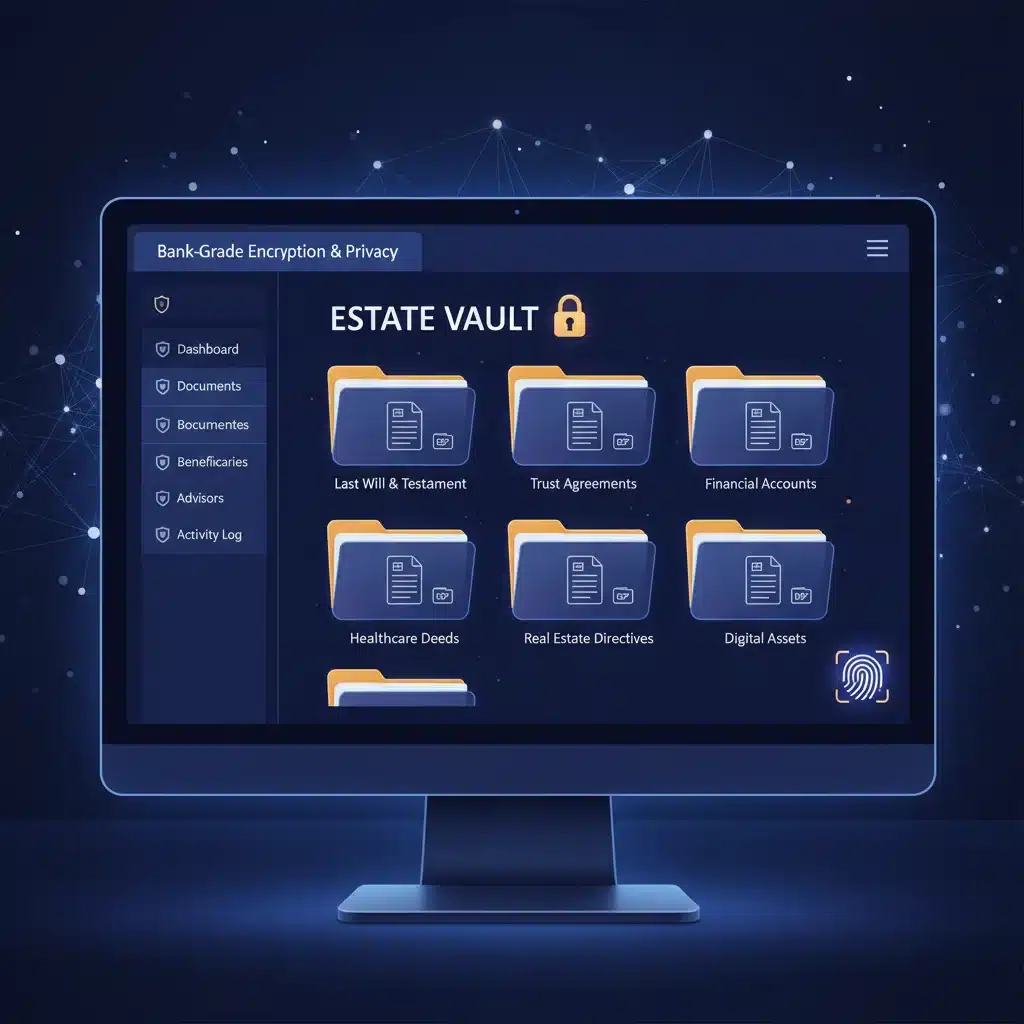
However, it’s crucial to ensure that the chosen platform is reputable, secure, and that your instructions for access are clearly outlined in your Letter of Instruction or other appropriate documents. This modern approach is a key part of an efficient Estate Plan Update 2026.
Online Estate Planning Tools (with caution)
While numerous online services offer to help create wills and trusts, these should be approached with extreme caution, especially when dealing with complex estates or significant legal changes like those anticipated for 2026. These tools can be useful for very simple, straightforward situations, but they often lack the customization, legal advice, and comprehensive understanding that a qualified attorney provides. They may not account for state-specific nuances or the intricate interplay of various legal and financial instruments. For a thorough Estate Plan Update 2026, particularly with evolving laws, professional legal counsel is irreplaceable.
Conclusion: Proactive Planning for a Secure Legacy
The prospect of an Estate Plan Update 2026 might seem overwhelming, but it is an essential undertaking for anyone who wishes to protect their legacy, provide for their loved ones, and ensure their final wishes are respected. The anticipated legal and economic changes make proactive planning more critical than ever.
By following the step-by-step guide outlined in this article – gathering documents, reviewing personal circumstances, assessing assets, understanding legal shifts, updating beneficiaries and fiduciaries, considering trusts, and consulting with legal professionals – you can navigate this process with confidence. Remember, estate planning is not a static event but an ongoing journey. Regular reviews, ideally every 3-5 years or after any significant life event, are crucial to maintaining an effective and current plan.
Don’t wait until it’s too late. Start your Estate Plan Update 2026 today to secure your future and provide peace of mind for yourself and your family. Your legacy deserves careful attention and preparation.