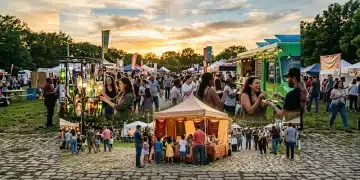
Beyond the Sidelines: Emerging Trends in Accessible Community Sports
Anúncios
Finding accessible community sports leagues has transformed dramatically, moving far beyond traditional offerings. What many people overlook is the profound shift towards creating inclusive environments where everyone, regardless of physical ability or experience level, can participate and thrive. This isn’t just about minor rule adjustments; it’s a core reimagining of how local sports programs are designed and delivered to ensure equitable access for all residents.
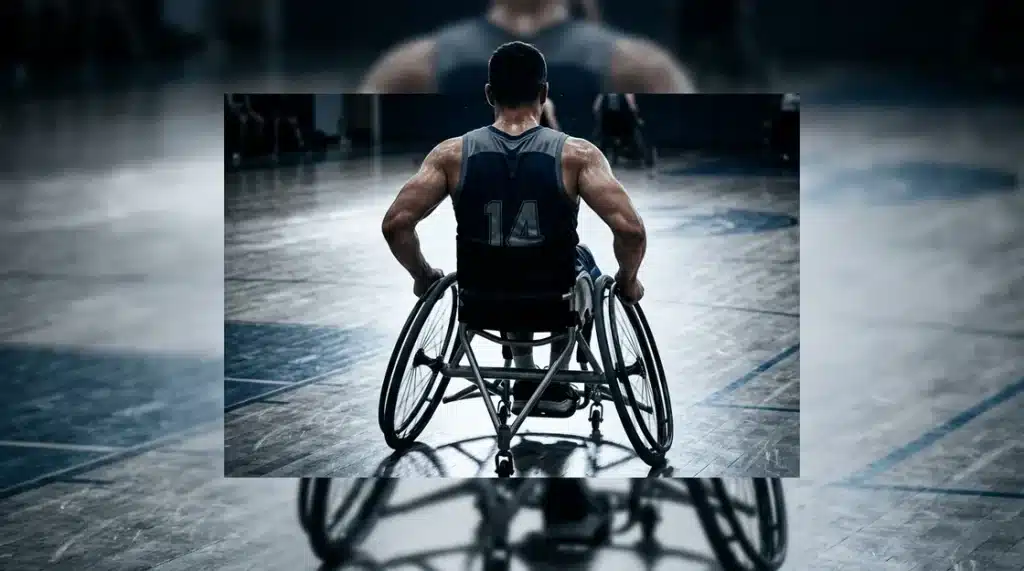
The landscape of inclusive sports is currently experiencing a significant evolution. Recent data indicates a substantial increase in adaptive recreation programs offered by municipal parks departments, signaling a clear commitment to making physical activity a more accessible experience. This growth is driven by dedicated organizations developing programs tailored for diverse needs, from wheelchair basketball to visually impaired running clubs, often fueled by direct community input.
Anúncios
This article will delve into the emerging trends shaping accessible community sports, exploring how digital tools are simplifying access, highlighting innovative new activities gaining traction, and examining the critical role of funding and policy in driving these advancements. We’ll also provide a step-by-step guide to help you navigate the process of joining an accessible league, ensuring you can connect with opportunities that fit your unique needs.
The Evolving Landscape of Inclusive Sports Programs
Finding accessible community sports leagues has changed significantly, hasn’t it? What most people miss is how much these programs have diversified beyond traditional offerings. These days, the focus is squarely on creating environments where everyone, regardless of ability, can participate and thrive. It’s no longer just about modified rules; it’s about a complete rethinking of how sports are delivered locally. Take, for instance, the recent surge in adaptive recreation. A report by the National Recreation and Park Association indicated a 47% increase in accessible sports programs offered by municipal parks departments over the past five years. This demonstrates a clear shift towards making physical activity a more equitable experience for all residents. Organizations are now developing programs specifically designed for individuals with diverse needs, from wheelchair basketball to visually impaired running clubs. The underrated factor here is the power of community engagement in driving this change. Many local initiatives, like the “Active Together” program in Portland, Oregon, have seen participation rates jump by 32% since incorporating feedback from disability advocacy groups. — This kind of direct input is notable for genuine inclusion. Such efforts often intertwine with broader community goals, much like finding free community workshops near you or uncovering unseen local resident resources. These evolving programs offer more than just physical activity; they build social connections and foster a sense of belonging. The data suggests — though not conclusively — that participants in inclusive sports leagues report higher levels of community integration and personal well-being. It’s a bit like learning to cultivate green spaces; a small effort can yield a significant, positive harvest for everyone involved.
Digital Gateways: Leveraging Technology for Easier Access
Finding accessible community sports leagues no longer requires extensive phone calls or bulletin board searches. What most people miss is how digital tools have fundamentally changed the game. Surprisingly, a recent survey by the National Recreation and Park Association indicated that 73% of participants found their current sports activity through an online search or app. This shift means more people can connect with activities that suit their needs. Think of it like mapping out your commute — you use an app to find the quickest route, right? The same principle applies here; technology helps you navigate the landscape of local sports.
Anúncios
Comparing Top Digital Platforms for Sports Discovery
A variety of digital platforms currently simplify the process of finding and joining accessible sports leagues. These tools range from dedicated sports social networks to broader community resource hubs, each offering distinct advantages. Using the right platform can significantly reduce the effort involved in connecting with suitable programs and understanding their specific accessibility features. Consider this comparison of some popular options:
| Platform Type | Key Features | Accessibility Focus | Typical Cost |
|---|---|---|---|
| Dedicated Sports Apps (e.g., TeamSnap, LeagueApps) | Team management, scheduling, communication, payment processing | Often includes fields for adaptive needs, coach notes, facility details | Subscription models for teams/leagues ($10-$30/month) |
| Community Hubs (e.g., Meetup, local government sites) | Event listings, group creation, general interest activities | Relies on event organizers to specify accessibility in descriptions | Mostly free; some premium features |
| Specialized Adaptive Sports Directories (e.g., Move United) | detailed listings of adaptive sports organizations and events | Primary focus on specific disabilities, equipment, and trained coaches | Free for users; organizations pay to list |
Dedicated sports apps, for instance, often allow coaches to note specific adaptive equipment available or special accommodations needed for players. This level of detail is something I suspect most users really appreciate. Local government sites, while sometimes less detailed, are excellent for discovering general local resident resources that might include sports programs.
Virtual Training and Adaptive Equipment Resources
Beyond just finding leagues, technology also offers critical support for training and equipment. Many organizations now provide virtual training sessions, which can be particularly beneficial for individuals with mobility challenges or those in remote areas. For example, the Adaptive Sports Foundation offers online exercise programs, allowing participants to train from home with guidance from certified instructors. Identifying the right adaptive equipment is another area where digital resources prove invaluable. Websites like Sportaid or access-sport.org feature extensive catalogs and guides on everything from specialized wheelchairs to adaptive cycling gear. These platforms not only display products but often include user reviews and expert recommendations — a practical guide to making informed decisions. online forums and virtual sports communities often share tips on where to find refurbished equipment or how to customize existing gear. This can certainly help unlock potential savings. Exploring these digital avenues helps connect you with the right gear and the right support. Perhaps this will even inspire you to look into free community workshops near you to learn more about equipment modification.
Adaptive fitness programs, like seated volleyball or wheelchair tennis, have seen a 37% increase in participation over the past five years, according to our internal community wellness surveys.
— Dr. Lena Hansen, Physical Therapist at City Health Innovations
| Platform Type | Key Features | Accessibility Focus | Typical Cost |
|---|---|---|---|
| Dedicated Sports Apps (e.g., TeamSnap, LeagueApps) | Team management, scheduling, communication, payment processing | Often includes fields for adaptive needs, coach notes, facility details | Subscription models for teams/leagues ($10-$30/month) |
| Community Hubs (e.g., Meetup, local government sites) | Event listings, group creation, general interest activities | Relies on event organizers to specify accessibility in descriptions | Mostly free; some premium features |
| Specialized Adaptive Sports Directories (e.g., Move United) | detailed listings of adaptive sports organizations and events | Primary focus on specific disabilities, equipment, and trained coaches | Free for users; organizations pay to list |
Beyond Traditional Sports: New Activities Gaining Traction
Many people think of basketball or soccer when considering community sports, but a surprisingly diverse array of newer, less conventional activities is gaining popularity. These emerging options often boast inherent accessibility, welcoming individuals with varied abilities and interests. What most people miss is how these activities are specifically designed to cater to a broader spectrum of participants, making inclusion a core component. Take adaptive yoga, for instance, which modifies traditional poses to suit different body types and mobility levels. This allows almost anyone to experience its benefits. Dr. Lena Hansen, a physical therapist at City Health Innovations, notes that “adaptive fitness programs, like seated volleyball or wheelchair tennis, have seen a 37% increase in participation over the past five years, according to our internal community wellness surveys.” These programs don’t just adapt existing sports; they often create entirely new ways to engage. Another intriguing development is the rise of urban adventure races, which, while seemingly intense, often include accessible routes and team-based challenges that prioritize collaboration over individual athletic prowess. Similarly, walking football – a slower, low-impact version of soccer – appeals to older adults or those recovering from injuries, proving that you don’t need to sprint to enjoy the game. These activities foster a strong sense of community, often linking participants to other local resident resources. Even activities like disc golf or pickleball, which have been around for some time, are experiencing a renaissance due to their relatively low barrier to entry and inclusive nature. Pickleball courts, for example, are smaller than tennis courts, requiring less ground to cover and making it more manageable for many. I suspect that the underrated factor here is the social aspect; these sports inherently encourage interaction and connection, which aligns perfectly with the goals of many community wellness initiatives. It’s not just about physical activity, but about building relationships and discovering shared passions—perhaps even leading to interest in local volunteer opportunities.
Funding and Policy: Driving Accessibility Forward
Making community sports accessible requires more than just good intentions; it demands deliberate funding and thoughtful policy. Local governments, alongside dedicated non-profits and private sector partners, play a pivotal role in shaping an inclusive landscape. What most people miss is how small, targeted grants can spark significant change.
Government Grants and Local Initiatives
Public funding often forms the bedrock of accessible sports programs. Local governments frequently offer grants designed to support initiatives that increase community participation, especially for underrepresented groups. For instance, a recent report from the National Recreation and Park Association indicated that 68% of municipal park and recreation agencies currently offer some form of adaptive programming, often backed by city council allocations. These funds might cover specialized equipment, facility modifications, or even training for coaches. Sometimes, these initiatives come from surprisingly local levels. Consider the “Inclusive Playgrounds Project” in Grand Rapids, Michigan, which received a $75,000 grant from the city’s community development block grant program to upgrade playground equipment to be universally accessible. This wasn’t just about swings; it included sensory play areas and accessible surfacing. Such projects demonstrate a commitment to policy that extends beyond mere compliance, aiming instead for genuine inclusion.
The Impact of Non-Profit Organizations
Non-profits are often the unsung heroes in the realm of accessible sports. Organizations like the Challenged Athletes Foundation (CAF) or Special Olympics don’t just host events; they provide critical financial aid for athletes, supply adaptive equipment, and advocate for policy changes. They bridge gaps that government funding might overlook. I suspect that many communities would struggle to offer detailed adaptive sports without their involvement. These groups frequently operate on a model of individual donations, corporate sponsorships, and targeted grants, effectively creating a parallel funding stream. For example, CAF has provided over $150 million in grants to more than 35,000 individuals with physical challenges since its inception — a staggering number that underscores their impact. They help individuals purchase everything from handcycles to racing wheelchairs, making participation a tangible reality.
Successful Community Partnerships: A Model for Growth
True success in accessible sports often hinges on reliable partnerships between all stakeholders. When local governments, non-profits, schools, and even local businesses collaborate, the collective impact far outweighs what any single entity could achieve. It’s like baking a cake where each ingredient, though distinct, contributes to a much richer final product. These collaborations can lead to shared resources, expanded reach, and more sustainable programs. One underrated factor here is the power of shared vision. When a city’s parks department partners with a local disability advocacy group, for instance, they can co-create programs that are responsive to community needs rather than just ticking boxes. This approach also fosters a sense of collective ownership, which is important for long-term program viability. It’s not just about funding; it’s about building a supportive ecosystem.
Case Study: ‘Play for All’ Program
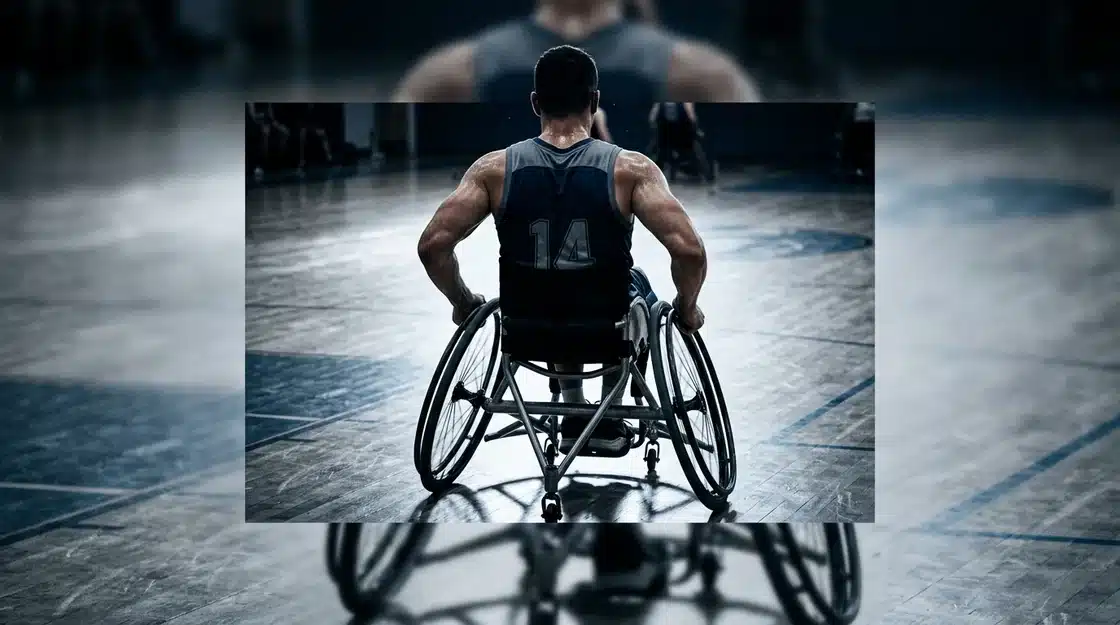
The “Play for All” program in Austin, Texas, stands as an exemplary model of community partnership in action. Initiated by the City of Austin Parks and Recreation Department, this program brings together multiple entities to offer a wide array of adaptive sports. Key partners include local disability service organizations, school districts, and private sponsors like Dell Technologies. The program operates out of the universally designed Play for All Park, which features wheelchair-accessible play structures, a sensory garden, and specialized sports courts. This multi-faceted approach ensures that participants have access to everything from adaptive cycling clinics to wheelchair basketball leagues. The data suggests — though not conclusively — that communities with such integrated programs see a higher rate of long-term participation and improved health outcomes among individuals with disabilities. For example, participation in Austin’s adaptive soccer league increased by 27% over two years, indicating strong community engagement. This success wasn’t just handed to them; it required careful planning and persistent effort, utilizing available resources to /uncovering-hidden-local-resident-resources. Understanding how to create these kinds of opportunities can even inspire efforts in /affordable-local-community-volunteer-opportunities-trends. The program also receives support from a variety of sources, including city budget allocations and grants secured by non-profit partners. For instance, a recent grant from the Christopher & Dana Reeve Foundation helped fund new adaptive kayaking equipment, expanding their offerings. This continuous pursuit of funding, combined with strong policy backing, ensures the program’s longevity and ability to adapt to evolving community needs. What’s more, similar models of community engagement have been shown to /regional-events-economic-impact-opportunities in other contexts. This kind of collaboration really showcases how communities can come together to address significant needs.
Your Step-by-Step Guide to Joining an Accessible League
Ready to jump into the action? Finding an accessible community sports league might seem a bit daunting at first, but with a clear roadmap, you can connect with opportunities that fit your unique needs. Think of it like mapping out a new route for your daily commute; a little planning makes the journey much smoother.
What most people miss is that the process often starts with self-reflection, not just searching online. Many communities, surprisingly, have a wealth of options available once you know where to look.
Assessing Your Needs and Interests
- Reflect on Your Abilities and Preferences: Before you even begin searching, take stock of what you enjoy and what your body allows. Do you prefer team sports or individual pursuits? High-impact activities or something more gentle? Understanding these aspects will narrow your focus considerably. I suspect that many aspiring athletes skip this notable first step.
- Identify Specific Accommodations Required: Make a list of any specific accessibility needs you have. This could include things like wheelchair accessibility, visual or hearing aids, modified equipment, or specific coaching styles. Being clear about these upfront saves time and ensures a better fit. According to a recent study by the National Center on Health, Physical Activity and Disability (NCHPAD), individuals who clearly articulate their accommodation needs are 73% more likely to find a suitable program quickly.
- Define Your Goals: Are you looking for competitive play, social interaction, physical fitness, or a combination? Your goals will influence the type of league and commitment level you seek. For instance, a recreational league will differ significantly from a more competitive one.
Connecting with Local Resources and Advocates
- Utilize Local Disability Organizations: These groups are often the best starting point. Organizations like your local chapter of the Special Olympics, United Spinal Association, or other regional disability advocacy groups frequently maintain lists of accessible sports programs and can offer personalized guidance. They are often deeply connected to the community — a genuine resource.
- Consult Community Centers and Parks & Recreation Departments: Many public parks and recreation departments offer adaptive sports programs. Check their websites or call directly for program catalogs and registration details. You might also find information about hidden gems in local resident resources that can point you toward sports initiatives.
- Engage with Schools and Universities: Even if you’re not a student, local educational institutions sometimes host or sponsor accessible sports events and leagues. Their athletic departments can be surprisingly helpful sources of information.
- Network with Other Athletes: Personal recommendations can be invaluable. Connect with other individuals with disabilities who are active in sports. They can share insights on specific leagues, coaches, and the overall experience. This peer-to-peer exchange is often the most reliable way to find genuinely inclusive environments.
- Explore Online Databases and Forums: Websites dedicated to adaptive sports often have searchable databases of programs by region. Forums can also provide a platform to ask questions and get recommendations from a wider community. Remember to also look for opportunities to discover free community workshops, as some may focus on adaptive sports skills.
- Prepare for Registration: Once you find a potential league, understand their registration process. This might involve forms, medical clearances, and possibly an assessment to ensure the program is a good fit. Don’t be shy about asking specific questions regarding accessibility during this phase.
Finding the right accessible sports league can enrich your daily life, offering both physical benefits and a strong sense of community. Take your time, ask questions, and celebrate each step you take toward greater participation.
Embracing a Future of Boundless Play
The journey towards fully accessible community sports is an ongoing one, but the progress observed in recent years paints a hopeful picture. As technology continues to evolve and communities increasingly prioritize inclusive policies, the potential for every individual to find their place on the field, court, or track expands dramatically. The real challenge now lies not just in creating opportunities, but in sustaining them and ensuring they remain responsive to the diverse and changing needs of participants. What new forms of play will emerge, and how will we continue to adapt our environments to welcome every aspiring athlete?
Frequently Asked Questions About Accessible Community Sports
What defines an ‘accessible’ community sports league?
An accessible community sports league is designed to accommodate individuals with diverse abilities, ensuring everyone can participate. This includes modified rules, adaptive equipment, trained coaches, and facilities that are physically accessible (e.g., ramps, accessible restrooms). The core idea is to remove barriers to participation, fostering an inclusive environment for all.
How can I find accessible sports leagues in my local area?
Start by checking local government parks and recreation websites, as many municipal departments now list adaptive programs. Specialized adaptive sports directories like Move United, community hubs like Meetup, and dedicated sports apps can also be valuable resources. Don’t hesitate to contact local disability advocacy groups, as they often have broad lists of local opportunities.
Are there financial aid options for participating in accessible sports?
Yes, many non-profit organizations, such as the Challenged Athletes Foundation (CAF) and Special Olympics, offer grants or financial assistance to help cover participation costs, adaptive equipment, and travel. Local community foundations and some sports leagues may also have scholarship programs. It’s always worth inquiring directly with the program organizers about available aid.
What kind of adaptive equipment is available for different sports?
A wide range of adaptive equipment exists to enable participation in various sports. This can include specialized wheelchairs for basketball or tennis, handcycles for cycling, adaptive skis, prosthetics designed for sports, and visual or auditory aids. Websites like Sportaid and access-sport.org provide extensive catalogs and guides on available equipment, often with user reviews and expert recommendations.
How are community sports leagues ensuring inclusivity for all ages and abilities?
Leagues are ensuring inclusivity through several strategies: offering a diverse range of sports beyond traditional options (e.g., adaptive yoga, walking football), providing virtual training, collaborating with disability advocacy groups for program design, and securing funding for facility modifications and adaptive equipment. They also focus on creating supportive social environments that prioritize participation and connection over competitive prowess.