Emergency Preparedness Checklist 2026: 7 Essential Items Your Home Needs Before June

Anúncios
Emergency Preparedness Checklist 2026: 7 Essential Items Your Home Needs Before June
As we navigate the complexities of modern life, the importance of being prepared for unforeseen circumstances cannot be overstated. Natural disasters, power outages, economic disruptions, and other emergencies can strike without warning, leaving individuals and families vulnerable. This is why having a robust emergency preparedness checklist is not just a recommendation but a necessity. With June 2026 rapidly approaching, now is the critical time to review and update your home’s readiness. This comprehensive guide will walk you through seven essential items your home needs to be fully prepared, ensuring the safety and well-being of your loved ones.
The goal of any effective emergency preparedness checklist is to minimize panic and maximize your ability to react calmly and effectively when a crisis hits. Being prepared means having the right tools, supplies, and knowledge to sustain yourself and your family for at least 72 hours, if not longer. This timeframe is often crucial as it allows emergency services to mobilize and reach those most in need. Don’t wait for an emergency to realize you’re unprepared. Let’s dive into the specifics.
Anúncios
1. Water: The Most Critical Resource on Your Emergency Preparedness Checklist
When creating an emergency preparedness checklist, water always takes the top spot. Without access to clean drinking water, survival becomes incredibly difficult. The general recommendation is to store at least one gallon of water per person per day for a minimum of three days, for both drinking and sanitation. However, in an ideal scenario, aim for a two-week supply if space and budget allow.
Why Water is Paramount
- Hydration: The human body can only survive a few days without water. Dehydration can quickly lead to severe health issues, impaired cognitive function, and physical weakness.
- Sanitation: Water is essential for basic hygiene, such as hand washing, wound cleaning, and food preparation, which helps prevent the spread of illness in a crisis.
- Cooking: Many emergency food options require water for rehydration or cooking.
How to Store Water Effectively
- Bottled Water: Commercially bottled water is a convenient option. Store it in a cool, dark place away from direct sunlight and chemicals. Check expiration dates, although water itself doesn’t expire, the plastic bottles can degrade over time, affecting taste.
- Water Storage Containers: Food-grade plastic containers (like those used for camping or water cooler bottles) are excellent for storing larger quantities. Ensure they are clean and properly sealed.
- Water Purification Methods: Even with stored water, having purification methods is crucial. Include water purification tablets, a portable water filter (like a Lifestraw or Sawyer filter), and the knowledge of how to boil water safely. These are vital additions to your emergency preparedness checklist for ensuring a continuous supply of potable water.
Maintenance Tip
Rotate your stored water supply every six months to a year. Use older water for gardening or cleaning and replenish with fresh water.
Anúncios
2. Non-Perishable Food: Sustenance for the Long Haul
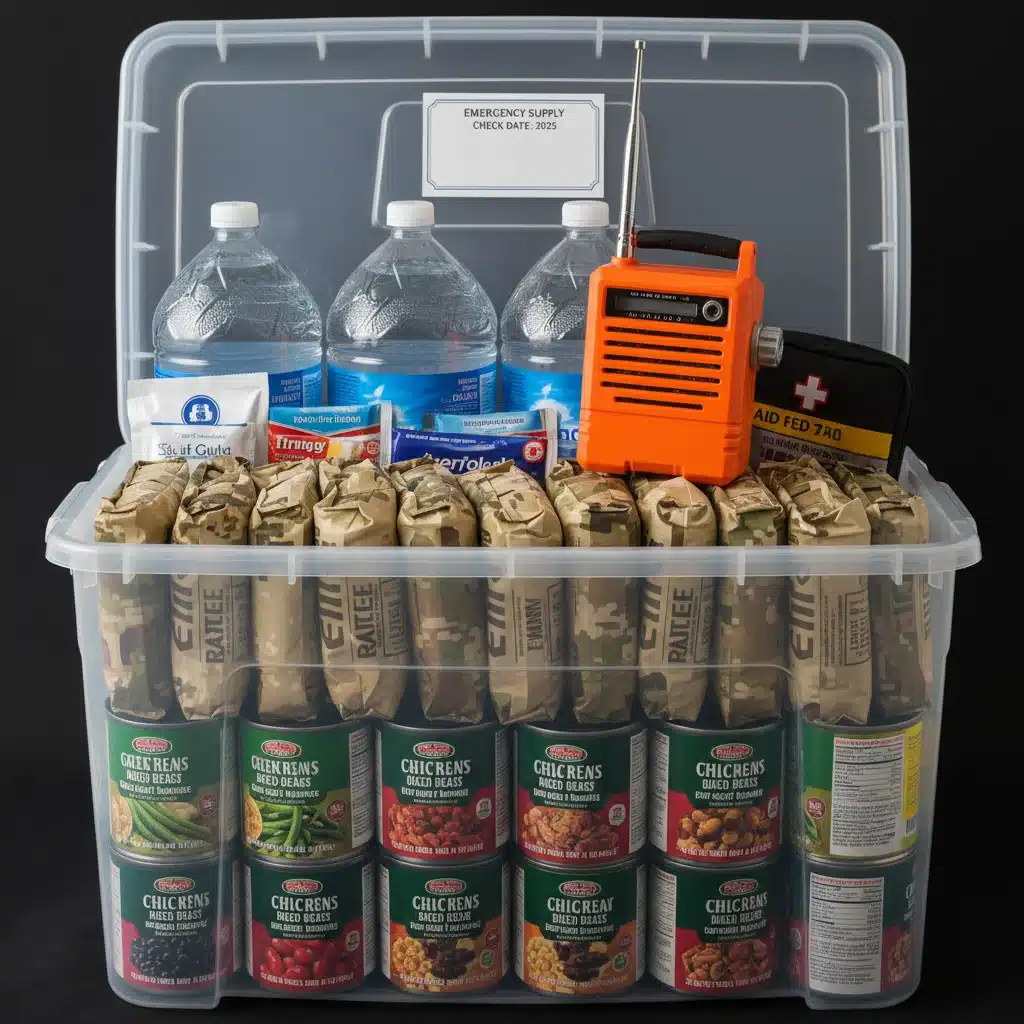
After water, food is the next critical component of your emergency preparedness checklist. You need food that requires no refrigeration, minimal preparation, and has a long shelf life. Aim for a three-day supply per person as a minimum, but ideally, strive for a two-week to one-month supply.
Ideal Emergency Food Items
- Canned Goods: Vegetables, fruits, beans, meats (tuna, chicken). These are easy to store and often come ready-to-eat. Don’t forget a manual can opener!
- Dried Foods: Dried fruits, nuts, jerky, granola bars. These are lightweight, high in calories, and have a long shelf life.
- MREs (Meals Ready-to-Eat): While more expensive, MREs are designed for long-term storage, are nutritionally complete, and often include heating elements.
- Peanut Butter: High in protein and calories, and has a long shelf life.
- Crackers and Cereal: Good for quick energy.
Consider Dietary Needs
When compiling your food supply, remember to account for any dietary restrictions, allergies, or specific needs of family members (e.g., baby formula, pet food). This personalized approach makes your emergency preparedness checklist truly effective.
Cooking and Preparation
Include basic cooking tools like a portable camping stove with fuel, disposable plates and cutlery, and cooking pots if your chosen foods require heating. Remember, in a power outage, your regular kitchen appliances won’t work.
3. First-Aid Kit: Essential for Health and Safety
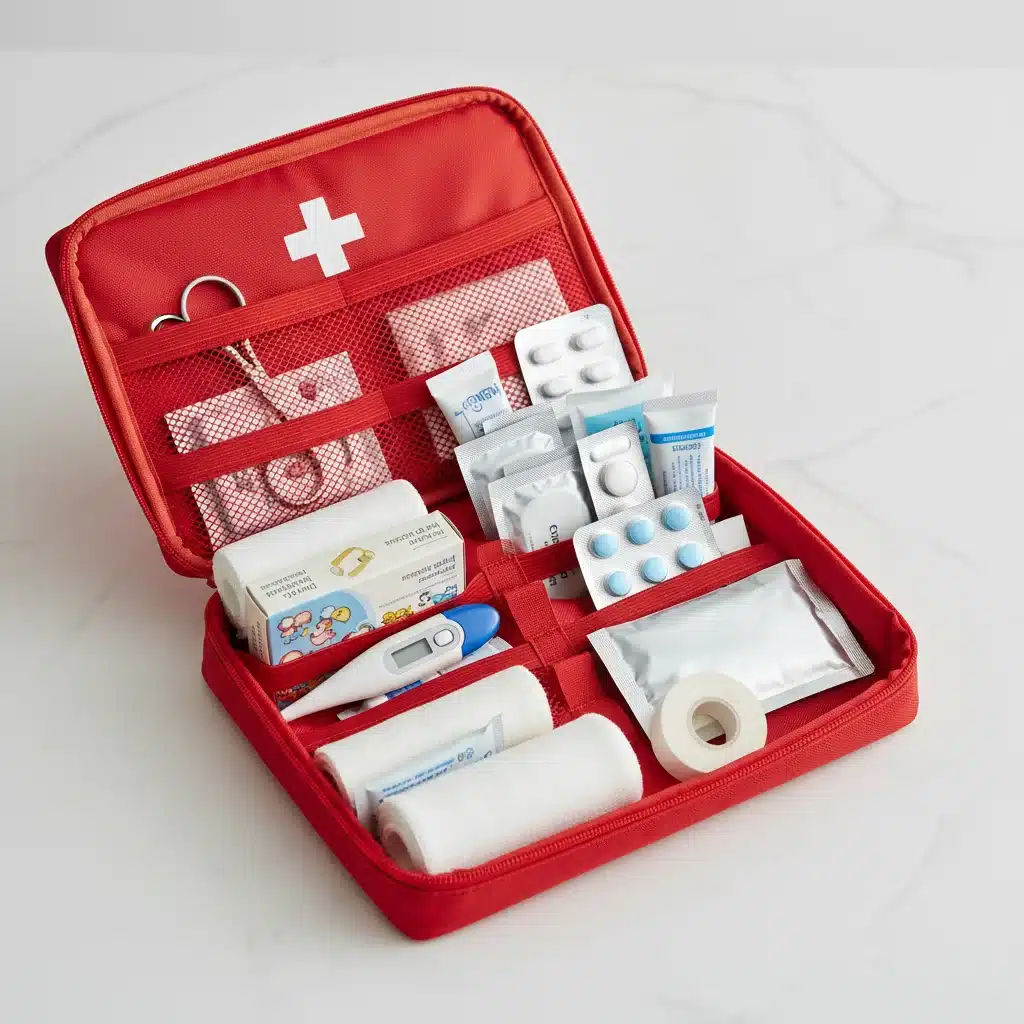
A well-stocked first-aid kit is non-negotiable for any thorough emergency preparedness checklist. Minor injuries can quickly become serious without proper care, and access to medical facilities might be limited or impossible during a crisis.
Key First-Aid Kit Contents
- Bandages and Dressings: Assorted sizes of adhesive bandages, sterile gauze pads, adhesive tape, and elastic bandages.
- Antiseptics: Antiseptic wipes, rubbing alcohol, hydrogen peroxide, and antibiotic ointment to prevent infection.
- Pain Relievers: Aspirin, ibuprofen, acetaminophen.
- Allergy Medication: Antihistamines for allergic reactions.
- Prescription Medications: Ensure you have at least a 7-day supply of any essential prescription medications for all family members. Rotate these regularly to keep them current.
- Tools: Scissors, tweezers, safety pins, thermometer, disposable gloves.
- Special Items: Any personal medical supplies like an EpiPen, insulin, or asthma inhalers.
Location and Accessibility
Keep your first-aid kit in a central, easily accessible location that all family members know about. Consider having smaller, portable kits for cars or bug-out bags as well.
4. Communication and Lighting: Staying Connected and Safe
In an emergency, power outages are common, rendering cell phones and traditional lighting useless. Your emergency preparedness checklist must include reliable alternatives for communication and illumination.
Communication Tools
- Battery-Powered or Hand-Crank Radio: An NOAA weather radio with alert function is crucial for receiving emergency broadcasts, weather updates, and official instructions.
- Fully Charged Power Banks: For charging cell phones and other small electronic devices.
- Whistle: For signaling for help.
- Extra Batteries: For all battery-operated devices.
Lighting Solutions
- Flashlights: Several reliable flashlights with extra batteries. LED flashlights are energy-efficient.
- Headlamps: Allow for hands-free operation.
- Battery-Powered Lanterns: Provide broader illumination for a room.
- Glow Sticks: A safe, flameless light source, especially useful for children.
- Avoid Candles: While traditional, candles pose a fire risk and should be used with extreme caution or avoided in emergency kits.
5. Important Documents and Cash: Your Personal Information Safeguarded
In the event of an evacuation or significant disruption, having access to critical personal and financial documents is paramount. This often overlooked item is essential for a complete emergency preparedness checklist.
Key Documents to Secure
- Identification: Passports, driver’s licenses, birth certificates.
- Financial Records: Bank account numbers, insurance policies (home, auto, health, life), deeds, titles, investment information.
- Medical Information: Immunization records, lists of medications and dosages, doctor contact information, medical power of attorney.
- Emergency Contacts: A physical list of family, friends, and out-of-state contacts.
How to Store Them
- Waterproof and Fireproof Container: Store original documents in a secure, easily accessible, waterproof, and fireproof safe or box.
- Digital Backups: Scan important documents and store them on an encrypted USB drive or in a secure cloud storage service. Ensure you can access these offline if needed.
- Grab-and-Go Bag: Keep copies of the most critical documents in a separate, easily portable bag that you can take with you if you need to evacuate quickly.
Cash
During power outages, ATMs and credit card machines may not work. Keep a supply of small bills in cash for essential purchases. This is a vital component of your financial readiness within your emergency preparedness checklist.
6. Tools and Utility Shut-Offs: Practical Preparedness
Being able to perform basic repairs or shut off utilities can prevent further damage and ensure safety during an emergency. Incorporating a basic toolkit and knowledge of your home’s utilities is a smart move for your emergency preparedness checklist.
Essential Tools
- Multi-tool or Wrench: For turning off gas and water lines.
- Pliers and Screwdrivers: For minor repairs.
- Duct Tape: The ultimate versatile repair tool.
- Work Gloves: To protect hands.
- Manual Can Opener: For canned goods.
- Fire Extinguisher: A readily accessible, ABC-rated fire extinguisher. Know how to use it.
Utility Shut-Off Knowledge
Everyone in the household should know how to shut off the main water valve, gas line, and electricity. Practice this so that in an emergency, it can be done quickly and safely. Tag these shut-off points for easy identification.
7. Shelter and Comfort: Beyond Basic Survival
While food and water are critical for survival, maintaining morale and physical comfort can significantly impact resilience during a prolonged emergency. Your emergency preparedness checklist should also address basic shelter and comfort needs.
Shelter and Warmth
- Sleeping Bags or Warm Blankets: Even if you’re staying home, a power outage in cold weather can make your house uninhabitable without a heat source.
- Tents or Tarps: If evacuation is necessary or if your home is damaged, these can provide temporary shelter.
- Rope or Cordage: For securing tarps or other shelter needs.
Hygiene and Sanitation
- Toiletries: Toothbrushes, toothpaste, soap, shampoo, feminine hygiene products, toilet paper.
- Hand Sanitizer: When water is scarce.
- Garbage Bags: For waste disposal and sanitation.
- Bucket with Lid: Can serve as a makeshift toilet if plumbing is compromised.
Comfort and Morale
- Books, Games, Playing Cards: For entertainment, especially for children, to alleviate boredom and stress.
- Comfort Items: A favorite stuffed animal for a child, a comforting blanket.
Creating Your Personalized Emergency Preparedness Checklist
While these seven categories form the core of any robust emergency preparedness checklist, it’s crucial to personalize it to your family’s specific needs and your geographic location. Consider:
- Local Risks: Are you prone to hurricanes, earthquakes, floods, wildfires, or blizzards? Your kit should reflect these specific threats.
- Family Members: Do you have infants, elderly individuals, or people with disabilities? Their needs must be specifically addressed.
- Pets: Don’t forget pet food, water, medications, and carriers.
- Evacuation Plan: Develop and practice a family evacuation plan, including meeting points and communication strategies.
- Bug-Out Bag: A smaller, portable version of your emergency kit designed for quick evacuation.
The Importance of Regular Review and Practice
Having an emergency preparedness checklist is only the first step. To ensure your readiness, you must:
- Review Annually: Check expiration dates on food, water, and medications. Replace batteries. Update documents.
- Practice Drills: Periodically practice your family’s emergency plan, including fire drills and evacuation routes.
- Stay Informed: Be aware of local emergency alerts and weather forecasts.
- Educate Everyone: Ensure all capable family members know where supplies are, how to use them, and what to do in different scenarios.
Conclusion: Be Ready by June 2026
The time to prepare for emergencies is before they happen. By systematically working through this emergency preparedness checklist and gathering these seven essential items, you’ll significantly enhance your home’s resilience and your family’s safety. Don’t delay; the peace of mind that comes from knowing you’re ready for almost anything is invaluable. Make it your priority to have these preparations in place well before June 2026. Your future self and your family will thank you for it.