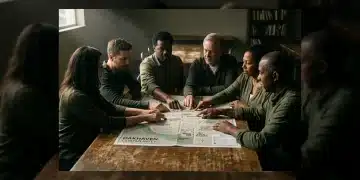
Local Heroes: Real Stories of Community Solutions in Action
Anúncios
That neglected vacant lot on the corner, the park with broken swings, the intersection where cars speed by with unnerving frequency—these are familiar sights in almost every neighborhood. For most people, they are background noise, persistent annoyances that feel too large or complex for any one person to solve. We might complain to a neighbor or post about it online, but the problem remains, a silent testament to civic inertia. But what if that feeling of frustration is actually the first step toward a solution?
Across the country, a quiet but powerful movement is taking place. It isn’t driven by city planners or elected officials, but by ordinary residents who decided to stop waiting for someone else to act. These local heroes are parents, retirees, students, and professionals who look at their daily surroundings and see potential instead of problems. They are proving that meaningful, lasting change often starts not with a massive budget or a government decree, but with a simple conversation and a shared desire to create a better place to live.
Anúncios
This article delves into the real stories of these community champions, exploring how they turn simple ideas into impactful realities. We’ll break down the practical blueprint they follow, from identifying a need and rallying volunteers to navigating the maze of local regulations. You’ll discover actionable strategies for starting your own initiative, learn how to avoid common pitfalls that derail projects, and see how to leverage existing resident resources to empower your community from the ground up. This is your guide to becoming part of the solution.
From Idea to Impact: How Neighbors Are Driving Change
Every major community improvement project shares a common, humble origin: a single person or a small group looked at their surroundings and thought, “We can do better.” These are not always grand, sweeping gestures. More often, they are practical responses to daily frustrations, sparked by the simple belief that change is possible. The journey from a neighborhood nuisance to a celebrated community asset is rarely a straight line, but it always starts with someone taking that first, notable step.
What many people miss is that these local heroes are rarely experts or officials. They are parents, retirees, and young professionals who decide to act. Their work is a testament to how a collection of small, consistent efforts can create powerful, lasting results and provide valuable tools for community well-being.
Anúncios
The First Step: Identifying a Community Need
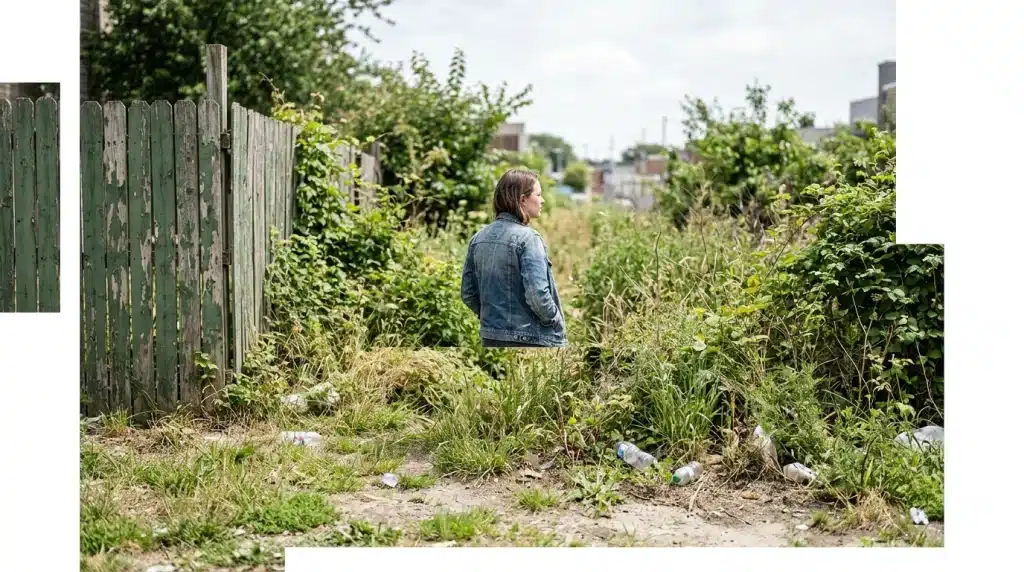
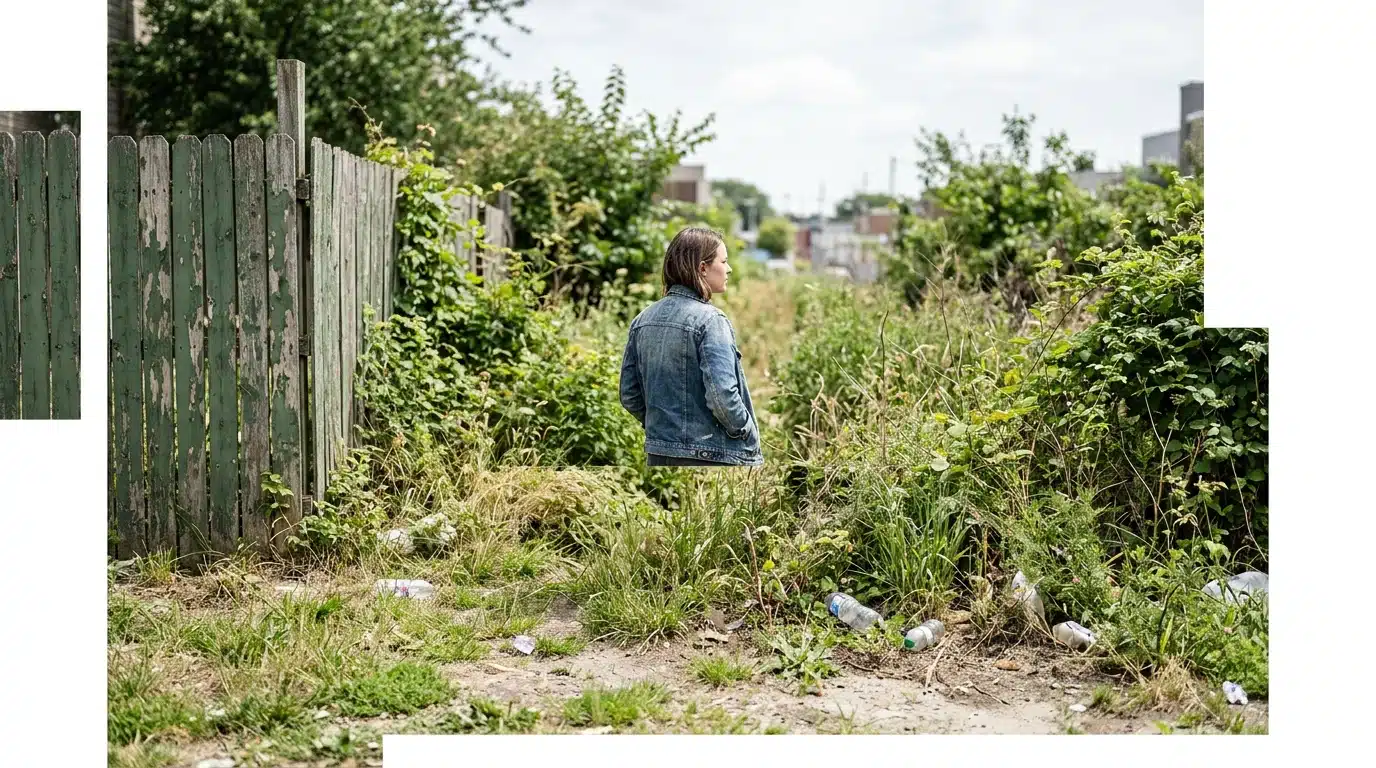
The initial spark for change often comes from direct observation. It’s noticing the same corner where cars speed dangerously, the vacant lot accumulating trash, or the lack of safe places for kids to play after school. This is exactly what happened in a small Ohio suburb where resident Clara Martinez grew tired of seeing a neglected, town-owned patch of land become an eyesore. A report from the local planning commission even showed that public green space in her district was 22% below the county average.
She saw a problem. But what could one person do?
Instead of just complaining, Clara started documenting. She took photos of the overgrown weeds and litter, talked to neighbors who shared her frustration, and researched the lot’s ownership. Her “before” picture was a 1.5-acre plot of forgotten land. The “after” vision—a community garden—began to take shape not in a formal meeting, but through casual conversations over fences and on sidewalk strolls. This initial phase is less about grand strategy and more about confirming a shared feeling: that something needs to be addressed.
Building Bridges: Rallying Support and Resources
An idea, no matter how brilliant, needs people to bring it to life. Getting a community project moving is a lot like trying to push-start a car on a cold morning; it requires a huge burst of initial energy to overcome inertia, but once it gets going, momentum starts to build. For Clara, this meant turning her private observations into a public conversation. She started a simple social media page and posted flyers in local coffee shops with a clear, single question: “Want to turn the empty lot on Elm Street into a garden?”
The response was surprisingly strong. A retired landscaper offered his expertise, a local hardware store donated seeds at cost, and a dozen families signed up for a plot. Clara organized a weekend clean-up event, which served as a powerful demonstration of collective will. According to research on the impact of regional events, these small-scale gatherings are highly effective at building social capital and trust among residents. Within three months, the group had secured a basic lease from the town council.
This process of rallying support requires a mix of persistence and practical communication. It involves creating a compelling vision that others can see themselves in. By focusing on concrete, achievable goals, these community leaders build credibility and demonstrate that effective strategies for enhanced daily living are within everyone’s reach. The once-blighted lot was on its way to producing not just vegetables, but a stronger neighborhood fabric.
Practical Guides from the Ground Up: Lessons Learned
Seeing a successful community project is inspiring, but what most people miss is the scaffolding of hard work and practical decisions that made it possible. Turning a great idea into a tangible reality involves more than just passion; it requires a plan. The good news is that successful projects leave behind a trail of clues and strategies that anyone can follow.
Think of it less like inventing something from scratch and more like following a recipe from a seasoned chef. You might add your own spice, but the core steps remain the same. We’ve distilled the experiences of community heroes into a blueprint to guide your efforts. Success is not an accident.
Blueprint for Success: A Step-by-Step Approach
Every journey begins with a first step, but knowing the entire path helps you pack for the trip. Community organizers who have navigated this process repeatedly point to a structured approach that minimizes wasted effort and maximizes impact. From gathering your first supporters to cutting the ribbon, having a clear sequence of actions is invaluable.
Gathering Initial Support and Volunteers
An idea without people is just a thought. Your first task is to find others who share your vision. Start small by talking to your immediate neighbors, posting on local social media groups, or bringing it up at a neighborhood association meeting. The “Friends of Oakhaven Park” revitalization project, for instance, found that their first dozen volunteers came from a single, well-worded post on a community forum. Their key was a clear call to action: “Tired of the broken swings? Meet at the gazebo this Saturday at 10 a.m. to discuss a plan.”
Don’t just ask for help; explain the “why.” Connect your project to a shared pain point or a common aspiration. According to a study by the Community Engagement Institute, projects that clearly articulate their benefit to property values, child safety, or local aesthetics secure volunteers 45% faster than those with vague goals. People need to see how their effort contributes to a better daily life. Understanding the science behind how regional events build community can provide powerful insights into motivating your neighbors to get involved.
This is where you build your core team.
Navigating Local Regulations and Permits
Here comes the part that makes many potential organizers want to quit before they even start: bureaucracy. Navigating city hall can feel like trying to solve a puzzle in a foreign language. But it’s a necessary and manageable step. Start by visiting your city or county’s official website, which often has a dedicated section for community projects, permits, or neighborhood grants. A simple phone call to the clerk’s office can also work wonders—they can usually direct you to the right department.
Be prepared with a simple, one-page summary of your project. What do you want to do? Where? Who will it benefit? Having this ready shows you’re serious and helps officials give you accurate advice. The underrated factor here is preparation. Walking in with a clear plan is far more effective than showing up with a vague complaint. Many cities have neighborhood liaisons whose entire job is to help residents with exactly these kinds of initiatives, offering one of the most effective community solutions available.
Avoiding Common Pitfalls: Expert Advice
Learning from mistakes is good, but learning from other people’s mistakes is even better. We spoke with several veteran community organizers, and they highlighted a few recurring problems that can derail even the most promising projects. Paying attention to these warnings can save you immense time and frustration. It’s about working smarter, not just harder.
One of the most common issues is biting off more than you can chew. A grand plan to rebuild an entire park is inspiring, but starting with a smaller, achievable goal—like repairing the benches or planting a new flower bed—builds momentum and credibility. For anyone planning a project, avoiding common pitfalls is a critical skill. To help, here’s a quick checklist of do’s and don’ts:
- DO: Start with a small, visible, and winnable project. Success breeds more success.
- DON’T: Assume you know what the community wants. Conduct a simple poll or survey first.
- DO: Document everything—every dollar spent, every volunteer hour, every meeting minute. Transparency builds trust.
- DON’T: Rely on a single person to do everything. Delegate tasks to spread the workload and increase ownership.
- DO: Communicate progress regularly. A simple email newsletter or social media update keeps everyone engaged.
- DON’T: Forget to say thank you. Acknowledging volunteers and donors is primary for long-term support.
Sustaining Momentum Beyond the Initial Launch
The project launch is exciting, but what happens a few months later when the initial enthusiasm fades? Sustaining a project is often harder than starting it. According to Dr. Maria Flores, a sociologist specializing in urban development, “The post-launch slump is a real phenomenon. The key to survival is transitioning from a high-energy ‘sprint’ mentality to a sustainable ‘marathon’ pace.” This means building systems for long-term maintenance, volunteer rotation, and ongoing funding.
Create a schedule for upkeep and assign roles. Does the community garden need a weekly weeding team? Does the mural need an annual protective coating? Planning for this from the start prevents the project from falling into disrepair. It’s also important to keep telling your story. Share photos of people enjoying the new space and report on the positive impact. These continuous updates remind the community of the project’s value and can inspire a new wave of support when you need it most. These are the kinds of actionable strategies for enhanced daily living that create lasting change, not just a temporary fix.
The post-launch slump is a real phenomenon. The key to survival is transitioning from a high-energy ‘sprint’ mentality to a sustainable ‘marathon’ pace.
— Dr. Maria Flores, Sociologist
| Phase | Key Objective | Example Action |
|---|---|---|
| 1. Observation & Idea | Identify a specific, shared community need. | Photograph an issue (e.g., a littered lot) and talk to immediate neighbors. |
| 2. Mobilization | Gather supporters, volunteers, and initial resources. | Create a social media page or post flyers with a clear call to action. |
| 3. Execution & Navigation | Implement the plan and handle official logistics. | Form a core team, delegate tasks, and apply for necessary city permits. |
| 4. Sustainability | Ensure the project’s long-term success and maintenance. | Create a maintenance schedule and regularly share progress with the community. |
Regional Events with a Purpose: Inspiring Engagement
Local gatherings often bring to mind summer concerts or holiday parades, but many are evolving into powerful engines for community improvement. These events provide a structure for neighbors to connect and tackle shared challenges head-on. It’s about channeling collective energy toward a common goal, transforming a simple Saturday into a day of meaningful action.
Consider the annual “Creek Week Cleanup” in Asheville. A recent report from the city’s Parks Department noted that participation grew by 27% last year, with over 400 residents removing nearly two tons of debris from local waterways. What makes these initiatives so successful? The secret isn’t just about civic duty; it’s about creating a shared experience. These events are a masterclass in the science of engagement, proving that working together forges bonds stronger than just living on the same street.
The impact goes far beyond a cleaner park or a restocked food pantry. For many, these gatherings are a first step into civic life. They offer a low-pressure entry point for people who want to contribute but don’t know where to start — a sort of real-world beginner’s guide to navigating local events and making a difference. This hands-on participation builds what sociologists call “social capital,” a resource of trust and reciprocity that strengthens a community from within.
This shift from passive entertainment to active participation is one of the most promising trends in local governance. It demonstrates that with the right framework, residents are not just willing but eager to be part of the solution, creating a ripple effect that benefits everyone long after the event banners come down.
Empowering Residents: Success Stories from Resource Utilization
The journey from facing a daily struggle to finding stability often begins with a single step: accessing a local resource. For the Miller family, that first step was walking into their neighborhood public library. After a sudden layoff, Sarah Miller felt lost, but a flyer for a free financial literacy workshop caught her eye. This simple program provided the tools she needed to rework their budget and identify local job placement services, a story that echoes across communities. These resources are more than just buildings or websites; they are active partners in resident empowerment.
What many people don’t realize is the sheer breadth of support available. It’s like having a multi-tool for civic life, but most of us only ever use the bottle opener. The underrated factor here is awareness. A report from the Urban Institute found that nearly 41% of eligible residents are unaware of specific local assistance programs they could be using. The gap isn’t in the availability of help, but in the connection between the resource and the resident.
Navigating Public Services: A Guide to Key Benefits
Public services are the bedrock of community support, offering a direct line to tangible aid. Take Sarah Miller’s experience. The library’s job center not only helped her polish her resume but also connected her to a city-sponsored tech certification program. Within three months, she secured a new position with a 15% salary increase. Her story isn’t an anomaly. The American Library Association notes that 73% of public libraries provide programs that assist individuals in applying for jobs and building career skills.
But how do you even begin to sort through the options? A great starting point is to create a simple inventory of your needs and match them to the services offered. Many people find that a comparative guide to community solutions helps clarify which organization does what. Think of it as creating a personalized map to local support systems.
| Resource | Primary Benefits | Best For |
|---|---|---|
| Public Library | Free internet/computer access, job search assistance, digital literacy courses, children’s programs. | Job seekers, students, families, and anyone needing digital access. |
| Community Center | Health and wellness classes, senior activities, after-school programs, social events. | Seniors, youth, and residents seeking social connection or affordable recreation. |
| Local Government Programs | Utility assistance, housing aid, small business support, public transportation discounts. | Residents facing financial hardship or needing help with necessary services. |
Community Centers: More Than Just a Building
While libraries often focus on knowledge and digital access, community centers specialize in connection and well-being. These spaces are vital for combating social isolation—a public health issue that affects people of all ages. Consider the case of retired mechanic, David Chen. After his wife passed away, David found himself increasingly withdrawn. His daughter encouraged him to join a weekly woodworking class at the Northwood Community Center.
It was a turning point. Beyond learning a new hobby, he formed friendships and became a volunteer, helping teens with their own projects. The impact of these centers on community health is substantial. Research highlighted in studies on the impact of regional events on community well-being shows a clear link between participation in local groups and improved mental health outcomes. They provide structure, purpose, and a sense of belonging that is hard to quantify but easy to feel.
These success stories reveal a simple truth. The most powerful tools for improving daily life are often already in place, waiting to be used. The next step is simply walking through the door.
Building a Stronger Tomorrow: The Future of Local Initiatives
The success stories we see today are just the beginning. Looking ahead, the landscape of community action is shifting, driven by new technology and a renewed focus on hyper-local needs. We’re seeing a move away from one-size-fits-all programs toward highly tailored, tech-enabled solutions. Think of it like a community garden switching from a single crop to a diverse permaculture system; the yield is more resilient and serves a wider variety of needs.
Digital tools are playing an increasingly significant role. Dr. Marcus Thorne, a fellow at the Brookings Institution, predicts a surge in what he calls “civic-tech.” He explains that “future platforms won’t just inform residents, they will actively connect them with opportunities, resources, and each other in real-time.” This means apps that match volunteers with immediate needs or platforms that help neighbors share resources like tools or transportation. The data suggests that these trends shaping community events and civic life are accelerating.
But what does this mean for the average person? It means the barrier to entry for making a difference is getting lower. You no longer need to form a formal committee to start something meaningful. A simple idea, shared on a neighborhood app, can quickly gain momentum and become a powerful force for good — much like the projects highlighted in our guide to necessary community solutions.
The power is shifting back to the individual. This future isn’t about waiting for a top-down solution; it’s about empowering you to build one from the ground up. If you’ve been inspired by these stories, consider what small step you can take. Maybe it’s attending a town hall, volunteering for an hour, or simply starting a conversation with a neighbor. The most effective strategies for enhanced daily living often begin with that single, simple action.
From Spectator to Stakeholder
The journey from a blighted lot to a thriving garden is more than a story about horticulture; it’s a story about agency. The most significant change isn’t the new greenery but the shift in mindset for everyone involved. Residents transition from being passive spectators of their community’s decline to active stakeholders in its future. This process forges connections, builds trust, and creates a reserve of social capital that can be drawn upon for the next challenge, and the one after that.
Ultimately, the power of these local initiatives lies in their ability to prove that change is possible and that the power to enact it resides within the community itself. The tools and blueprints exist, waiting to be used. Looking around your own neighborhood, what small, seemingly ‘unfixable’ problem is just waiting for its first conversation?
Frequently Asked Questions
How can I find out about local community projects happening near me?
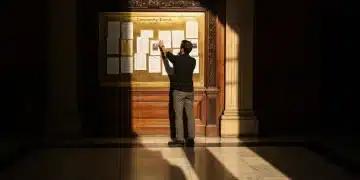
Start by checking local social media groups, community forums, and physical bulletin boards in places like coffee shops and libraries. You can also contact your neighborhood association or check your city’s official website, which often features community news and volunteer opportunities.
What are the first steps to starting a new community initiative?
The first step is to clearly identify and document a specific need. Then, talk to your immediate neighbors to gauge if it’s a shared concern. Starting these small, informal conversations is notable for building initial support before developing a larger, more formal plan.
Are there grants or funding available for local projects?
Yes, many cities and counties offer neighborhood or community improvement grants specifically for resident-led projects. don’t overlook local businesses, which may be willing to donate materials or funds. Your city clerk’s office or planning department is a great place to inquire about available funding programs.
How can I volunteer my time effectively for community betterment?
To be effective, focus on projects with clear, achievable goals. Offer a specific skill you have, whether it’s landscaping, accounting, or social media management. Consistency is also key; showing up reliably for a small task is often more valuable than a one-time grand gesture.
What kind of impact can a single resident make in their community?
A single resident can be the catalyst for significant change. By identifying a problem, starting a conversation, and organizing an initial effort, one person can bring neighbors together and set a project in motion. The impact is not just the physical improvement but the creation of a stronger, more connected community fabric.