Master Weekly Meal Planning: 30-Minute Strategy for Busy Lives
Anúncios
Master Weekly Meal Planning: Your 30-Minute Strategy for Busy Lives
In today’s fast-paced world, finding time for healthy eating can feel like an impossible task. Between work, family, and personal commitments, the idea of preparing nutritious meals often takes a backseat to convenience foods and takeout. However, what if we told you that you could revolutionize your eating habits and reclaim precious hours each week with just 30 minutes of focused effort? Welcome to the ultimate guide to weekly meal planning for busy individuals. This comprehensive resource is designed to empower you with the strategies, tools, and mindset needed to plan a week’s worth of delicious, healthy meals in less time than it takes to watch an episode of your favorite show.
Anúncios
The benefits of effective weekly meal planning extend far beyond just saving time. Imagine reducing food waste, cutting down on your grocery bill, making healthier food choices consistently, and eliminating the daily stress of deciding what to cook. For many, the biggest hurdle isn’t the cooking itself, but the planning. The good news is that with the right approach, weekly meal planning can become a seamless and enjoyable part of your routine. We’ll delve into practical steps, essential tools, and insider tips that will transform you into a meal-planning pro, even if you’ve never planned a meal in your life.
Why Weekly Meal Planning is Your Secret Weapon
Before we dive into the ‘how,’ let’s reinforce the ‘why.’ Understanding the profound impact of strategic weekly meal planning can be a powerful motivator. It’s not just about food; it’s about optimizing your time, health, and finances.
Time Savings: Reclaim Your Evenings
Think about the cumulative time spent each day deciding what to eat, making multiple trips to the grocery store, or waiting for takeout. With weekly meal planning, you consolidate these efforts. A single 30-minute planning session can save you hours throughout the week. No more last-minute dinner scrambles, no more aimless wandering in the supermarket aisles. You’ll have a clear roadmap, allowing you to move through your week with greater efficiency and less mental load.
Anúncios
Healthier Eating Habits: Fuel Your Body Better
When you plan your meals in advance, you’re more likely to make conscious, nutritious choices. Impulse decisions, often driven by hunger or convenience, tend to lean towards less healthy options. Weekly meal planning encourages you to incorporate a balanced variety of vegetables, lean proteins, and whole grains. It also helps you control portion sizes and reduce your reliance on processed foods, directly contributing to better overall health, increased energy levels, and even weight management goals.
Budget Management: Save Money, Reduce Waste
One of the most immediate and tangible benefits of weekly meal planning is its positive impact on your wallet. By creating a detailed grocery list based on your meal plan, you buy only what you need, minimizing impulse purchases and reducing food waste. This can lead to significant savings over time. Furthermore, cooking at home is almost always more cost-effective than dining out or ordering delivery, making meal planning a smart financial strategy.
Stress Reduction: Peace of Mind
The daily question of “What’s for dinner?” can be a surprising source of stress. Meal planning eliminates this decision fatigue. Knowing exactly what you’re going to eat and having the ingredients on hand provides a sense of control and calm. This peace of mind frees up mental energy for other aspects of your life, making your evenings more relaxed and enjoyable.
The 30-Minute Weekly Meal Planning Blueprint: Step-by-Step
Ready to get started? Here’s your actionable, 30-minute blueprint to master weekly meal planning. Remember, consistency is key, and with practice, this process will become second nature.
Step 1: Inventory Your Kitchen (5 minutes)
Before you even think about recipes, take a quick inventory of what you already have. Check your pantry, fridge, and freezer. What ingredients are about to expire? What staples do you have in abundance? This step is crucial for reducing food waste and inspiring meal ideas without needing to buy new ingredients. Make a mental note or a quick list of these items.
Step 2: Check Your Schedule (5 minutes)
Your week isn’t static, and neither should your meal plan be. Look at your calendar for the upcoming week. Are there late meetings, social engagements, or evenings when you’ll be out? Identify days when you’ll need quick meals, leftovers, or won’t be eating at home. This helps you tailor your meal plan to your actual life, making it realistic and sustainable.
Step 3: Choose Your Meals (10 minutes)
This is where the magic happens. Focus on simplicity and efficiency. Aim for:
- Theme Nights: Taco Tuesday, Pasta Thursday, Meatless Monday can simplify choices.
- Repurposing Ingredients: Plan to use similar ingredients in different meals. For example, roasted chicken can be dinner one night, then used in a salad or sandwich the next.
- Batch Cooking: Identify one or two larger meals that can be cooked in bulk and provide leftovers for lunches or another dinner.
- Quick & Easy Recipes: Have a repertoire of 30-minute meals that you love and can whip up quickly on busy evenings.
- Balance: Ensure a good mix of proteins, vegetables, and carbohydrates.
Don’t overthink it. Start with 3-4 dinner ideas, and consider how they can translate into lunches. Breakfasts can often be consistent (oatmeal, yogurt, eggs) or prepped in advance (overnight oats, breakfast burritos).
Step 4: Create Your Grocery List (5 minutes)
Once your meals are chosen, compile a detailed grocery list. Break it down by supermarket sections (produce, dairy, pantry, meat, frozen) to make your shopping trip even faster. Double-check your kitchen inventory to avoid buying duplicates. This step is a cornerstone of effective weekly meal planning.
Step 5: Quick Prep Plan (5 minutes)
While this isn’t the actual prep, it’s the planning of the prep. Think about what can be done in advance. Can vegetables be chopped? Grains cooked? Sauces made? This quick mental (or written) plan for your actual meal prep session (which might happen on a Sunday afternoon, for example) saves significant time during the week. Even 30-60 minutes of dedicated prep time on one day can dramatically reduce daily cooking times.
Essential Tools for Efficient Weekly Meal Planning
You don’t need fancy gadgets to master weekly meal planning, but a few key tools can make the process smoother and more enjoyable.
A Reliable Meal Planner
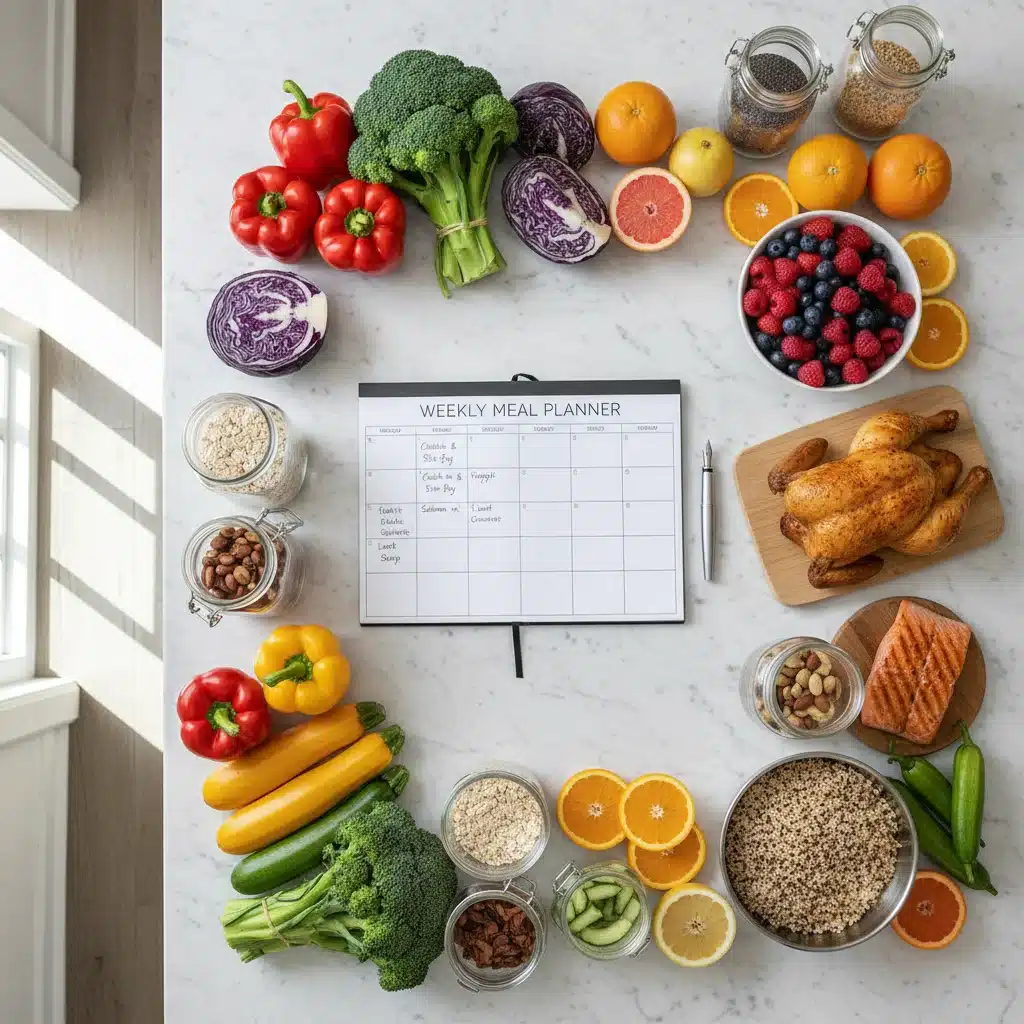
Whether it’s a physical notebook, a printable template, or a digital app, having a dedicated space for your meal plan is crucial. Choose what works best for your style. Many free printable templates are available online that allow you to list meals, ingredients, and even prep notes.
Grocery List App or Template
Digital grocery lists (like AnyList, OurGroceries, or even just your phone’s notes app) can be incredibly helpful. They allow you to add items as you think of them, share lists with family members, and often categorize items automatically. If you prefer pen and paper, a well-organized printable grocery list template is equally effective.
Food Storage Containers
Good quality, airtight food storage containers are essential for meal prepping and storing leftovers safely. Glass containers are excellent for reheating, while BPA-free plastic is often lighter and more portable. Invest in a variety of sizes.
Basic Kitchen Equipment
While not strictly a planning tool, having a well-stocked kitchen with basic equipment (sharp knives, cutting board, large pots and pans, baking sheets) makes the execution of your meal plan much easier and faster.
Advanced Tips & Tricks for Weekly Meal Planning Success
Once you’ve got the basics down, these advanced strategies will elevate your weekly meal planning game even further.
Master the Art of Batch Cooking
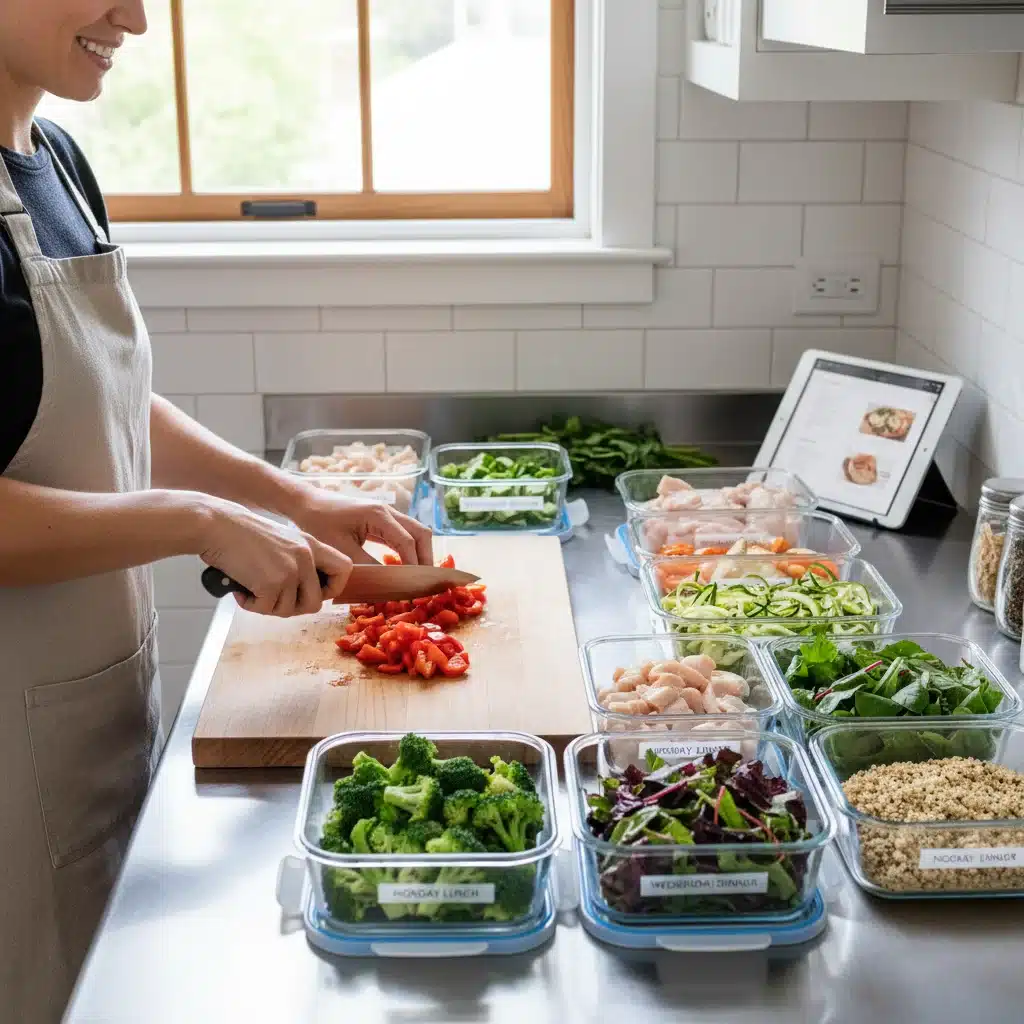
Batch cooking is your biggest ally in saving time. Dedicate an hour or two on a less busy day (like Sunday) to cook foundational ingredients in bulk. Examples include:
- Grains: Cook a large batch of quinoa, rice, or farro.
- Proteins: Roast a whole chicken, grill several chicken breasts, or cook a large pot of lentils or beans.
- Vegetables: Chop a variety of vegetables for salads, stir-fries, or roasting.
- Sauces/Dressings: Prepare homemade dressings or sauces that can be used throughout the week.
These pre-cooked components can then be mixed and matched into various meals with minimal effort during the week.
Embrace Theme Nights for Simplicity
As mentioned earlier, theme nights can drastically simplify your decision-making process. Instead of thinking of 7 unique dinners, you just need to think of a theme for each day. Examples:
- Meatless Monday: Lentil soup, bean burgers, veggie stir-fry.
- Taco Tuesday: Fish tacos, chicken tacos, veggie tacos.
- Pasta Wednesday: Pesto pasta, spaghetti and meatballs, pasta primavera.
- Stir-fry Thursday: Chicken stir-fry, beef and broccoli, tofu stir-fry.
- Pizza Friday: Homemade pizza, pita pizzas, frozen pizza.
- Soup/Salad Saturday: Hearty soup, substantial salad with protein.
- Roast Sunday: Roasted chicken, pork loin, root vegetables.
Leverage Your Freezer
Your freezer is a powerful tool for weekly meal planning. Cook double batches of freezer-friendly meals (chili, lasagna, soup, casseroles) and freeze half for a future busy night. You can also freeze individual portions of cooked grains, proteins, or chopped vegetables. This creates a ready-made stash of healthy options for those days when even 30 minutes of planning feels like too much.
Keep a Running List of Favorite Recipes
Create a digital or physical cookbook of your family’s favorite, tried-and-true recipes. Organize them by meal type or cooking time. When it’s time to plan, you can quickly pull from this list, eliminating the need to constantly search for new ideas. This also ensures you’re cooking meals everyone enjoys, reducing resistance and food waste.
Don’t Forget Snacks and Breakfasts
While dinners often get the most attention, planning for breakfasts and snacks is equally important for maintaining healthy eating habits throughout the day. Consider options like:
- Breakfasts: Overnight oats, yogurt parfaits, hard-boiled eggs, breakfast burritos (freezer-friendly).
- Snacks: Pre-portioned nuts, fruit, veggie sticks with hummus, homemade energy balls.
Having these ready to grab prevents unhealthy snacking and ensures you start your day nourished.
Overcoming Common Weekly Meal Planning Challenges
Even with the best intentions, you might encounter some hurdles. Here’s how to navigate them:
“I get bored eating the same things.”
Variety is key! Don’t feel pressured to eat the exact same meal every day. Focus on varying your proteins, vegetables, and cooking methods. Use your batch-cooked ingredients to create different combinations. For example, roasted chicken can become chicken salad, chicken tacos, or a chicken and veggie bowl. Explore new recipes regularly, but integrate them slowly.
“I don’t have time for meal prep.”
Even 15-30 minutes of targeted prep can make a difference. Focus on the highest impact tasks: chopping onions and garlic, washing and cutting greens, cooking grains. If a full prep session isn’t feasible, integrate small prep tasks into your daily cooking. For example, chop extra veggies while making dinner for the next day’s lunch.
“My family is picky.”
Involve your family in the planning process! Ask them for their favorite meals or ingredients. Offer choices within a meal (e.g., build-your-own taco bar). Gradually introduce new foods alongside familiar favorites. Remember, you don’t have to cook entirely separate meals; often, a slight modification or deconstructed version can satisfy everyone.
“I struggle with portion control.”
Meal planning is an excellent tool for portion control. When you prep meals, portion them directly into individual containers. This allows you to visually understand appropriate serving sizes and avoid overeating. Using a food scale initially can also help you learn what correct portions look like.
“I’m concerned about food spoilage.”
Proper storage is vital. Invest in good airtight containers. Store cooked food in the fridge for no more than 3-4 days. If you’re prepping for the entire week, plan to eat more perishable items earlier in the week and save freezer meals or heartier, longer-lasting dishes for later. Freezing is your best friend for extending shelf life.
Printable Resources to Kickstart Your Weekly Meal Planning
To make your 30-minute weekly meal planning even easier, we’ve compiled a list of essential printable resources you can use:
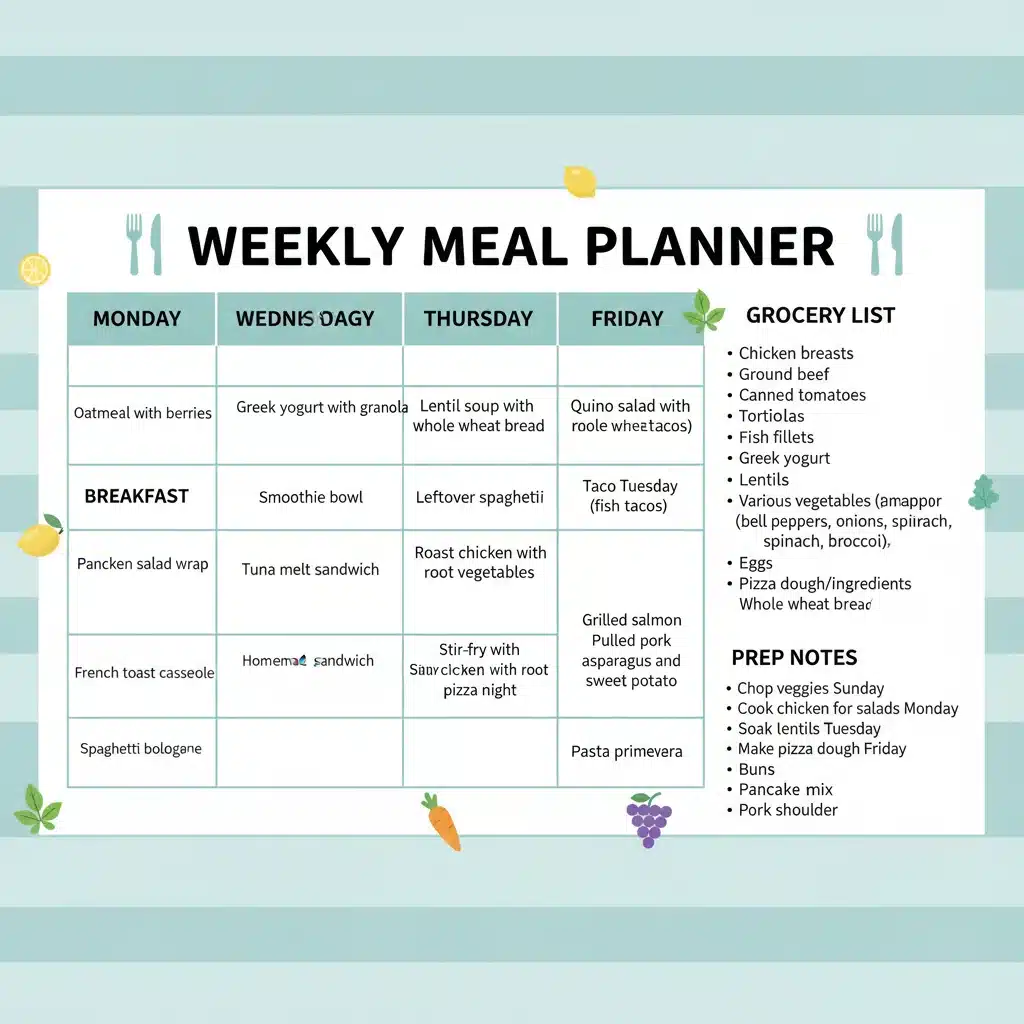
Weekly Meal Planner Template
A simple grid with days of the week and sections for breakfast, lunch, and dinner. Include a small section for snacks or notes. This helps you visualize your week’s meals at a glance.
Categorized Grocery List
A grocery list divided into categories like produce, dairy, meat, pantry, frozen, etc., to streamline your shopping trip and ensure you don’t miss anything.
Pantry & Freezer Inventory Sheet
A sheet to keep track of what you have on hand, especially for non-perishable items and frozen goods. This reduces unnecessary purchases and helps you use up what you already own.
Favorite Recipes Index
A simple list or index card template where you can jot down the names of your go-to meals and where to find the recipe (e.g., ‘Chicken Stir-fry – page 45 of cookbook’ or ‘Lentil Soup – website link’).
You can find many free, customizable versions of these templates online with a quick search. Print them out, laminate them, and use a dry-erase marker for a reusable system!
The Long-Term Benefits of Consistent Weekly Meal Planning
Adopting weekly meal planning as a regular habit offers a compounding return on your initial 30-minute investment. Beyond the immediate benefits, you’ll experience:
- Increased Culinary Confidence: As you plan and prepare more, you’ll become more comfortable and creative in the kitchen.
- Greater Food Awareness: You’ll develop a better understanding of nutrition, seasonality, and how different ingredients work together.
- Sustainable Healthy Habits: Meal planning isn’t a diet; it’s a lifestyle change that fosters consistent healthy choices without feeling restrictive.
- More Free Time: The accumulated hours saved from daily decision-making and multiple shopping trips can be redirected towards hobbies, relaxation, or quality time with loved ones.
- Reduced Mental Load: The cognitive burden of daily food decisions is lifted, freeing up mental space for other priorities.
Conclusion: Your Journey to Stress-Free Eating Starts Now
The idea of weekly meal planning might seem daunting at first, especially when you’re already juggling a busy schedule. However, by dedicating just 30 minutes each week to strategic planning, you can unlock a world of benefits: more time, healthier eating, significant savings, and a profound reduction in daily stress. It’s not about perfection, but about progress and consistency.
Start small, be patient with yourself, and celebrate every planned meal. Use the blueprint, tools, and tips provided in this guide, and don’t be afraid to adapt them to fit your unique lifestyle and preferences. Your journey to more organized, delicious, and stress-free eating begins with that first 30-minute planning session. Embrace the power of weekly meal planning, and watch as it transforms not just your kitchen, but your entire week.