Sustainable Style: 5 Essential Tips to Extend Clothing Life
Anúncios
Sustainable Style: 5 Essential Tips to Extend Clothing Life
In an era of fast fashion and fleeting trends, the environmental impact of our clothing choices has become a pressing concern. Every year, millions of tons of textiles end up in landfills, contributing to pollution and resource depletion. But what if there was a way to enjoy our favorite garments for longer, reduce our environmental footprint, and even save money in the process? The answer lies in simple, mindful clothing care. By learning how to extend clothing life, we not only embrace a more sustainable lifestyle but also cultivate a deeper appreciation for the items we own.
This comprehensive guide will walk you through five essential tips designed to help you preserve your wardrobe, ensuring your clothes remain vibrant, functional, and stylish for years to come. From the moment you bring a new item home to understanding when and how to repair it, we’ll cover the crucial steps that make a significant difference. Let’s delve into the art and science of prolonging the lifespan of your beloved garments.
Anúncios
1. Master the Art of Washing: The Foundation to Extend Clothing Life
Washing is perhaps the most frequent interaction we have with our clothes, yet it’s often done without much thought, leading to premature wear and tear. Understanding the nuances of proper washing techniques is paramount if you want to extend clothing life. It’s not just about getting clothes clean; it’s about maintaining their fabric integrity, color, and shape.
Read the Care Labels: Your Clothing’s Instruction Manual
Every garment comes with a care label, a small but mighty source of information. These labels provide specific instructions on temperature, cycle type, and whether an item should be hand-washed, dry-cleaned, or tumble-dried. Ignoring these symbols is a common mistake that can lead to shrinking, stretching, fading, or damage to delicate fibers. Take a few moments to decipher these symbols; they are your first line of defense in preserving your clothes.
Anúncios
Separate by Color, Fabric, and Soil Level
This might seem like common sense, but it’s a step many rush through. Separating clothes isn’t just about preventing color bleeding. Washing heavy items like jeans with delicate blouses can cause friction and damage. Similarly, heavily soiled items can transfer dirt to cleaner ones. Grouping clothes by color (whites, lights, darks), fabric type (delicates, synthetics, cottons), and soil level ensures each load receives the appropriate treatment, helping to extend clothing life significantly.
Choose the Right Detergent and Water Temperature
Not all detergents are created equal. Opt for a mild, pH-neutral detergent for most of your laundry. For delicates, a specialized gentle detergent is a must. When it comes to water temperature, cooler is generally better. Cold water washing saves energy, prevents color fading, and is gentler on fabrics, making it an excellent practice to extend clothing life. Hot water can set stains, shrink certain fabrics, and break down elastic fibers over time.
Turn Clothes Inside Out and Use Mesh Bags
Turning garments inside out before washing protects the outer surface from abrasion, especially for items with prints, embellishments, or dark colors. This simple trick minimizes fading and pilling. For delicate items like lingerie, hosiery, or anything with intricate details, mesh laundry bags are invaluable. They prevent snagging, stretching, and tangling, offering an extra layer of protection during the wash cycle.
Avoid Overloading the Washing Machine
An overloaded washing machine doesn’t clean clothes effectively and puts undue stress on both the machine and your garments. Clothes need space to move freely in the water and detergent. Overloading can lead to incomplete rinsing, excessive wrinkling, and increased friction, all of which contribute to faster wear. Load your machine to about three-quarters full to ensure proper cleaning and to extend clothing life.
2. Drying Delicately: Preserve Fabric Integrity
Just as crucial as washing, the drying process plays a significant role in how long your clothes last. High heat and aggressive tumbling can cause irreparable damage, leading to shrinkage, fading, and the breakdown of elastic fibers. Mastering gentle drying techniques is key to truly extend clothing life.
Air Drying: The Ultimate Fabric Preserver
Whenever possible, air drying is the best option for nearly all garments. It’s gentle, energy-efficient, and prevents the heat-related damage that can occur in a dryer. Hang shirts and blouses on hangers, lay sweaters flat to prevent stretching, and use a drying rack for other items. Ensure good air circulation to prevent mildew and unpleasant odors. Air drying helps maintain the original shape and size of clothes, significantly helping to extend clothing life.
Low Heat and Shorter Cycles for Tumble Drying
If you must use a tumble dryer, opt for the lowest heat setting and remove clothes while they are still slightly damp. Over-drying can make fabrics brittle, cause shrinkage, and generate static electricity that attracts lint. Using dryer balls can help reduce drying time and soften fabrics naturally, further protecting your garments and helping to extend clothing life.
Avoid Direct Sunlight for Colored Items
While sunlight is a natural bleach for whites, it can cause colored fabrics to fade rapidly. When air drying colored clothes outdoors, choose a shaded area or turn them inside out to minimize direct sun exposure. This simple precaution will keep your colors vibrant for longer.
3. Smart Storage Solutions: Protect Your Wardrobe
How you store your clothes when not in use is just as important as how you wash and dry them. Proper storage protects garments from dust, pests, wrinkles, and physical damage, all of which are vital steps to extend clothing life.
Clean Before Storing
Never store dirty or even slightly worn clothes. Invisible stains, body oils, and food particles can attract pests like moths and silverfish, and can also set into the fabric over time, becoming much harder to remove. Always wash or dry-clean garments before putting them away, especially for seasonal storage. This preventative measure is fundamental to extend clothing life.
Use Appropriate Hangers
The right hanger can make a world of difference. Padded hangers are ideal for delicate fabrics like silk and knits, preventing shoulder bumps and stretching. Wooden hangers are excellent for heavier items like suits and coats, as they offer sturdy support and can help deter pests like moths if made from cedar. Avoid wire hangers, as they can distort the shape of garments and leave unsightly marks.
Fold Heavy Knits and Delicate Items
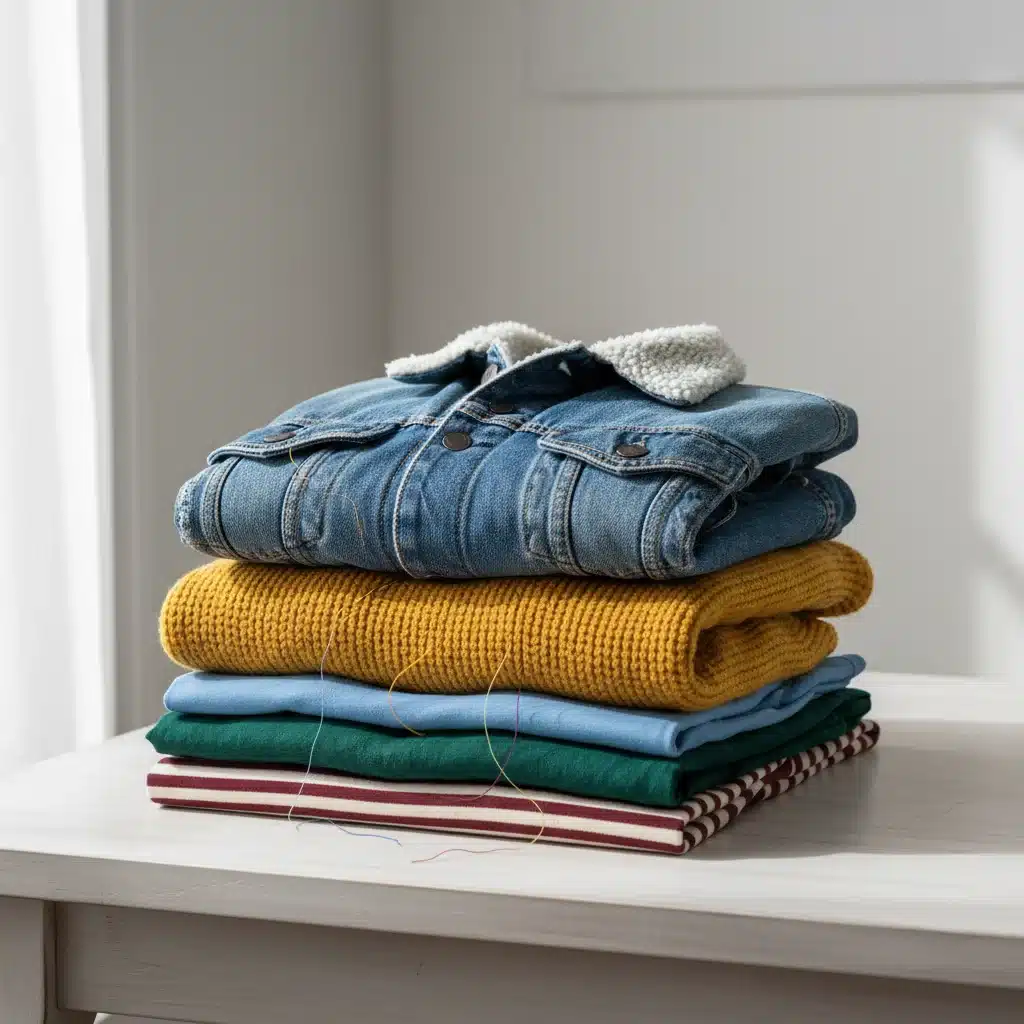
Sweaters, heavy knits, and delicate items like beaded tops should always be folded, not hung. Hanging these items can cause them to stretch out of shape due to gravity. Store folded items in drawers or on shelves, ensuring they are not tightly packed, which can create permanent creases and restrict airflow. This attention to detail is crucial to extend clothing life.
Protect from Pests and Moisture
Pests like moths and silverfish can wreak havoc on natural fibers. Use natural deterrents like cedar blocks, lavender sachets, or cedar balls in your closets and drawers. Ensure your storage areas are dry and well-ventilated to prevent mildew and mold growth, which can permanently damage fabrics and create unpleasant odors. Vacuum and clean your closet regularly to remove dust and potential pest eggs. These proactive measures are essential to extend clothing life.
4. Repair and Maintain: A Stitch in Time Saves Nine
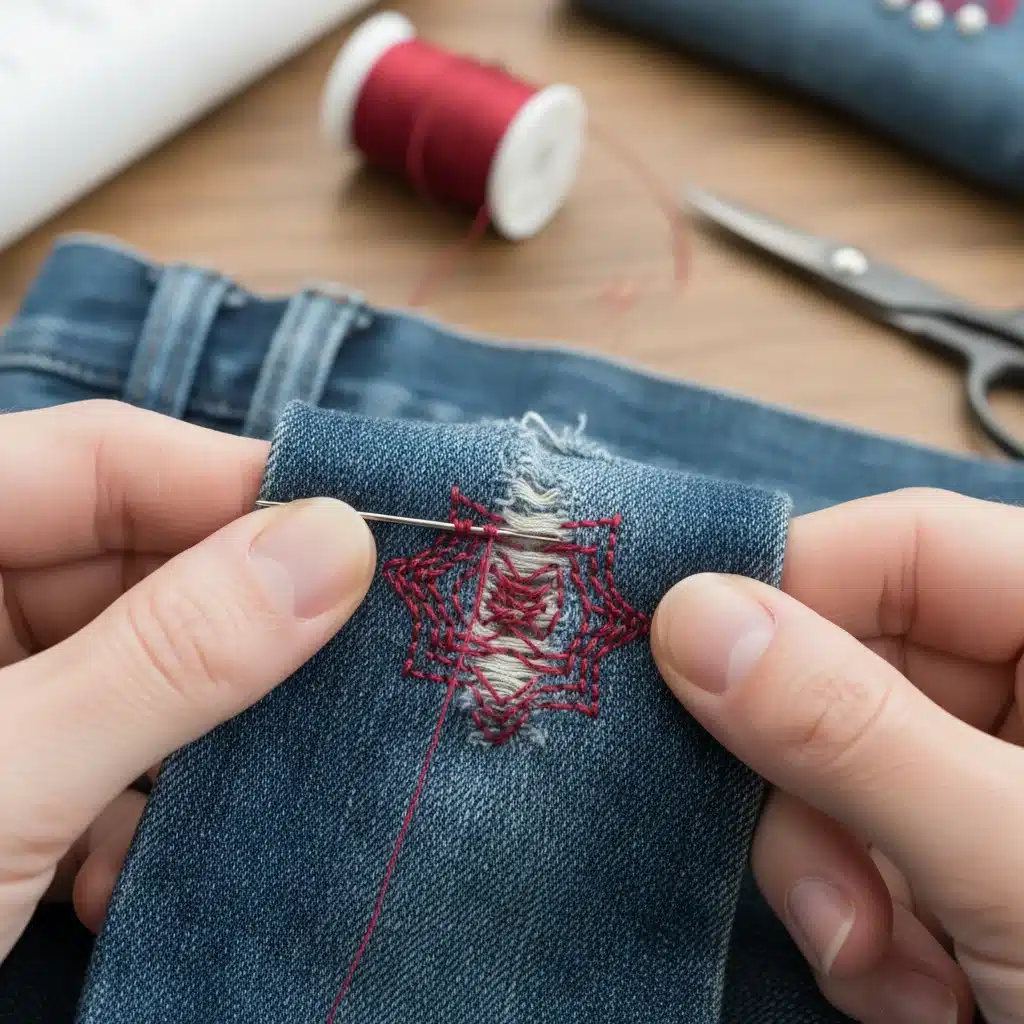
One of the most impactful ways to extend clothing life is to address minor damages promptly. A small tear, a loose button, or a missing hem can quickly escalate into a garment being deemed unwearable if left unattended. Embracing the art of repair is both an eco-conscious choice and a skill that empowers you to keep your favorite pieces in circulation.
Learn Basic Sewing Skills
You don’t need to be a master tailor to fix common clothing issues. Learning a few basic sewing techniques – how to sew on a button, mend a simple seam, or hem a garment – can save you money and keep your clothes looking their best. There are countless online tutorials and resources available to guide you. Investing a little time in these skills will significantly extend clothing life and reduce textile waste.
Address Stains Immediately
The longer a stain sits, the harder it is to remove. Treat stains as soon as they occur, following specific guidelines for the type of stain and fabric. Keep a stain removal kit handy with essential items like a good stain remover, white vinegar, baking soda, and a clean cloth. Prompt and appropriate stain treatment is vital to prevent permanent damage and to extend clothing life.
Replace Worn-Out Components
Sometimes, it’s not the fabric itself that’s worn out, but a component like a zipper, elastic band, or button. Replacing these small parts can give a garment a whole new lease on life. Many dry cleaners and tailor shops offer these services if you’re not comfortable doing it yourself. Don’t discard an otherwise perfectly good item just because of a faulty zipper; fixing it will extend clothing life considerably.
De-Pill Regularly
Pilling, those small balls of fiber that form on the surface of fabric, can make clothes look old and worn. Use a fabric shaver or a de-piller to gently remove pills, restoring the garment’s smooth appearance. Regular de-pilling can dramatically improve the look of sweaters and other knitwear, helping to extend clothing life and maintain their aesthetic appeal.
5. Embrace Mindful Consumption: Buy Less, Choose Well, Make it Last
Ultimately, the journey to extend clothing life begins before a garment even enters your wardrobe. Mindful consumption is about making conscious choices that prioritize quality, durability, and versatility over quantity and fleeting trends. It’s a holistic approach that underpins all other clothing care efforts.
Invest in Quality Over Quantity
While it might seem counterintuitive to spend more on individual items, quality garments are often made from better materials and with superior craftsmanship. They are designed to withstand more washes and wears, offering better value in the long run. When you choose well-made pieces, you’re inherently choosing to extend clothing life simply by supporting durable production.
Understand Fabric Composition
Educate yourself about different fabric types. Natural fibers like organic cotton, linen, wool, and silk are often more durable and breathable than many synthetics, though synthetics like recycled polyester are improving. Understanding how different fabrics behave and their typical lifespan can guide your purchasing decisions towards items that are built to last and easier to care for, thus helping to extend clothing life.
Consider Versatility and Timelessness
Building a versatile wardrobe with timeless pieces reduces the need for constant new purchases. Focus on classic styles and neutral colors that can be mixed and matched, and that won’t go out of fashion quickly. A capsule wardrobe approach, where every item serves multiple purposes, is an excellent strategy to prevent impulse buys and ensure your clothes remain relevant and usable for longer, effectively helping to extend clothing life.

Shop Secondhand and Upcycle
Embracing secondhand shopping is a fantastic way to acquire unique, often high-quality items without contributing to new production. Furthermore, upcycling or altering existing garments can give them a fresh look or a new purpose, preventing them from ending up in a landfill. A garment that might otherwise be discarded can be transformed into something new and exciting, demonstrating a powerful way to extend clothing life.
The Ripple Effect of Extending Clothing Life
The decision to extend clothing life goes far beyond personal savings and a well-maintained wardrobe. It has a significant positive impact on the environment and promotes a more ethical fashion industry. By keeping clothes in use for longer, we:
- Reduce Waste: Fewer clothes sent to landfills means less pollution and a slower accumulation of textile waste.
- Conserve Resources: Producing new garments requires vast amounts of water, energy, and raw materials. Extending the life of existing clothes lessens this demand.
- Lower Carbon Emissions: From manufacturing to transportation, every stage of a garment’s lifecycle contributes to carbon emissions. A longer lifespan means fewer new items needing to be produced.
- Promote Ethical Labor: A reduced demand for fast fashion can alleviate some of the pressure on garment workers often subjected to poor working conditions and unfair wages.
- Foster Creativity and Personal Style: Caring for your clothes encourages a deeper connection with your wardrobe, fostering creativity in styling and a unique personal aesthetic that isn’t dictated by fleeting trends.
Conclusion: A Sustainable Wardrobe is Within Reach
The journey to extend clothing life is a rewarding one, offering benefits for your wallet, your style, and the planet. By integrating these five essential tips into your routine – mastering washing, delicate drying, smart storage, timely repairs, and mindful consumption – you transform from a passive consumer into an active steward of your wardrobe. Each conscious choice, each gentle wash, each thoughtful repair, contributes to a more sustainable and resilient fashion ecosystem.
Start small, perhaps by committing to air-dry one more item a week, or by mending that loose button you’ve been ignoring. Over time, these small habits will compound, leading to a wardrobe that not only looks better but also tells a story of care, intention, and sustainability. Embrace the power you have to make a difference, one garment at a time, and truly extend clothing life for a brighter, greener future.