Reduce Employee Turnover 20% in 12 Months: HR Guide 2026

Anúncios
In the dynamic landscape of 2026, employee turnover remains a critical challenge for organizations across all sectors. The cost of losing valuable talent extends far beyond direct recruitment expenses; it impacts productivity, morale, institutional knowledge, and ultimately, a company’s bottom line. For forward-thinking Human Resources departments and business leaders, the imperative to significantly reduce employee turnover is clearer than ever. This comprehensive guide outlines practical, data-driven strategies designed to help your organization achieve a remarkable 20% reduction in employee turnover within the next 12 months. We’ll delve into the root causes of attrition and equip you with actionable insights to foster a more engaged, satisfied, and loyal workforce.
Anúncios
Understanding the True Cost of Employee Turnover
Before we embark on strategies to reduce employee turnover, it’s crucial to grasp its full financial and operational impact. Often, organizations underestimate the multifaceted costs involved. These can be categorized into direct and indirect costs:
- Direct Costs: These include recruitment advertising, agency fees, HR staff time spent on hiring, interviewing, background checks, onboarding, training new hires, and severance packages.
- Indirect Costs: These are often harder to quantify but can be far more significant. They encompass lost productivity during the hiring process and the new employee’s ramp-up period, reduced team morale, increased workload for remaining staff, loss of institutional knowledge, decreased customer satisfaction due to service disruptions, and potential damage to the employer brand. Studies suggest that the cost of replacing an employee can range from 50% to 200% of their annual salary, depending on the role and industry. For high-level positions, this figure can be even higher. Therefore, investing in strategies to effectively reduce employee turnover is not merely a ‘nice-to-have’ but a strategic business imperative.
Phase 1: Diagnosis and Data-Driven Insights (Months 1-3)
The first step in any effective retention strategy is to understand why employees are leaving. Without this foundational knowledge, any efforts to reduce employee turnover will be akin to shooting in the dark.
Anúncios
1. Conduct Exit Interviews with Precision
Exit interviews are invaluable, but only if conducted effectively. Move beyond generic questions. Train HR staff or use external consultants to conduct structured, confidential interviews. Focus on understanding:
- Specific reasons for departure (compensation, management, work-life balance, lack of growth, culture, etc.).
- What the company could have done differently to retain them.
- Their perceptions of company culture and leadership.
- Perceived strengths and weaknesses of their role and team.
Analyze these interviews for recurring themes and patterns. This qualitative data is crucial to inform your efforts to reduce employee turnover.
2. Analyze Internal Turnover Data
Delve into your HR analytics. Look at:
- Turnover rates by department, manager, tenure, and demographic: Are certain departments experiencing higher attrition? Is there a particular manager with a high turnover rate among their direct reports? Are employees leaving within their first year?
- Performance reviews vs. turnover: Are high performers leaving? If so, why?
- Compensation and benefits data: Benchmark your offerings against industry standards. Are you competitive?
- Employee engagement survey results: Correlate engagement scores with turnover data. Low engagement often precedes departure.
This quantitative analysis provides a clear picture of where your retention efforts need to be focused to effectively reduce employee turnover.
3. Implement ‘Stay Interviews’
Don’t wait for employees to leave to understand their motivations. Proactive ‘stay interviews’ with current high-performing and high-potential employees can identify potential flight risks and uncover what keeps them engaged. Ask questions like:
- What do you like most about working here?
- What would make you consider leaving?
- What support do you need to be more successful or satisfied?
- How can we better support your career growth?
The insights from stay interviews are goldmines for proactive strategies to reduce employee turnover.
Phase 2: Strategic Interventions and Implementation (Months 4-9)
Once you have a clear understanding of the drivers behind your turnover, it’s time to implement targeted strategies.
1. Optimize Onboarding and First-Year Experience
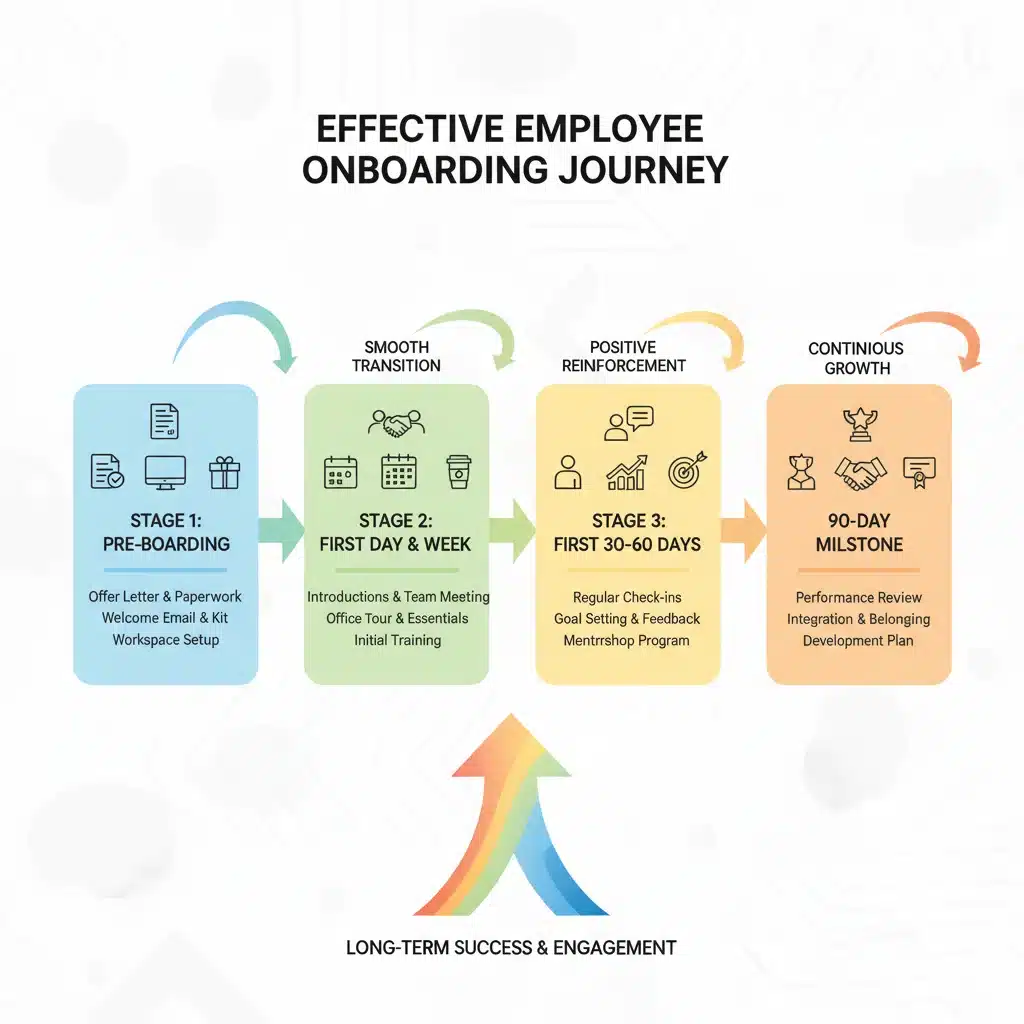
Many employees decide to leave within their first year. A robust onboarding program extends beyond paperwork. It should:
- Integrate social and cultural aspects: Assign mentors or buddies. Organize team-building activities.
- Provide clear expectations and early wins: Ensure new hires understand their role, responsibilities, and how their work contributes to the company’s goals. Celebrate small achievements.
- Offer continuous feedback and support: Regular check-ins with managers and HR are crucial. Don’t wait for the annual review.
- Invest in skill development: Provide access to training and resources from day one.
A positive first impression and supportive initial experience are vital to reduce employee turnover significantly.
2. Enhance Managerial Effectiveness and Leadership Development
People often leave managers, not companies. Invest heavily in leadership training focusing on:
- Effective communication: Active listening, clear instruction, constructive feedback.
- Employee recognition and appreciation: Training managers to regularly acknowledge and reward good performance.
- Coaching and development: Equipping managers to help their team members grow professionally.
- Empathy and emotional intelligence: Understanding and responding to employee needs and concerns.
- Workload management and delegation: Preventing burnout among team members.
Strong, supportive leadership is a cornerstone of any successful effort to reduce employee turnover.
3. Foster a Culture of Growth and Development
Employees want to see a future with your organization. Implement:
- Clear career paths: Map out potential progression routes within the company.
- Learning and development opportunities: Offer workshops, online courses, certifications, and cross-functional project opportunities.
- Mentorship and sponsorship programs: Connect employees with experienced leaders for guidance and advocacy.
- Internal mobility: Encourage employees to explore different roles or departments within the company.
When employees feel their skills are growing and their careers are advancing, they are far less likely to seek opportunities elsewhere, thus helping to reduce employee turnover.
4. Review and Optimize Compensation and Benefits
While not always the primary reason for leaving, uncompetitive compensation and benefits can undoubtedly be a tipping point. Regularly benchmark your total rewards package against industry standards and local market rates. Consider:
- Competitive salaries: Ensure base pay is at or above market average for similar roles.
- Performance-based incentives: Reward high performance to motivate and retain top talent.
- Comprehensive benefits: Health insurance, retirement plans, paid time off, and other perks are crucial.
- Flexible work arrangements: Remote work options, compressed workweeks, and flexible hours are increasingly valued.
A transparent and fair compensation structure is foundational to any strategy to reduce employee turnover.
5. Enhance Employee Recognition and Appreciation
Feeling valued is a powerful retention tool. Implement a multi-faceted recognition program:
- Formal recognition: Awards, bonuses, promotions for significant achievements.
- Informal recognition: Public shout-outs, thank-you notes, team celebrations for everyday efforts.
- Peer-to-peer recognition: Empower employees to appreciate each other’s contributions.
Consistent and genuine appreciation significantly boosts morale and loyalty, making employees less likely to leave, thereby helping to reduce employee turnover.
Phase 3: Monitoring, Adjustment, and Sustained Success (Months 10-12 and Beyond)
Reducing employee turnover is not a one-time project; it’s an ongoing commitment.
1. Continuous Feedback Loops and Engagement Surveys
Regularly solicit feedback from employees through:
- Pulse surveys: Short, frequent surveys to gauge sentiment on specific topics.
- Anonymous suggestion boxes: Digital or physical, to encourage candid feedback.
- Town halls and open forums: Opportunities for direct dialogue with leadership.
Crucially, act on the feedback. Communicate what you’ve learned and what actions you’re taking. This demonstrates that employee voices are heard and valued, which is critical to efforts to reduce employee turnover.
2. Data-Driven Adjustments
Continue to monitor your turnover data, engagement scores, and the effectiveness of your implemented strategies. If a particular strategy isn’t yielding the desired results, be prepared to pivot. For example:
- If exit interviews consistently point to work-life balance issues, explore further flexible work options or workload redistribution.
- If a specific department continues to have high turnover, delve deeper into its unique challenges and leadership dynamics.
Agility and responsiveness are key to sustaining your efforts to reduce employee turnover.
3. Championing a Positive Workplace Culture
Culture is the bedrock of retention. Cultivate an environment that is:
- Inclusive and diverse: Where everyone feels a sense of belonging and psychological safety.
- Transparent: Open communication about company goals, challenges, and successes.
- Supportive: Providing resources for mental health, well-being, and personal development.
- Purpose-driven: Connect employees’ work to a larger mission or vision.
A strong, positive culture naturally reduces the desire for employees to look elsewhere, directly contributing to your goal to reduce employee turnover.

Measuring Success: Your 20% Reduction Goal
To track your progress towards a 20% reduction in employee turnover, you need clear metrics. Calculate your baseline turnover rate at the beginning of your 12-month period. Then, continuously monitor it against this baseline. For example, if your annual turnover rate was 30% at the start, your goal is to bring it down to 24% or lower. Beyond the overall rate, track:
- Voluntary vs. Involuntary Turnover: Focus your retention efforts primarily on reducing voluntary departures.
- Turnover by Performance Level: Prioritize retaining high performers.
- Cost Savings: Quantify the financial benefits of reduced turnover in terms of avoided recruitment, onboarding, and productivity loss costs.
Regular reporting to leadership and transparency with employees about progress can reinforce the importance of these initiatives and celebrate successes in your journey to reduce employee turnover.
Conclusion: A Strategic Imperative for 2026 and Beyond
Achieving a 20% reduction in employee turnover within 12 months is an ambitious yet entirely attainable goal for organizations committed to strategic Human Resources practices. It requires a holistic approach that begins with deep data analysis, followed by targeted interventions in onboarding, leadership development, career growth, compensation, and recognition. Crucially, it demands a continuous cycle of feedback, adjustment, and a steadfast commitment to fostering a positive and supportive workplace culture.
By prioritizing employee satisfaction and engagement, not only will you significantly reduce employee turnover, but you will also cultivate a more productive, innovative, and resilient workforce ready to meet the challenges and seize the opportunities of 2026 and the years to come. The investment in your people is the most impactful investment an organization can make for sustainable success.
Key Takeaways for HR Leaders:
- Data is Your Foundation: Use exit interviews, stay interviews, and HR analytics to pinpoint specific turnover drivers.
- Holistic Approach: Address multiple facets of the employee experience, from onboarding to career development.
- Leadership Matters: Invest in training managers to be effective communicators, coaches, and motivators.
- Culture is King: Foster an inclusive, supportive, and growth-oriented environment.
- Continuous Improvement: Retention is an ongoing process requiring regular monitoring and adaptation.
Embark on this journey with conviction, and watch your organization transform as you successfully reduce employee turnover and build a thriving, loyal workforce.