Digital Marketing Analytics: 2026 ROI & 10 Key Metrics Guide

Anúncios
Implementing Digital Marketing Analytics for 2026 Growth: A Practical Guide to Measuring ROI with 10 Key Metrics
In the rapidly evolving digital landscape, the phrase "what gets measured gets managed" has never been more relevant. As we look towards 2026, the ability to effectively implement digital marketing analytics is not just an advantage; it’s a fundamental requirement for sustainable business growth. The sheer volume of data available today can be overwhelming, but when harnessed correctly, it provides unparalleled insights into customer behavior, campaign performance, and ultimately, your return on investment (ROI).
Anúncios
This comprehensive guide will walk you through the essential steps to not only implement robust digital marketing analytics but also to leverage them for significant growth by 2026. We will delve into how to measure ROI effectively and introduce 10 key metrics that every marketer should be tracking. By the end of this article, you will have a clear roadmap to transform your marketing efforts from guesswork into a data-driven powerhouse.
The digital marketing landscape is a dynamic ecosystem, constantly reshaped by technological advancements, algorithm updates, and shifting consumer behaviors. To stay ahead, businesses must adopt a proactive approach, using data to inform every decision. This means moving beyond vanity metrics and focusing on those that directly impact your bottom line. Our goal here is to demystify digital marketing analytics, making it accessible and actionable for businesses of all sizes.
Anúncios
The Imperative of Digital Marketing Analytics for 2026
Why is 2026 a critical juncture for digital marketing analytics? The answer lies in the accelerating pace of digital transformation. Artificial intelligence, machine learning, and advanced automation are becoming more integrated into marketing operations. Consumers expect personalized experiences, and regulatory environments are continually evolving. Without a strong foundation in analytics, businesses risk falling behind, wasting resources on ineffective strategies, and missing crucial opportunities for growth.
Effective digital marketing analytics allows you to:
- Understand Your Audience Deeply: Gain insights into demographics, psychographics, online behavior, and preferences.
- Optimize Campaign Performance: Identify what’s working and what’s not, enabling real-time adjustments for better results.
- Allocate Resources Wisely: Justify marketing spend by demonstrating tangible ROI and allocating budgets to the most effective channels.
- Predict Future Trends: Use historical data to forecast outcomes and prepare for future market shifts.
- Enhance Customer Experience: Personalize interactions and tailor content to meet individual customer needs, fostering loyalty.
- Improve Decision-Making: Move from intuition-based decisions to data-backed strategies, reducing risk and increasing success rates.
The journey to mastering digital marketing analytics begins with a clear understanding of your business objectives and how marketing contributes to them. Once these are defined, you can select the right metrics and tools to track your progress.
Defining ROI in Digital Marketing
Before we dive into specific metrics, it’s crucial to understand what ROI means in the context of digital marketing. Traditionally, ROI is calculated as (Net Profit / Cost of Investment) x 100. However, in marketing, "profit" can sometimes be indirect or long-term. Therefore, marketing ROI often needs to consider various forms of value, including:
- Direct Revenue: Sales generated directly from marketing campaigns.
- Lead Generation: The value of new leads acquired.
- Customer Lifetime Value (CLTV): The total revenue a customer is expected to generate over their relationship with your business.
- Brand Equity: The intangible value of your brand, often measured through brand awareness, sentiment, and customer loyalty.
- Cost Savings: Efficiencies gained through optimized marketing spend.
Measuring ROI in digital marketing requires attributing specific outcomes to specific marketing activities. This can be complex, especially with multi-touchpoint customer journeys. However, advanced analytics tools and attribution models are making this process more accurate than ever before. The key is to establish clear objectives for each campaign and align your metrics accordingly.
10 Key Digital Marketing Analytics Metrics for Measuring ROI
Here are 10 essential metrics that form the backbone of a robust digital marketing analytics strategy, crucial for measuring ROI and driving growth towards 2026:
1. Conversion Rate (CR)
What it is: The percentage of visitors to your website or landing page who complete a desired action (e.g., making a purchase, filling out a form, downloading an ebook).
Why it’s important: CR directly measures the effectiveness of your marketing efforts in turning interest into action. A higher conversion rate means your marketing is resonating with your audience and your calls to action are compelling. It’s a fundamental metric for assessing the efficiency of your campaigns and the user experience of your digital assets.
How it impacts ROI: Higher conversion rates mean more leads or sales from the same amount of traffic, directly increasing revenue without necessarily increasing ad spend. Optimizing CR is often one of the most cost-effective ways to boost ROI.
2. Customer Acquisition Cost (CAC)
What it is: The total cost of sales and marketing efforts required to acquire a new customer.
Why it’s important: CAC helps you understand the financial investment required to grow your customer base. It’s vital for budgeting and ensuring your marketing spend is sustainable.
How it impacts ROI: A lower CAC indicates more efficient marketing spend. Compare CAC with Customer Lifetime Value (CLTV) to ensure you’re acquiring profitable customers. If CAC is too high, your marketing efforts may not be yielding a positive ROI.
3. Customer Lifetime Value (CLTV)
What it is: The total revenue a business can reasonably expect from a single customer account over the duration of their relationship.
Why it’s important: CLTV helps you understand the long-term value of your customers and informs strategies for customer retention and upselling. It’s a critical metric for sustainable growth.
How it impacts ROI: A high CLTV relative to CAC indicates a healthy business model and strong ROI. It justifies higher initial marketing investments if customers remain loyal and spend more over time. Focus on increasing CLTV through excellent customer service and personalized experiences.
4. Return on Ad Spend (ROAS)
What it is: The revenue generated for every dollar spent on advertising.
Why it’s important: ROAS is a direct measure of the effectiveness of your advertising campaigns. It helps you identify which campaigns are profitable and which need optimization.
How it impacts ROI: While similar to ROI, ROAS specifically focuses on ad spend. A high ROAS means your advertising is generating significant revenue, directly contributing to a positive overall marketing ROI. It’s crucial for optimizing ad budget allocation.
5. Website Traffic (Organic, Paid, Referral, Direct)
What it is: The total number of visitors to your website, broken down by source.
Why it’s important: Traffic is the lifeblood of most digital businesses. Understanding its sources helps you identify which channels are most effective in driving awareness and potential customers to your site. Analyzing traffic quality (bounce rate, time on page) is also essential.
How it impacts ROI: While not a direct ROI metric, increased relevant traffic from cost-effective channels (like organic search) can significantly improve the potential for conversions and therefore ROI. It helps you optimize your channel mix and identify growth opportunities.
6. Engagement Rate (Social Media & Content)
What it is: The level of interaction your audience has with your content or social media posts (likes, shares, comments, clicks, time on page).
Why it’s important: Engagement indicates how well your content resonates with your audience. High engagement often precedes conversions and builds brand loyalty.
How it impacts ROI: Engaged audiences are more likely to convert, become brand advocates, and have a higher CLTV. While indirect, strong engagement contributes to a healthier sales funnel and reduces future marketing costs, positively impacting ROI.
7. Lead-to-Customer Rate
What it is: The percentage of leads that convert into paying customers.
Why it’s important: This metric bridges the gap between marketing and sales, showing how effective your lead nurturing and sales processes are. It helps identify bottlenecks in your sales funnel.
How it impacts ROI: A higher lead-to-customer rate means your marketing is attracting high-quality leads, and your sales team is effective in closing deals. This directly translates to more revenue from your marketing efforts, boosting ROI.
8. Marketing Qualified Leads (MQLs) & Sales Qualified Leads (SQLs)
What it is: MQLs are leads deemed likely to become customers based on engagement with marketing content. SQLs are MQLs that have been vetted and accepted by the sales team as ready for direct sales follow-up.
Why it’s important: These metrics help align marketing and sales efforts, ensuring that marketing is generating valuable leads and sales is focusing on the most promising prospects. 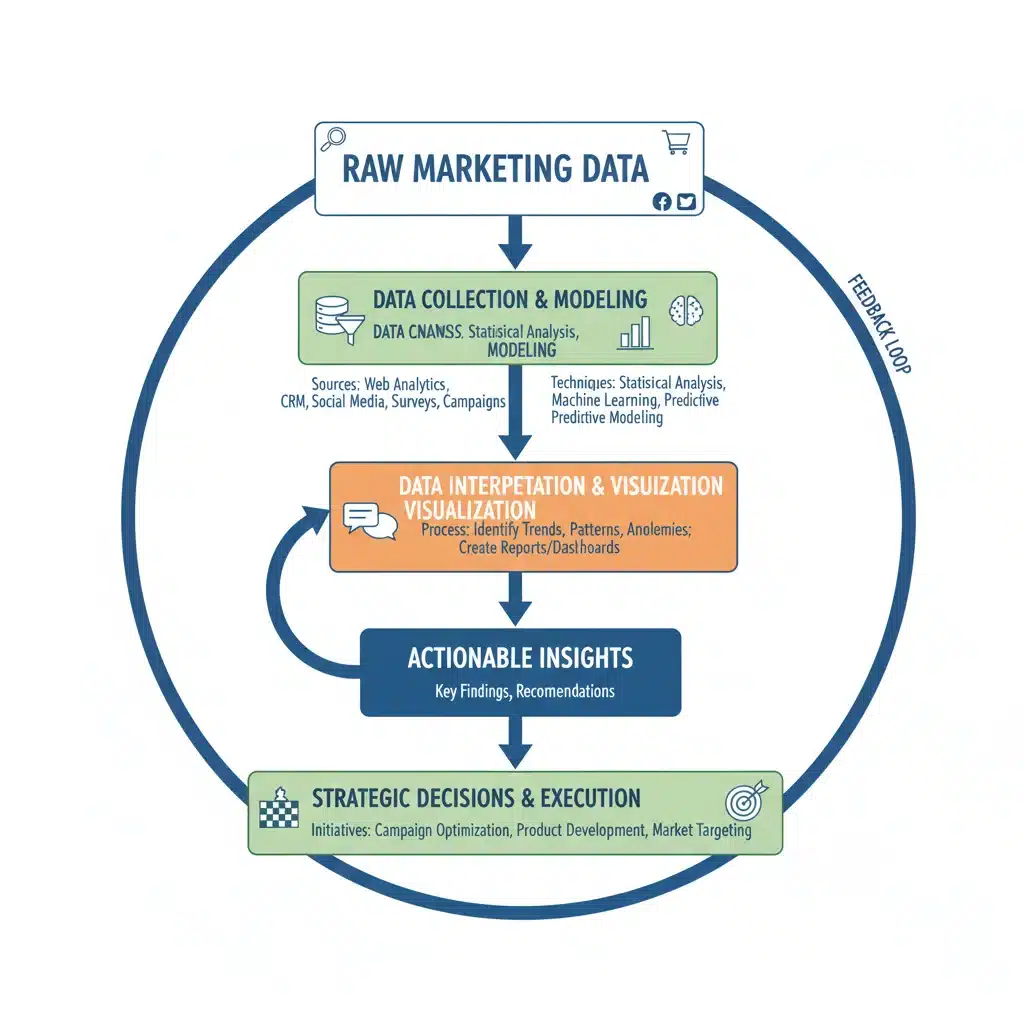
How it impacts ROI: By focusing on generating and nurturing high-quality MQLs and SQLs, marketing reduces wasted sales efforts and increases conversion efficiency, directly contributing to a better marketing ROI.
9. Brand Mentions & Sentiment
What it is: The number of times your brand is mentioned online (social media, news, blogs) and the overall tone (positive, negative, neutral) of these mentions.
Why it’s important: These metrics reflect your brand’s visibility and reputation. Positive sentiment can drive organic growth and customer trust.
How it impacts ROI: While indirect, strong brand perception and positive sentiment can lead to increased brand loyalty, word-of-mouth referrals, and a reduced need for heavy advertising, all of which positively impact long-term ROI. It’s an investment in future earnings.
10. Cost Per Click (CPC) & Cost Per Mille (CPM)
What it is: CPC is the cost you pay for each click on your ad. CPM (Cost Per Thousand) is the cost you pay for one thousand impressions (views) of your ad.
Why it’s important: These are fundamental metrics for managing paid advertising budgets. They help you understand the cost-efficiency of your ad campaigns across different platforms.
How it impacts ROI: Optimizing CPC and CPM allows you to get more clicks or impressions for the same budget, potentially leading to more conversions and a higher ROAS, thus improving your overall digital marketing ROI. Balancing these costs with conversion quality is key.
Building Your Digital Marketing Analytics Framework for 2026
Implementing these metrics effectively requires a structured approach. Here’s a framework to guide your efforts:
Step 1: Define Clear Objectives and KPIs
Before you collect any data, understand what you want to achieve. Are you aiming for increased sales, lead generation, brand awareness, or customer retention? Each objective will have specific Key Performance Indicators (KPIs) that align with the 10 metrics discussed. For example, if your objective is to increase sales, then Conversion Rate, CAC, CLTV, and ROAS will be paramount.
Step 2: Choose the Right Tools
The market is flooded with analytics tools. Your choice will depend on your budget, technical expertise, and specific needs. Essential tools include:
- Google Analytics 4 (GA4): The industry standard for website and app analytics, offering powerful insights into user behavior.
- Google Search Console: Essential for understanding organic search performance and identifying technical SEO issues.
- Social Media Analytics: Built-in analytics from platforms like Facebook, Instagram, LinkedIn, and Twitter provide engagement and audience insights.
- CRM Systems (e.g., Salesforce, HubSpot): For tracking leads, customer interactions, and CLTV.
- Advertising Platforms (e.g., Google Ads, Meta Ads Manager): For detailed performance metrics of your paid campaigns.
- Data Visualization Tools (e.g., Tableau, Power BI, Google Looker Studio): To create insightful dashboards and reports.
- Heatmapping and Session Recording Tools (e.g., Hotjar, Crazy Egg): For understanding user behavior on your website.
Integrate these tools wherever possible to get a holistic view of your data. A unified data ecosystem is crucial for accurate digital marketing analytics.
Step 3: Implement Tracking and Tagging
Accurate data collection is the foundation of effective analytics. This involves:
- Setting up Google Analytics 4: Ensure proper installation and configuration, including event tracking for key actions.
- Implementing Conversion Tracking: Configure conversion goals in GA4 and your advertising platforms to track desired actions.
- Using UTM Parameters: Tag your marketing URLs with UTM parameters to accurately track traffic sources, campaigns, and content.
- Pixel Implementation: Install tracking pixels (e.g., Meta Pixel, LinkedIn Insight Tag) on your website for retargeting and detailed audience insights.
Regularly audit your tracking setup to ensure data accuracy and consistency. Garbage in, garbage out applies strongly to digital marketing analytics.
Step 4: Collect, Clean, and Organize Data
Once tracking is in place, data will start flowing. It’s critical to:
- Collect Data Regularly: Automate data collection processes where possible.
- Clean Data: Remove duplicates, irrelevant entries, and inconsistencies to ensure data quality.
- Organize Data: Structure your data logically for easier analysis and reporting. This might involve using a data warehouse or a robust CRM.
Step 5: Analyze and Interpret Insights
This is where the magic happens. Don’t just look at numbers; understand what they mean.  Look for trends, anomalies, and correlations. Ask questions like:
- "Why did conversion rates drop last month?"
- "Which ad creative generated the highest ROAS?"
- "Are our organic leads more valuable than paid leads?"
- "What content leads to the highest engagement?"
Use segmentation to analyze different audience groups or campaign types. For instance, how do mobile users convert compared to desktop users? How does a specific demographic respond to a particular campaign?
Step 6: Develop Actionable Strategies
Insights are only valuable if they lead to action. Based on your analysis, formulate clear, actionable strategies. For example:
- If CAC is too high for a specific channel, reallocate budget or optimize targeting.
- If engagement on a social platform is low, experiment with different content formats.
- If your lead-to-customer rate is low, review your lead nurturing sequence or sales process.
Continuously test and refine your strategies. A/B testing is a powerful tool for optimizing various elements of your marketing campaigns.
Step 7: Report and Communicate Results
Regularly report your findings to stakeholders, translating complex data into clear, concise, and understandable insights. Focus on the ROI and impact on business objectives. Use dashboards to visualize key metrics and trends. Effective communication ensures that everyone is aligned and understands the value of your marketing efforts.
Step 8: Iterate and Optimize
Digital marketing analytics is an ongoing process, not a one-time setup. The market changes, consumer behavior shifts, and your campaigns evolve. Continuously monitor your metrics, refine your strategies, and optimize your campaigns based on new data. This iterative process is key to sustained growth and maximizing your digital marketing ROI in the long term.
Challenges and Best Practices in Digital Marketing Analytics
While the benefits are clear, implementing digital marketing analytics comes with its own set of challenges:
- Data Silos: Data scattered across multiple platforms without integration makes a holistic view difficult.
- Data Overload: Too much data can lead to analysis paralysis. Focus on relevant KPIs.
- Attribution Complexity: Assigning credit to specific marketing touchpoints in a multi-channel journey is challenging.
- Privacy Regulations: Navigating GDPR, CCPA, and cookie consent requires careful planning to ensure compliance while collecting data.
- Lack of Skilled Personnel: Finding and retaining talent with strong analytical skills can be difficult.
To overcome these challenges and ensure success, consider these best practices:
- Start Small, Scale Up: Don’t try to track everything at once. Begin with a few key metrics aligned with your core objectives and expand as you gain expertise.
- Invest in Training: Empower your team with the skills to use analytics tools and interpret data effectively.
- Automate Where Possible: Use marketing automation and analytics platforms to streamline data collection and reporting.
- Focus on Actionable Insights: Always ask, "What can we do with this data?" if it doesn’t lead to action, it might not be a vital metric to track.
- Embrace Experimentation: Use analytics to test hypotheses and learn what works best for your audience.
- Regularly Review and Adapt: The digital landscape is always changing. Your analytics strategy should evolve with it.
The Future of Digital Marketing Analytics: 2026 and Beyond
As we approach 2026, digital marketing analytics will continue to evolve. Expect greater emphasis on:
- Predictive Analytics: Leveraging AI and machine learning to forecast future trends, customer behavior, and campaign performance with higher accuracy.
- Real-time Analytics: The ability to make immediate adjustments to campaigns based on live data streams.
- Cross-Channel Attribution: More sophisticated models that accurately attribute conversions across complex customer journeys involving multiple devices and platforms.
- Privacy-Centric Measurement: New methods of data collection and analysis that respect user privacy while still providing valuable insights.
- Augmented Analytics: AI-powered insights that automatically identify patterns and anomalies in data, reducing the manual effort required for analysis.
Businesses that embrace these advancements and continuously refine their digital marketing analytics capabilities will be best positioned for sustained growth and competitive advantage in the years to come.
Conclusion
Implementing effective digital marketing analytics is no longer optional; it’s a strategic imperative for any business aiming for significant growth by 2026. By focusing on the right metrics, understanding how to measure ROI, and adopting a structured approach to data collection, analysis, and action, you can transform your marketing efforts into a precise, powerful engine for success.
The 10 key metrics discussed—Conversion Rate, CAC, CLTV, ROAS, Website Traffic, Engagement Rate, Lead-to-Customer Rate, MQLs & SQLs, Brand Mentions & Sentiment, and CPC & CPM—provide a robust foundation for understanding your performance and making informed decisions. Equip your team with the right tools, foster a data-driven culture, and commit to continuous optimization. The future of your digital marketing success, and indeed your business growth, hinges on your ability to master digital marketing analytics.
Start today by reviewing your current analytics setup, defining your objectives, and identifying which of these key metrics are most crucial for your immediate and long-term goals. The path to 2026 growth is paved with data-driven insights.